
If you need a car accident attorney Oklahoma City drivers rely on after a crash, Warhawk Legal is ready to fight for the full compensation you deserve. When you have injuries from a car accident, you face a long, complex uphill legal struggle to recover compensation. An experienced Oklahoma City accident attorney understands the law and the necessary processes. They can be a guide and advocate for you to help you climb that hill with confidence.
Our successful Oklahoma City personal injury lawyer at Warhawk Legal has years of experience helping car accident victims secure the fair and full compensation they deserve for their car crash injuries. When you are not sure of how much compensation you deserve or the full cost of your injuries, we can provide you with the guidance you need in your OKC car accident lawsuit.
Let us answer your car accident questions and advise you on how to fight the insurance company. The Oklahoma Insurance Department provides resources for understanding your insurance rights and options. Schedule your initial consultation at our Oklahoma City law office by calling (405) 397-1717 or by emailing us.
Resources On This Page
- Why Choose an Oklahoma City Car Accident Lawyer at Warhawk Legal?
- Meet Founding Attorney Joe Carson
- How To Get Compensation After An Accident in Oklahoma City
- Liability in Oklahoma City Car Accidents
- What To Do After A Car Accident In Oklahoma City
- Compensation In An Oklahoma City Car Accident Claim
- Oklahoma City Car Accident Injuries
- Common Types of Car Accidents in Oklahoma City
- How Long Do I Have to File a Claim In Oklahoma City?
- When Is The Most Dangerous Time To Drive in Oklahoma City?
- Oklahoma City Roads and Areas Where We Handle Car Accident Cases
- How Oklahoma Auto Insurance Works After a Crash
- Whose Insurance Covers This? Borrowed Cars, Passengers and Work Vehicles
- Fatal Crashes and Wrongful Death Claims
- Working With an Oklahoma City Car Accident Attorney
- What to Bring to Your First Consultation
- Warhawk Legal Car Accident Results
- Oklahoma City Car Accident FAQ’s
- Contact
Why Choose an Oklahoma City Car Accident Lawyer at Warhawk Legal?
If you or a loved one has been injured in a car accident in Oklahoma City and you are seeking compensation for your injuries and losses, choosing the right legal representation can make all the difference. At Warhawk Legal, our team stands out for several compelling reasons:
-
01
Contingency fee billing - no fee unless we win
Warhawk Legal handles car accident cases on a contingency fee basis, meaning you pay nothing upfront and owe no attorney fees unless the firm recovers money for you. This arrangement matters because a serious crash often leaves victims out of work and facing mounting medical bills at the exact moment they would otherwise need cash to hire a lawyer by the hour. Contingency billing removes that barrier. The firm's fee comes out of the settlement or verdict, so your ability to pursue a claim does not depend on your bank account.
-
02
Free initial consultation, available 24/7
You can speak with the firm about your crash at no cost and at any hour, not just during standard business hours. Car accidents do not happen on a schedule, and insurance adjusters sometimes contact injured people within days, or even hours, looking for a recorded statement before the victim has had a chance to talk to an attorney. A free, around-the-clock consultation gives you a way to ask questions and understand your options before you say anything to an insurance company that could affect your claim.
-
03
Familiarity with Oklahoma County District Court
Most car accident lawsuits arising from crashes in Oklahoma City are filed in Oklahoma County District Court, and the court's local rules, scheduling practices, and filing requirements differ in practical ways from courts in neighboring counties. Knowing how a particular court handles pretrial conferences, discovery deadlines, and motion hearings can affect how smoothly a case moves and how it is prepared for trial if a fair settlement does not materialize. Warhawk Legal is based in Oklahoma City, where most of these cases are filed.
-
04
Trial experience, not just settlement experience
Many personal injury firms settle every case and never take a claim before a jury, which can weaken their leverage when an insurer refuses to offer fair value. Warhawk Legal's jury verdicts, including results of $2.3 million and $1.5 million listed on the firm's results page, are the clearest evidence that the firm is prepared to try a case rather than accept whatever the insurance company offers. Insurance adjusters evaluate claims differently when they know the attorney on the other side has a track record of taking cases to trial.
-
05
Direct negotiation with the insurer
Once you hire Warhawk Legal, the firm communicates directly with the at-fault driver's insurance company so you do not have to field calls from adjusters, respond to requests for recorded statements, or interpret settlement offers on your own. Insurance adjusters are trained to minimize payouts, and early offers are often far below what a claim is actually worth once medical treatment, lost income, and long-term effects are accounted for. Having the firm handle that negotiation keeps the conversation focused on the facts of your case and prevents you from saying something, even unintentionally, that the insurer could later use against your claim.
-
06
Personalized case attention
Your case is handled by attorneys and staff who know the details of your crash, your injuries, and your circumstances, rather than being shuffled between people who are unfamiliar with your file each time you call. Car accident claims vary widely depending on the type of collision, the injuries involved, and the insurance coverage at play, so a strategy built around your specific situation tends to produce better-informed decisions than a one-size-fits-all approach. That attention also means you can reach someone who already understands your case when you have a question about medical bills, a settlement offer, or next steps in the claims process.
Meet Founding Attorney Joe Carson
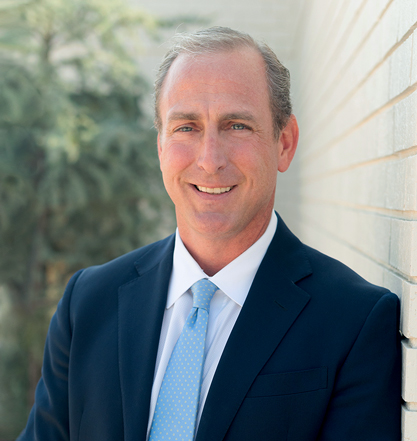 Joe Carson is a seasoned Oklahoma City car accident attorney and Senior Partner at Warhawk Legal, where he leads the firm’s work on serious injury and accident cases. With decades of experience, Joe focuses his practice on car accidents, truck accidents, wrongful death, premises liability, and complex insurance disputes.
Recognized for his dedication and results, Joe holds an AV® Preeminent Rating from Martindale-Hubbell®, a distinction reserved for attorneys with the highest level of professional excellence. He has also been consistently named to the Super Lawyers® list, an honor based on peer nominations and professional achievement.
Crash victims turn to Joe for his relentless advocacy and compassionate approach. Whether your case involves a life-altering crash or a challenging insurance battle, he’s prepared to fight for the compensation you deserve.
Awards & Accolades
Whether you were injured in an Edmond car accident on Broadway Extension or I-35, or you need guidance on uninsured motorist coverage in Oklahoma, our Oklahoma City car accident attorneys are ready to help you pursue the maximum compensation.
Harry “Jake” Kouri IV – Attorney
Jake Kouri focuses on personal injury and automobile accident cases at Warhawk Legal. He earned a Bachelor of Business Administration in Energy Management and Finance from the University of Oklahoma and graduated with honors from Oklahoma City University School of Law.
How To Get Compensation After An Accident in Oklahoma City
Insurance companies have a reputation for offering a quick settlement that is far smaller than the victim deserves. We can help you determine how much your car accident is worth and pursue compensation that covers all of the consequences of your injury, including:
- Medical expenses
- Property damage
- Lost income
- Pain and suffering
For us, it is not enough for the liable party to pay a small portion of your losses and leave the rest to you. We want to know that you are getting the resolution you deserve for your injuries, and we can help you pursue all types of compensation.
After a serious car accident, there is no guarantee that you will receive the compensation you need to cover medical bills and other losses. Let our winning team of accident attorneys help you pursue justice after your accident. Contact our Oklahoma City office by calling (405) 397-1717 or by emailing us to schedule your initial consultation today.

Some of the best people to work with. I’ve worked with a lot of Attorneys but this company by far has the best staff I’ve seen. You won’t go wrong having them on your side.
J.J.
I was in a vehicle accident. The case had some challenges due to confusion on my part, and all the firms I reached out to were not interested in taking the case because it was not easy enough. Warhawk was able to take the case and bring it to a very satisfactory conclusion. Do not hesitate to call them.
J.B.
From the very beginning, he was professional, responsive, and clearly dedicated to getting the best outcome possible. He absolutely delivered and exceeded my expectations!
T.R.
Dealing With the Insurance Company
Once you report a crash, you will likely hear from at least one insurance adjuster within days, sometimes hours. Understanding what that adjuster’s job actually involves, what you are and are not required to tell them, and how Oklahoma law regulates the claims process can help you avoid an avoidable mistake that reduces your recovery.
An insurance adjuster's job is to investigate your claim and resolve it for the lowest amount the company can justify, not to make sure you receive fair compensation. Adjusters are employees or contractors of the insurance company, and their performance is often measured by how efficiently and cheaply they close files. A friendly tone does not change the underlying incentive structure. This is true whether you are dealing with the at-fault driver's insurer or, in a different way, your own.
You have no legal obligation to give the other driver's insurance company a recorded statement. That insurer has no contract with you and no authority to compel your cooperation. Adjusters often request a recorded statement quickly, before you know the full extent of your injuries, because early statements are easier to use against you later if your account of pain, limitations, or timeline shifts as treatment progresses.
Your own insurer is a different situation. Many Oklahoma auto policies include a cooperation clause that requires you to cooperate with your insurer's investigation, which can include providing a statement, particularly on claims involving uninsured or underinsured motorist coverage, collision coverage, or medical payments coverage. Refusing to cooperate with your own carrier under the terms of your policy can create a separate dispute over coverage. Before giving a statement to either insurer, it is worth having an attorney review the request and, when appropriate, sit in on the call or handle it directly.
Certain statements, even innocent ones, get used to minimize claims. Adjusters are trained to listen for specific language and to frame follow-up questions around it.
- Apologies or statements that sound like fault admissions, such as saying you did not see the other car or that you were distracted, even if you were simply being polite.
- Speculating about your injuries before you have been fully evaluated, such as saying you feel fine when adrenaline may be masking pain that appears days later.
- Guessing at details you do not actually remember, such as speeds, distances, or exact timing, rather than saying you are not sure.
- Agreeing to a recorded statement on the spot without first understanding what the call will be used for and who it benefits.
In general, it is safer to keep early conversations brief, stick to basic facts like the date, location, and parties involved, and avoid offering opinions about fault, injury severity, or vehicle damage.
Adjusters frequently ask claimants to sign a medical authorization form so the insurer can obtain records related to the crash. The problem is that many of these forms are written broadly enough to allow the insurer to pull your entire medical history, not just records tied to the accident. That can include unrelated past injuries, mental health treatment, or pre-existing conditions that have nothing to do with the claim.
Insurers sometimes use unrelated history to argue that your current pain or limitations stem from something other than the crash, even when that argument has little medical support. A narrower, claim-specific authorization, or simply providing the relevant records yourself through an attorney, generally protects your privacy while still giving the insurer what it needs to evaluate the claim.
When an insurer makes a fast settlement offer, often within days of the crash, that number is typically based on the information available at that moment: the initial accident report, early medical bills, and a general sense of injury severity before treatment is complete. It does not account for future medical care, time away from work that has not yet happened, or whether an injury turns out to be more serious than it first appeared.
Quick offers are priced to close the file cheaply while uncertainty still favors the insurer. Once you sign a release in exchange for payment, you typically give up the right to seek more money later, even if your condition worsens or new treatment becomes necessary. For that reason, it is generally advisable to wait until you have a clearer medical picture, sometimes after reaching maximum medical improvement, before accepting any settlement.
Oklahoma regulates how insurers must handle claims. Insurers must acknowledge a claim within 30 days (OAC 365:15-3-5) and accept or deny it within 60 days after receiving proof of loss (36 O.S. § 1250.7). If an insurer is sitting on a claim without a reasonable explanation, that delay itself can be worth raising with an attorney, since prolonged inaction is one of the patterns regulators and courts look at when evaluating whether a claim was handled in good faith.
Oklahoma recognizes a legal claim, often referred to as bad faith (Christian v. American Home Assurance Co., 1977 OK 141), when an insurer unreasonably denies, delays, or underpays a valid claim without a legitimate basis for doing so. This applies most directly to your own insurer, since Oklahoma law generally imposes a duty of good faith and fair dealing between an insurer and its own policyholder. Conduct that may support a bad faith claim can include unreasonable delay, failing to adequately investigate, misrepresenting policy terms, or offering a settlement far below the documented value of a claim without justification
When bad faith is established, remedies can potentially include compensatory damages beyond the original policy benefits, and in some circumstances punitive damages intended to punish particularly egregious conduct Because these claims involve a separate legal theory from the underlying accident claim, they generally require their own evidence and analysis, which is a reason to involve an attorney early if you suspect your insurer is not handling your claim in good faith.
How Much Is My Oklahoma City Car Accident Case Worth?
There is no fixed dollar figure that applies to your case, and any website that tells you otherwise is guessing. Case value depends on the severity of your injuries, who caused the crash, how much insurance coverage exists, and how well your claim is documented. A full breakdown of how these pieces fit together, including how to calculate your own numbers, is covered on our page about how much your car accident case is worth. The sections below go deeper into specific valuation questions we hear often from Oklahoma City clients.
Two crashes with similar property damage can resolve for very different amounts because value is driven by specifics, not the type of collision. The variables that matter most include:
- Injury severity and permanence: A soft tissue strain that resolves in six weeks is valued very differently than a herniated disc requiring surgery or a traumatic brain injury with lasting cognitive effects.
- Liability clarity: Clear-cut rear-end collisions settle differently than disputed intersection crashes where both drivers blame each other.
- Available insurance coverage: Oklahoma has a significant number of underinsured drivers. A valid claim worth $500,000 in damages still collects only what the at-fault driver's policy limits, and any applicable underinsured motorist coverage, will pay.
- Consistency of medical treatment: Gaps in treatment or delayed care give insurance adjusters an opening to argue your injuries were minor or unrelated to the crash.
- Lost income and reduced earning capacity: Missed paychecks are straightforward to document. Reduced future earning capacity, such as a construction worker who can no longer do physical labor, requires more proof and often expert testimony.
- Comparative negligence: Oklahoma reduces your recovery by your percentage of fault, and bars recovery entirely if you are found more than 50% at fault.
- Venue: Jury tendencies and settlement patterns vary by county, which can influence how an insurer evaluates a case headed toward litigation.
You may have read that pain and suffering is calculated by multiplying medical bills by a number between 1.5 and 5. That method exists, and insurance adjusters sometimes use it as a starting point, but it is not a reliable way to value a real case. The multiplier approach ignores liability disputes, policy limit caps, the credibility of the injured person, and the specific long-term consequences of an injury that medical bills alone don't capture.
Some insurers run claims through proprietary software (commonly referenced as claims evaluation systems) that spits out a settlement range based on injury codes and treatment costs. These programs are built around averages and cannot account for how a specific injury has changed a specific person's life. An experienced negotiator treats the multiplier as one reference point among many, not the answer.
In cases involving spinal cord injury, traumatic brain injury, amputation, or other catastrophic harm, a single medical bill tally doesn't come close to representing what the injury will actually cost over a lifetime. That's where a life care plan comes in: a detailed, itemized projection of every future medical and support need the injured person is likely to require.
A life care plan is typically developed by a certified life care planner (often a nurse or physician with specialized training) working alongside the treating physicians. The plan can include:
- Future surgeries and hospitalizations
- Ongoing physical, occupational, or speech therapy
- Prescription medications and medical equipment (wheelchairs, prosthetics, home dialysis equipment)
- Home modifications for accessibility
- Attendant care or in-home nursing support
- Projected life expectancy, which affects how many years of care need to be funded
Once the life care planner itemizes these future needs, an economist typically calculates their present-day cost, factoring in inflation in medical costs and the time value of money. This combined report becomes one of the central pieces of evidence in a catastrophic injury claim, and it is why these cases require far more preparation than a straightforward soft-tissue claim.
A settlement check rarely equals what ends up in your pocket, and understanding why matters before you agree to any number. Several parties can have a legal right to be repaid out of your recovery before you see a dime:
- Health insurance liens: If your health insurer paid your medical bills, many plans (particularly ERISA-governed employer plans) have contractual subrogation rights requiring reimbursement from your settlement.
- Medicare and Medicaid: Federal and state programs have statutory rights to recover conditional payments made on your behalf, and these claims generally take priority.
- Hospital liens: Oklahoma law allows hospitals to file liens against a personal injury recovery for unpaid treatment costs related to the accident.
- PIP or MedPay reimbursement: Some policies require reimbursement if you later recover from the at-fault party for the same bills.
- Attorney's fees and case costs: Under a contingency fee arrangement, the attorney's fee and any advanced litigation costs (expert witness fees, records costs, filing fees) come out of the gross settlement as well.
Part of what an experienced attorney does after a settlement is negotiate these liens down, often substantially, since most lienholders will accept less than the full billed amount to resolve the claim without delay. Skipping this step, or trying to handle it alone, routinely leaves money on the table.
In most cases, compensation you receive for physical injuries from a car accident is not taxable at the federal level. Under Internal Revenue Code Section 104(a)(2), damages received on account of personal physical injury or physical sickness are generally excluded from gross income. That typically covers medical expense reimbursement, lost wages tied to a physical injury, and pain and suffering connected to that injury.
There are exceptions worth knowing about. Punitive damages, when awarded, are generally taxable even if they arise from a physical injury case. Interest that accrues on a judgment (for example, interest that builds while a case is on appeal) is also generally taxable. If you deducted medical expenses on a prior year's tax return and later got reimbursed for those same expenses through a settlement, that portion may need to be reported as income under the tax benefit rule Because every settlement is structured differently and tax law changes, talk to a tax professional about your specific settlement before you file.
You'll find plenty of websites citing an "average" car accident settlement, but that number lumps together minor fender-benders and catastrophic injury cases, quick policy-limit payouts and jury verdicts. An average built from such different claims says very little about any one case.
What your claim is worth depends on your own facts: your medical bills and future care, lost income, how clearly the other driver was at fault, how much insurance is available, and how the injury affects your daily life. An attorney can give you a realistic range once your treatment is far enough along to understand the full extent of your injuries.
The Oklahoma City Car Accident Claim Process, Start to Finish
A car accident claim in Oklahoma City moves through several distinct stages, from your first call to a lawyer through the final check in your hand. Knowing what each stage involves, and what the insurance company is doing on its end, helps you set realistic expectations and recognize when something in your case is moving slower (or faster) than it should.
-
01
Free consultation and case evaluation
The process starts with a conversation, not a contract. During a free consultation, an attorney reviews what happened in the crash, which insurance policies are involved (yours and the other driver's), the injuries you've already been diagnosed with, and whether any deadline is approaching that affects your options.
This conversation also covers how contingency fee representation works: you pay no attorney fee unless the firm recovers money for you, and case costs are typically advanced by the firm and repaid from the settlement or verdict. At the end of the consultation, you should understand whether you have a viable claim, roughly what issues the case presents (disputed fault, a low-limits insurance policy, pre-existing injuries), and what happens next if you decide to move forward.
-
02
Investigation and evidence preservation
Once retained, the firm begins building the factual record while evidence is still available. This typically includes obtaining the official police crash report, photographing vehicle damage and the accident scene, collecting witness contact information and statements, and requesting traffic camera or nearby business surveillance footage before it's automatically deleted or overwritten.
In cases involving commercial vehicles, rideshare drivers, or vehicles equipped with event data recorders, the firm may also send a preservation letter putting the other party on formal notice not to destroy relevant evidence, such as black box data, dashcam footage, or maintenance records. Early preservation matters because some of this evidence has a short shelf life; surveillance systems often overwrite footage within days or weeks.
-
03
Medical treatment and documentation
Consistent, well-documented medical treatment is the backbone of a car accident claim. Insurance adjusters look closely at gaps in treatment, missed appointments, and delays between the crash and your first medical visit, often using them to argue the injury wasn't serious or wasn't caused by the collision.
During this stage, your attorney typically tracks your treatment progress, helps you understand what records and bills need to be collected, and coordinates with your medical providers as needed. If your injuries require ongoing care, this stage can overlap significantly with the investigation stage, since a case generally isn't ready to present to the insurer until you've either recovered or reached maximum medical improvement (the point at which your condition has stabilized and further significant recovery isn't expected).
-
04
Demand package and negotiation
Once your medical treatment is far enough along, your attorney prepares a demand package for the at-fault driver's insurance company. This document typically lays out liability (why the other driver was at fault), a summary of your injuries and treatment, supporting medical records and bills, lost income documentation, and a specific compensation amount being demanded.
The insurer usually responds with a counteroffer, often well below the demand, and negotiation continues through a series of offers and counteroffers. Some claims resolve in a few rounds of negotiation; others stall because the insurer disputes liability, argues your injuries aren't related to the crash, or simply won't move close enough to a fair number.
-
05
Filing suit, if the insurer will not pay fairly
When negotiations break down, the next step is filing a lawsuit (a petition) in the appropriate Oklahoma district court, typically the county where the accident happened or where the defendant resides. Filing suit doesn't mean the case is automatically headed for a courtroom trial; it simply opens a formal legal process with court-enforced deadlines, which often puts pressure on an insurer that has been slow-walking negotiation.
Every personal injury claim is subject to a filing deadline, so this step has to happen within the applicable statute of limitations. If you're unsure how much time you have left, that's a conversation to have with an attorney as early as possible rather than waiting until a demand stalls.
-
06
Discovery, depositions and mediation
After a lawsuit is filed, the case enters discovery, the phase where both sides exchange information. This includes written interrogatories, requests for documents, and depositions, where witnesses (including you, the other driver, and sometimes medical or accident reconstruction experts) answer questions under oath before a court reporter.
Many courts also require or strongly encourage mediation before a case goes to trial. In mediation, a neutral third party works with both sides to try to reach a settlement without a judge or jury deciding the outcome. A substantial number of car accident lawsuits resolve during or shortly after mediation, once both sides have a clearer picture of the evidence and the risks of trial. For a closer look at how courts and insurers decide whether a case actually proceeds to a courtroom, see our blog post on whether your case will go to court.
-
07
Trial or settlement
Most car accident claims settle before reaching a jury, whether during pre-suit negotiation, during discovery, or at mediation. Settlement means both sides agree on a dollar amount and the case closes without a judge or jury ruling on it.
If the case doesn't settle, it proceeds to trial, where both sides present evidence and arguments and a jury (or in some cases a judge) decides liability and damages. Trial is unpredictable by nature: a jury could award more than the insurer ever offered, or it could award less, or find no liability at all. Because of that uncertainty, the decision to settle or proceed to trial is one your attorney should walk through with you in detail, weighing the strength of the evidence, the insurer's final position, and what a trial would realistically cost in time and resources.
-
08
Disbursement, liens and what you receive
Once a case settles or a verdict is paid, the money doesn't go directly into your pocket. It's deposited into the law firm's trust account, and from there, several deductions typically happen before you receive your share:
- Attorney's fee: the contingency fee percentage agreed to at the start of the case.
- Case costs: expenses advanced during the case, such as filing fees, records requests, expert witness fees, and deposition costs.
- Medical liens: amounts owed to health insurers, hospitals, or government programs like Medicaid or Medicare that paid for your treatment and have a legal right to be reimbursed from the settlement.
Lien resolution can take time, since health insurers and hospitals often need to be contacted directly to confirm and sometimes negotiate down the amount owed. Your attorney typically handles these negotiations, aiming to reduce liens where possible so more of the settlement goes to you. Once all liens, costs, and fees are accounted for, you receive a final settlement statement showing exactly how the total was divided, followed by your check.
-
09
How long each stage typically takes
Timelines vary widely depending on the severity of your injuries, whether liability is disputed, and whether the insurer cooperates or forces litigation. The table below offers general ranges seen in car accident claims; it isn't a promise about how long any specific case will take.
Stage Typical Range What Affects the Timeline Consultation to retained case Same day to about a week How quickly you schedule and provide accident details Investigation and evidence gathering A few weeks to a few months Availability of police reports, witnesses, and surveillance footage Medical treatment and documentation A few months to a year or more Severity of injuries and time to reach maximum medical improvement Demand and negotiation A few weeks to several months Whether liability is disputed and how responsive the insurer is Litigation (if filed) Several months to over a year Court schedules, discovery disputes, and case complexity Trial (if it occurs) A few days to a couple of weeks Number of witnesses and complexity of the issues at trial Disbursement after resolution A few weeks Speed of lien negotiations and paperwork processing Straightforward claims with clear liability and modest injuries can sometimes resolve within several months. Cases involving serious injuries, disputed fault, or an insurer unwilling to negotiate reasonably can take a year or longer, particularly once litigation is involved.
How To Determine Liability in Oklahoma City Car Accidents
Determining who is at fault for a car accident is a critical step in securing compensation for your losses. Oklahoma operates under a “modified comparative negligence” system that can profoundly affect the compensation you are entitled to recover.
Navigating these legal complexities can be challenging without the help of a knowledgeable Oklahoma City truck accident lawyer. At Warhawk Legal, we have the experience and resources to investigate your case, establish liability, and fight for the compensation you deserve.
Who Is at Fault in an Oklahoma City Car Accident?
Fault in an Oklahoma City car accident is decided by negligence: whichever driver failed to use reasonable care under the circumstances is financially responsible for the crash. Oklahoma follows a modified comparative negligence system, which means an injured person can still recover compensation even if they share some blame, as long as their percentage of fault does not exceed the combined fault of everyone else involved.
Fault is rarely obvious from the damage alone. Insurance adjusters and courts look at police reports, witness statements, physical evidence at the scene, and sometimes accident reconstruction. Oklahoma traffic law sets specific rules for right-of-way, following distance, lane changes, and turning movements, and those rules often decide liability before a dollar figure is ever discussed.
A car accident claim in Oklahoma requires proof of four elements. Skipping any one of them usually means the claim fails, regardless of how serious the injuries are.
- Duty: Every driver owes other motorists on the road a legal duty to operate their vehicle with reasonable care, which includes obeying traffic laws and adjusting for conditions like weather or traffic volume.
- Breach: The at-fault driver violated that duty, whether by running a red light, following too closely, texting while driving, or some other failure to act as a reasonably careful driver would.
- Causation: The breach directly caused the collision and the resulting injuries. A driver can be careless in some general sense and still not be legally responsible if their conduct didn't actually cause the crash.
- Damages: The crash produced real, measurable harm, whether medical bills, lost wages, property damage, or pain and suffering.
Insurance companies frequently concede duty and breach while disputing causation or the extent of damages, which is where most claim negotiations actually get contested.
Oklahoma law requires drivers to maintain a following distance that is reasonable and prudent given speed, traffic, and road conditions, under 47 O.S. § 11-310. When a rear-end collision happens, insurers typically start from the position that the trailing driver followed too closely or failed to react in time, but fault is still decided on the evidence.
That starting point is not automatic liability, though, and it can be rebutted. A rear driver may overcome it by showing the lead driver stopped suddenly without any traffic-related reason, reversed unexpectedly, had non-functioning brake lights, or was struck from behind and pushed forward into the vehicle ahead. Dash camera footage, event data recorder information, and vehicle maintenance records often make the difference in these disputes, which is why preserving that evidence quickly matters.
A driver turning left generally must yield the right-of-way to oncoming traffic close enough to pose an immediate hazard, under 47 O.S. § 11-402 In practice, this means the left-turning driver is usually found at fault when a collision occurs with oncoming traffic, because the burden falls on the turning driver to confirm the turn can be made safely.
That default outcome can shift, though. If the oncoming driver ran a red light, was traveling well above the speed limit, or the left-turning driver had a protected green arrow at the time of impact, fault can shift substantially or entirely to the other driver. Traffic signal timing records and intersection camera footage, where available, often resolve these disputes.
Oklahoma requires a driver to ascertain that a lane change can be made safely before moving from a lane, under 47 O.S. § 11-309. Blind-spot crashes are some of the hardest to sort out because both drivers typically insist the other one merged into them. The point of impact on each vehicle, the damage pattern, any skid marks, and witness accounts of which vehicle was already established in the lane all factor into reconstructing what actually happened. Dashcam footage, increasingly common on Oklahoma City roads, has become one of the more reliable ways to settle these disputes quickly.
Multi-vehicle pileups, common on stretches like I-35 and I-40 through the metro during sudden weather changes or heavy traffic, require sorting out which impact caused which injury and which driver's conduct actually started the chain. Oklahoma allows fault to be apportioned by percentage among multiple at-fault drivers, so it's possible for three or four parties to each bear a share of responsibility rather than one driver absorbing it all.
Figuring out that breakdown usually means examining the sequence of impacts, not just the final resting positions of the vehicles. A driver who caused the initial collision may bear more responsibility than a driver further back who couldn't avoid the vehicles already stopped ahead. Each insurance carrier involved will typically push to minimize its own policyholder's share, which is why a detailed investigation into the actual sequence of events matters in these cases.
When both drivers insist they had the green light, there's rarely an easy answer without outside evidence. Traffic camera footage can resolve the question directly, but many systems only retain recordings for a short window, so requesting that footage quickly is important before it's overwritten. Where no camera exists, signal timing records from the city's traffic engineering department, eyewitness accounts, and the physical damage pattern on both vehicles (which can indicate speed and angle of impact) are used to reconstruct which driver more likely had the right-of-way.
Many parking lot collisions in Oklahoma City don't get a police response because they occur on private property and don't meet the threshold departments use for sending an officer, particularly when damage appears minor or no one reports visible injury. That doesn't mean fault is any less real, but it does mean the injured driver has to do more of the evidence-gathering themselves.
Useful steps after a parking lot crash without police involvement include:
- Photographing both vehicles' damage, the surrounding lane markings, and the overall position of the vehicles before anything is moved.
- Asking nearby stores or the property owner whether security cameras cover the area, since footage is often recorded over within days.
- Collecting contact and insurance information directly from the other driver, along with their license plate.
- Getting contact information from any witnesses who saw the collision happen.
Without a police report assigning fault, insurance companies lean heavily on whatever documentation exists, which makes the steps above far more consequential than they might seem in the moment.
Under 23 O.S. § 13, an injured driver's claim is barred only if their percentage of fault is greater than the combined fault of all other parties responsible for the crash. In other words, a driver found to be 50% at fault can still recover, while a driver found to be 51% at fault recovers nothing.
A simple example illustrates how this works in dollar terms. Say a jury finds $100,000 in total damages and determines the injured driver was 30% at fault. That driver's recovery is reduced by 30%, leaving $70,000. If that same driver were found 50% at fault, they would still recover half, or $50,000. Cross the line to 51% at fault, however, and the recovery disappears entirely, regardless of how serious the injuries were or how large the damages figure is.
This rule makes the fault percentage itself one of the most heavily contested issues in Oklahoma car accident claims, since a shift of even a few percentage points can mean tens of thousands of dollars.
Being partially at fault does not automatically prevent you from recovering compensation in Oklahoma, as long as your share of fault stays at or below the combined fault of the other parties involved. Insurance adjusters routinely push to inflate an injured driver's percentage of fault precisely because every additional point reduces (or eliminates) the payout. That makes early documentation, a clear accounting of the facts, and a willingness to push back against an inflated fault assignment particularly important in claims where liability isn't one-sided. For a closer look at how partial fault plays out in practice, including how insurers typically approach these negotiations, see our related article on handling a car accident claim when you were partly at fault.
Who Else Can Be Held Liable Besides the Driver?
The driver who caused your crash is rarely the only party who owes you money. Oklahoma law allows injury victims to pursue vehicle owners, employers, manufacturers, government agencies, bars, and repair shops when their negligence contributed to a wreck. Identifying every liable party matters because the at-fault driver’s insurance policy often isn’t enough to cover serious injuries, and a case built against multiple defendants gives you more sources of recovery.
If the driver wasn't the registered owner, the owner can sometimes be held liable under a theory called negligent entrustment. This applies when the owner knew, or reasonably should have known, that the person they handed the keys to was unfit to drive safely, such as someone without a valid license, someone with a history of DUIs, or someone visibly impaired at the time.
Owning the car isn't enough on its own. Oklahoma does not automatically make a vehicle owner liable simply because their name is on the title A negligent entrustment claim requires evidence that the owner had actual or constructive knowledge of the driver's unfitness and allowed them to drive anyway. Proving this often means digging into the driver's record, prior incidents, and what the owner knew or ignored before handing over the keys.
When a driver causes a crash while performing job duties, their employer can be held responsible under respondeat superior, a legal doctrine that holds employers liable for the negligent acts of employees acting within the scope of employment. This covers delivery drivers, sales reps traveling between appointments, and company vehicle operators, among others.
Separate from respondeat superior, an employer can also face direct liability for negligent hiring or negligent supervision if they put an unqualified or dangerous driver behind the wheel. Examples include hiring someone with a known pattern of reckless driving, failing to check a commercial driver's record, or ignoring warning signs about an employee's fitness to drive. These claims exist independently of whether the employee was technically on the clock at the moment of the crash, since the employer's own hiring and oversight decisions are what's at issue.
Determining whether a driver was acting within the scope of employment can be complicated, especially for commissioned salespeople, rideshare drivers, or workers who were technically off the clock but still using a company vehicle. The details of the trip, who benefited from it, and whether the employer directed or authorized the travel all factor into the analysis.
Sometimes a crash happens, or an injury becomes far more severe, because a vehicle component failed. Defective tires, faulty brakes, airbags that don't deploy, seatbelts that fail to latch, or steering components that malfunction can all turn a survivable accident into a catastrophic one. When a defect in design, manufacturing, or warning labels contributes to a crash or to the severity of an injury, the manufacturer or a parts supplier may be held liable under product liability law.
These cases typically require showing that the product was defective when it left the manufacturer's control and that the defect was a substantial factor in causing the injury. Evidence often includes the vehicle's maintenance history, recall records, and an inspection of the failed component. Because manufacturers and their insurers tend to fight these claims aggressively, documentation and preservation of the physical evidence matter a great deal.
Not every crash is caused by a driver's choices. Poorly maintained roads, missing or obscured signage, malfunctioning traffic signals, inadequate guardrails, or dangerous intersection designs can all contribute to a wreck. When a city, county, or state agency knew about a hazardous condition and failed to fix it within a reasonable time, that entity may share liability for resulting crashes.
Claims against a city, county or the state follow the Governmental Tort Claims Act, which has a much shorter notice deadline than other injury claims. See How Long Do I Have to File a Claim below.
When a driver who caused a crash was visibly intoxicated after being served alcohol, the establishment that served them may bear some responsibility. This is known as dram shop liability. The theory generally applies when a bar, restaurant, or other licensed server continued serving a patron who was already obviously intoxicated, or served alcohol to a minor, and that overserving contributed to the crash.
These claims can be difficult to prove because they depend on evidence of what staff observed or should have observed at the time of service, such as the patron's visible level of intoxication, how much was served, and whether house policies were followed. Witness accounts, receipts, and surveillance footage from the establishment can all become important pieces of evidence in building this type of claim.
If a vehicle was recently serviced and a repair was done incorrectly, or a needed repair was skipped altogether, the shop that performed the work may be liable for a resulting crash. Common examples include brakes that were improperly installed, tires that weren't properly mounted or balanced, or a steering or suspension repair that was left incomplete.
To hold a repair shop responsible, it generally must be shown that the shop failed to perform the work to an acceptable standard and that this failure directly contributed to the mechanical problem that caused the crash. Service records, invoices, and an inspection of the failed part after the wreck are typically central to proving this type of claim.
When the At-Fault Driver Was Working
If the driver who hit you was on the clock at the time of the crash, the insurance picture changes substantially. A crash caused by someone making a delivery, driving for a rideshare app, or running an errand for an employer can open up coverage well beyond what that driver carries on their personal auto policy. Figuring out whose policy actually applies, and in what order, is one of the more technical parts of an Oklahoma car accident claim, and it is also where a thorough investigation tends to pay off for the injured person.
Personal policies often carry only Oklahoma's minimum limits (see How Oklahoma Auto Insurance Works below). Commercial auto policies, the kind businesses carry on vehicles used for work, typically carry much higher limits, sometimes $500,000, $1,000,000, or more, because insurers price business use as higher risk. If the at-fault driver was operating a company vehicle, driving a personal vehicle on a work errand, or using a vehicle the business owns or leases, the commercial policy may apply instead of, or in addition to, the driver's personal policy. The practical difference for an injured person is straightforward: more available coverage generally means a greater chance of recovering the full value of medical bills, lost income, and pain and suffering rather than hitting a policy limit that falls short.
Food delivery and package delivery drivers working for apps are usually classified as independent contractors rather than employees, which changes the liability analysis. These platforms often carry contingent or excess liability coverage that only applies once the driver's personal policy is exhausted, and the amount of coverage can depend heavily on what stage of the delivery the driver was in at the time of the crash, for example waiting for an order assignment versus actively en route to a customer. Coverage terms vary by platform and have changed over time, so the specific policy language and limits in effect on the date of the crash need to be pulled and reviewed rather than assumed.
Oklahoma has a specific statute, 47 O.S. § 1025, that sets minimum insurance requirements for rideshare companies based on what the driver was doing at the moment of the crash. The statute breaks coverage into tiers:
| Driver status at time of crash | Minimum coverage required |
|---|---|
| App on, waiting for a ride request | $50,000 per person / $100,000 per accident for bodily injury, $25,000 for property damage |
| Ride accepted through passenger drop-off | $1,000,000 combined liability coverage |
The gap between these tiers is significant, and it is also where rideshare companies and their insurers sometimes dispute which period applied at the moment of impact. A driver who had just logged off the app, or who claims they had not yet accepted a ride, can create a coverage fight that delays or reduces a claim. Our rideshare accident page goes into more depth on how these coverage periods get disputed and what evidence (trip logs, app data, timestamps) typically resolves the question.
When a crash happens while someone is working, there are often multiple insurance layers that can potentially apply at once: the driver's personal auto policy, the employer's or platform's commercial or contingent policy, and in some cases an umbrella policy sitting on top of either. That stacking does not mean a claim automatically gets paid faster or easier. More potential defendants and more insurers involved usually means more disputes over which policy triggers first, whether the driver was acting within the scope of employment, and how liability should be apportioned. It typically takes more documentation, more subpoenaed records, and more negotiation to sort out than a straightforward crash between two private drivers. But for someone with serious injuries and a single at-fault driver whose personal policy limits fall far short of medical bills and lost wages, identifying every applicable layer of coverage is often the difference between a settlement that covers real losses and one that does not.
What To Do After A Car Accident In Oklahoma City
The steps you take immediately after your car accident can drastically help you.
Our Oklahoma City car wreck attorneys can help you secure the compensation you deserve and provide you with the resources you need to cover the costs of your injuries.
The minutes and days after a crash shape the strength of any injury claim that follows. Oklahoma law, local policing jurisdictions, and insurance company tactics all intersect in ways that catch injured drivers off guard. The sequence below reflects what actually protects your health and your legal position, in the order it typically needs to happen.
-
01
Get medical attention the same day
Go to an emergency room, urgent care, or your own physician on the day of the crash, not when the pain becomes unbearable. Adrenaline and shock routinely mask injuries like concussions, whiplash, and soft tissue damage for hours or days. For serious collisions, that distinction matters: Level I trauma centers maintain the staffing and equipment to treat the most severe injuries around the clock. Even for crashes that seem minor, same day treatment creates a medical record tying your injuries directly to the collision date, which insurance adjusters rely on heavily when deciding whether to dispute a claim. If you have already waited, see Things People Worry Have Already Ruined Their Case below.
-
02
Call police and get the crash report number
Request police response at the scene whenever there is injury, significant property damage, or any dispute about what happened. Generally, the Oklahoma City Police Department handles crashes inside city limits, the Oklahoma Highway Patrol covers interstates and turnpikes, and county sheriff's offices respond in unincorporated areas outside city boundaries. Ask the responding officer for the report number before they leave, and find out how to request a copy once it is filed. The official crash report documents contact information, insurance details, citations issued, and often a preliminary fault determination. That report becomes one of the first pieces of evidence an attorney or insurance adjuster will pull when evaluating your claim.
-
03
Document the scene, the vehicles and your injuries
Use your phone to photograph the position of all vehicles, license plates, visible damage, skid marks, traffic signals, road conditions, and any visible injuries before vehicles are moved or towed. Get names and phone numbers for witnesses standing nearby, since officers do not always track down every bystander. Photograph your injuries again over the following days and weeks as bruising and swelling develop, because injuries often look worse (or become visible for the first time) after the initial shock wears off. Keep a simple written log of your pain levels, missed work, and how the injury affects daily tasks. This kind of contemporaneous record carries more weight than memory alone months later when a claim is still being negotiated.
-
04
Exchange information without discussing fault
Oklahoma law requires drivers involved in a crash to stop, exchange license, registration, and insurance information, and render reasonable aid to anyone injured (47 O.S. §§ 10-102 to 10-104). You are legally obligated to provide this information, not to explain how the crash happened or accept blame for it. Keep the conversation limited to names, phone numbers, insurance carriers, policy numbers, and vehicle details. Statements made at the scene, including casual apologies or guesses about speed or distance, can surface later in an insurance file or deposition and get used against you even when they were not accurate or complete.
-
05
Notify your own insurer
Report the crash to your own insurance company within the timeframe your policy requires, which is typically prompt notice after the incident. This step is usually separate from any settlement discussion and is necessary to preserve coverage you may need, including uninsured or underinsured motorist benefits if the other driver lacks adequate insurance. Stick to the basic facts: date, location, vehicles involved, and whether police responded. Save detailed descriptions of injuries and fault for later, after you have had a chance to see a doctor and, ideally, talk with an attorney about how much information to put on the record at this early stage.
-
06
Speak to an attorney before giving a recorded statement
Insurance adjusters, including those from your own carrier, often ask for a recorded statement within days of the crash. Talk to an attorney before you give one; why you are not required to, and what to avoid saying, is covered under Dealing With the Insurance Company above. Warhawk Legal's consultation is free.
Getting and Reading Your Oklahoma City Crash Report
The crash report written at the scene becomes the first official record insurance adjusters pull when they open your claim. It is not the final word on fault, but it shapes early settlement offers, recorded statements, and sometimes the direction of litigation. Knowing which agency wrote it, how to request a copy, and how to read the shorthand on the form lets you catch mistakes before they get repeated by an adjuster who never saw the crash.
For crashes OKCPD worked, you can request a certified copy from the department's Records Unit. The general process looks like this:
- Have your crash report number, the date of the collision, and the names of the drivers involved ready before you submit a request.
- Submit the request to the OKCPD Records Unit.
- Pay the copy fee that OKCPD charges.
- Be ready to show identification.
Our firm has a separate guide that walks through the OKCPD request process step by step.
If OHP worked your crash instead, the report comes from Service Oklahoma, which now handles state collision records, not from OKCPD. Requests are made with Service Oklahoma's Collision Request for Records form (Form 303RM-C) by mail or in person; the fee is $7, or $10 for a certified copy, and reports can take up to 30 days to become available. Requesting from the wrong agency causes delays, so confirm which agency actually responded before you submit a request.
Reports are not available the moment the officer leaves the scene. There is a review and filing period before the report enters the records system, and the exact window depends on the agency's current workload If you check too early, the system may simply show no record found rather than confirming your report is still pending. If several weeks pass with no report available, call the Records Unit directly rather than continuing to resubmit requests, since the delay is sometimes an entry error rather than a processing backlog.
The Oklahoma Official Traffic Collision Report form uses numbered and lettered codes rather than plain-language descriptions in several fields, which makes the document hard to interpret without a key A few things to look for:
- Vehicle and party numbering: drivers, passengers, and pedestrians are typically labeled as V1, V2, P1, and so on, and these same labels carry through the narrative and diagram sections.
- Contributing factor codes: rather than writing out a cause, the officer selects a numeric or alphabetic code tied to a legend on the form, covering things like following too closely, failure to yield, or distracted driving. Cross-reference the code against the legend rather than assuming what it means.
- The scene diagram: this hand-drawn or computer-generated sketch shows vehicle positions, direction of travel, and point of impact. Compare it against your own memory of the scene and any photos you took, since diagrams are sometimes drawn from witness description rather than precise measurement.
- Narrative section: this is the officer's written summary and often where a fault opinion gets stated directly, even though the form also has separate contributing factor fields.
If any of this terminology is unclear on your specific report, an attorney who regularly reviews Oklahoma crash reports can translate the codes and flag inconsistencies between the diagram, the narrative, and the contributing factor fields.
An officer's fault determination is based on a brief scene investigation, sometimes without the benefit of surveillance footage, skid mark analysis, or statements from every witness. When the report gets it wrong, you have options:
- Request a supplemental or amended report by submitting new evidence, such as dashcam footage, photos, or a witness who was not interviewed at the scene, directly to the agency that wrote the original report.
- Submit a written statement for the file if the agency allows it, even if the agency does not change the official fault determination.
- Preserve independent evidence now, including vehicle damage photos, repair estimates, and contact information for witnesses, since this evidence matters more than the report once a claim is disputed.
- Have an attorney review the full report alongside your own account before you give a recorded statement to any insurance company, since an incorrect fault code in the report can shape the questions an adjuster asks you.
A police crash report is a starting point for investigation, not a binding legal determination of fault. Insurance companies are free to disagree with an officer's fault opinion and often do, particularly when it affects a large claim. In a lawsuit, fault is decided by the judge or jury on all of the evidence, not by the officer's opinion. That means a plaintiff cannot rely on the report alone to establish liability at trial, and a defendant cannot use a favorable report to shut down a legitimate claim.
In practice, this cuts both ways for accident victims. A report that blames you is not the end of your claim if the evidence supports a different conclusion. A report that favors you is not a guarantee either, since the insurer or opposing counsel can challenge the officer's methodology, the completeness of the scene investigation, or whether the officer even witnessed the collision. Because the report carries weight with adjusters without being legally conclusive, how you respond to an inaccurate report in the first weeks after a crash often matters more than the report's original wording.
Evidence in an Oklahoma City Car Accident Case
Fault in a car accident claim is rarely decided on one piece of evidence alone. An Oklahoma City car accident attorney builds a case by layering several independent sources, physical evidence, witness accounts, electronic data, and medical records, so that each one corroborates the others. Insurance adjusters are trained to look for gaps or inconsistencies they can use to reduce a payout or shift blame onto the injured person. The more documented evidence an attorney can gather, and the sooner it is gathered, the harder it becomes for an insurer to dispute what happened.
Evidence serves two distinct purposes in a claim: establishing liability (who caused the crash) and proving damages (the extent of the harm it caused). Some evidence, like a police report or scene photos, speaks mainly to liability. Other evidence, like medical records, speaks mainly to damages. A strong case needs both, and the timeline for collecting each type varies widely, which is why acting quickly matters.
| Evidence Type | Typically Held By | How Quickly It Can Disappear |
|---|---|---|
| Business or traffic surveillance footage | Store owners, municipalities, private property managers | Often within days or weeks |
| Event data recorder (black box) data | Vehicle manufacturer system, accessible through the vehicle | Can be overwritten if the vehicle is driven, repaired, or totaled before it is downloaded |
| Cell phone records | Wireless carriers | Carriers retain records for a period that varies by provider |
| Eyewitness memory | Bystanders, other drivers | Degrades steadily over time; contact information is often lost within days |
| Physical vehicle damage | The vehicle itself | Lost once the vehicle is repaired, sold, or scrapped |
This is why Warhawk Legal moves quickly once a client calls. Evidence that could prove exactly how a crash happened often has a short shelf life, and some of it cannot be recreated once it is gone.
Photographs and video taken at the scene capture details that get erased within hours: skid mark length and direction, the final resting position of each vehicle, the debris field, damage patterns on both cars, weather and lighting conditions, and the condition of traffic signals or signage. Skid marks fade or get washed away by rain. Debris gets swept up by road crews. Damaged guardrails or signs may be repaired within days.
Physical evidence tells its own story independent of what any person says happened. The location and depth of vehicle damage can indicate the angle and speed of impact. A crushed front bumper paired with no brake-light damage on the vehicle ahead can support a theory that the striking driver never braked at all. This is part of why an attorney will often send an investigator to the scene promptly, sometimes before the wreckage is cleared, to document conditions that a police report might only summarize in a few lines.
A witness who saw the crash happen, and who has no connection to either driver, can carry significant weight with an insurance adjuster or a jury because they have no financial stake in the outcome. The challenge is that witnesses scatter quickly after a crash. Many never give their contact information to police, especially if they are not asked directly or if the scene is chaotic.
Once an attorney is retained, part of the early investigation involves canvassing nearby businesses, checking the police report for any witness names and numbers, and following up with those individuals while their memory of the event is still fresh. A witness statement taken within the first few weeks tends to be more detailed and more reliable than one taken months later, after the specifics of the crash have blurred into general impressions.
Traffic cameras, business security systems, and dashcams installed in nearby vehicles frequently capture crashes that happen in their field of view, even when that is not the system's intended purpose. This footage can be some of the most persuasive evidence in a disputed liability case because it shows, rather than describes, what happened.
The problem is retention. Most commercial and residential surveillance systems record on a loop, meaning new footage automatically records over old footage once the storage drive fills up. Depending on the system, that cycle can mean footage is gone often within days or weeks of the crash. Dashcams in particular tend to have small storage capacities and short retention windows. Once an attorney identifies a potential camera source, whether it is a gas station, a restaurant, or a business across the intersection, a formal request or preservation letter needs to go out immediately, before that footage is automatically deleted.
When distracted driving is suspected, cell phone records can confirm or rule out whether the at-fault driver was texting, talking, or using an app at the moment of impact. These records typically come from the driver's wireless carrier and can show call and text timestamps, along with data usage that may indicate app activity, though the level of detail available varies by carrier and by the type of request made.
Obtaining these records generally requires either the driver's cooperation or a subpoena issued during litigation, since carriers will not release a customer's records to a third party without legal authority to do so. An attorney evaluating a potential distracted driving claim will often send a spoliation or preservation letter to the other driver and their insurer early in the case, putting them on notice that phone records related to the time of the crash need to be preserved and not deleted through routine account changes.
Most modern vehicles include an event data recorder (EDR), commonly called a black box, that captures a short window of data surrounding a crash event, typically a few seconds before and after airbag deployment or a similar triggering event. Depending on the vehicle, this can include vehicle speed, brake application, throttle position, steering input, and seatbelt use Federal regulation 49 C.F.R. Part 563 governs what data EDRs in passenger vehicles must record and how it must be formatted
Under the Driver Privacy Act of 2015, the data stored on a vehicle's EDR belongs to the vehicle's owner, not the manufacturer or any other party. That means accessing it generally requires the owner's consent or a court order, which is one more reason the vehicle itself, and whoever has legal control over it, becomes important early in a case. If the at-fault vehicle is sold, repaired, or scrapped before the EDR is downloaded, that data can be lost permanently.
Beyond the EDR, many vehicles also store data through manufacturer telematics systems and infotainment units. Systems built into the vehicle can log location history, speed over time, phone pairing and call activity, and in some cases, navigation destinations entered before the crash. Infotainment systems that sync with a driver's phone may retain call logs, text message previews, or app usage history locally on the vehicle's hard drive, sometimes independent of what is stored on the phone itself.
This data is often overlooked because it does not live in an obvious place, it is not on the phone, and it is not in the traditional EDR crash pulse. Accessing it typically requires specialized extraction tools and, again, legal authority or owner consent. An attorney who knows to ask about telematics and infotainment data early can sometimes find corroborating evidence that neither side initially expected to exist.
A spoliation letter is a formal notice sent to the opposing party, their insurer, or a third party, demanding that they preserve specific evidence and warning of legal consequences if that evidence is destroyed or altered. In a car accident case, one of the most urgent spoliation demands involves the vehicles themselves.
Once a damaged vehicle is repaired, sold for salvage, or scrapped, the physical damage evidence and any EDR data stored in it can be gone for good. Insurance companies sometimes move quickly to total out and dispose of a vehicle, particularly when liability is contested, because a faster resolution benefits them financially. A prompt spoliation letter puts all parties on notice that the vehicle (and any data inside it) must be held and made available for inspection before any repair or disposal takes place. Clients are generally advised not to authorize repairs on a vehicle involved in a disputed crash until their attorney has confirmed that any necessary inspection or data download has occurred.
In cases where liability is seriously disputed, where there are conflicting witness accounts, no clear surveillance footage, or a fatality involved, an accident reconstruction expert may be brought in to analyze the available physical and electronic evidence and reconstruct how the crash occurred. These experts typically rely on scene measurements, vehicle damage analysis, EDR data, and sometimes computer modeling to estimate factors like speed, point of impact, and sequence of events.
Expert testimony carries weight with insurers during settlement negotiations and can be essential if a case proceeds to trial, since jurors are generally not equipped to interpret technical crash dynamics on their own. Engaging a qualified reconstructionist is not necessary in every case, many claims with clear liability do not require one, but in a contested or high-stakes claim, it can be the difference between a fair settlement and a denied one.
Medical records establish the link between the crash and the injuries being claimed, which is often the central dispute in a personal injury case even when fault is clear. Insurers routinely argue that an injury was pre-existing, unrelated to the crash, or less severe than claimed, and detailed, consistent medical documentation is the primary way to counter that argument.
Treating physicians, the doctors who actually examined and treated the injured person, carry particular credibility because their observations were made for the purpose of treatment, not litigation. Their records and, when necessary, their testimony can speak directly to diagnosis, causation, treatment course, and prognosis. Gaps in treatment, skipped follow-up appointments, or delays in seeking care can all be used by an insurer to argue that an injury was minor or unrelated to the crash, which is part of why consistent medical follow-through matters as much for the claim as it does for recovery itself.
Things People Worry Have Already Ruined Their Case
Most people who call us after a wreck are carrying around a mistake they think disqualifies them from compensation. It usually doesn’t. Insurance adjusters count on that fear to get people to accept less than their claim is worth or walk away entirely. Here’s what actually happens with the situations we hear about most often, and what to do from here.
Whether Oklahoma allows a seatbelt defense at all
Yes, it can be raised. Oklahoma's seat belt law (47 O.S. § 12-420) provides that the use or nonuse of a seat belt shall be submitted into evidence in any civil suit, unless the injured person is a child under 16. That does not mean your claim fails. Whether you buckled up has nothing to do with whether the other driver ran a red light or rear-ended you, and who caused the crash is still decided on its own evidence.
If you were not buckled up when another driver hit you, that fact alone should not be treated as the reason your claim falls apart.
What it can and cannot reduce
Defense lawyers typically use seat belt evidence to argue that some of your injuries would have been less severe if you had been belted. How much weight a jury gives that argument depends on the medical and crash evidence in your case. It does not, by itself, end your claim, and the driver who caused the wreck is still the one who caused the wreck.
If an adjuster brings up your seatbelt use early in a conversation, treat it as a pressure tactic rather than a legal verdict on your case. It is worth discussing with an attorney before you respond to that argument in any recorded or written form.
What a gap in treatment does to a claim
A delay between the crash and your first medical visit is one of the most common reasons insurance companies devalue or deny claims. Their logic, whether or not it reflects reality, is simple: if you were really hurt, you would have gone to the doctor right away. A gap of days or weeks gives the adjuster room to argue that something else caused your pain, or that your injury was never as serious as you now claim.
This does not mean a gap is fatal to your case. People delay care for all kinds of ordinary reasons: they assume soreness will pass, they cannot get an appointment quickly, they are focused on dealing with a damaged vehicle or missed work, or they simply do not have insurance coverage lined up yet. Adjusters know all of this too, but their job is still to look for reasons to reduce what they pay. The practical effect of a treatment gap is usually a tougher negotiation, not an automatic denial.
What documentation closes the gap
The way to counter a treatment gap is to explain it, in writing, with whatever evidence exists. That can include notes about why an appointment was delayed, records showing you tried to be seen and could not get in sooner, or your own written account of when symptoms started and how they progressed. Text messages or emails to friends or family mentioning pain shortly after the crash can also help establish a timeline.
From this point forward, the most useful thing you can do is see a doctor as soon as possible and keep every appointment consistently. Gaps that happen after you have already started treatment tend to cause more damage to a claim than the initial delay before your first visit, because they suggest you stopped needing care rather than that you were slow to start it.
A recorded statement to the other driver's insurance company is not something you can take back, but it is rarely the case-ending mistake people fear. Adjusters ask leading questions designed to get you to minimize your injuries or make it sound like you share some fault. Phrases like "I'm fine" or "it happened really fast" get used later to argue you were not seriously hurt or were not paying attention.
What matters now is what you say and do next. An attorney reviewing the statement can identify anything that needs to be clarified or placed in context, and can make sure nothing further is given to the insurance company without legal advice. Going forward, decline additional recorded statements until you have talked to a lawyer, and do not assume that one early mistake locks in a particular outcome. Insurance companies settle claims every day involving statements that were less than perfect.
This is one of the more serious situations, but the details matter a great deal. If the check was clearly labeled as a full and final settlement and you cashed it, that is typically treated as closing the claim But not every check works that way. Some are partial payments, such as an initial payment toward property damage or a medical expense, that do not resolve your right to pursue compensation for injuries separately.
Before assuming the door is closed, it is worth having an attorney review exactly what the check said, what release or settlement language you may have signed, and what the insurance company's own records show about the payment. In some cases, a check accepted early in the process, before the full extent of injuries was known, may not have the legal effect the insurer wants you to believe it does. Do not deposit or sign anything further from an insurance company without having someone look at the paperwork first.
A police report is an opinion, written by an officer who often arrived after the crash happened and did not personally witness it. It is treated as evidence, but it is not the final word on fault, and it is not binding on a court or an insurance company the way people often assume. Officers make mistakes, rely on incomplete statements from the parties involved, or simply get details wrong under the pressure of working a scene.
If you disagree with how fault was assigned, that disagreement can be built into your claim through other evidence: photos, witness statements, vehicle damage patterns, traffic camera footage where available, and your own detailed account of what happened. A report that assigns you fault is a real obstacle, but it is one that can sometimes be overcome with the right supporting evidence, not an automatic end to your claim.
Having consumed alcohol before a crash complicates a claim, and it is not something to minimize. But the key legal question is still what caused the collision, not simply whether you had anything to drink. If you were not impaired to a degree that violated the law, and the other driver ran a stop sign, crossed a center line, or otherwise caused the wreck, that remains the central issue in determining fault.
If you were charged with a DUI or similar offense in connection with the crash, that is a serious matter that affects both the criminal case and the civil injury claim, and the two need to be handled carefully together This is a situation where getting legal advice early matters more than in almost any other scenario on this list, because the interaction between the criminal case and the injury claim can be complicated.
Insurance companies frequently seize on pre-existing conditions, arguing that a back problem, old injury, or chronic condition explains your current pain rather than the crash. This argument shows up constantly and it is almost never a full defense. The relevant legal concept in most injury cases is that a person who causes a crash takes the injured person as they find them, meaning a pre-existing condition that was made worse by the crash can still support a claim for that aggravation
What helps most in these cases is medical documentation showing your condition before the crash compared to your condition after it. Prior medical records, honest communication with your current treating doctors about your history, and a clear description of how your symptoms changed after the collision all work in your favor. Trying to hide a pre-existing condition from your doctors or the insurance company is far more damaging than disclosing it and letting the medical evidence show the difference the crash made.
If you've already posted about your accident, don't panic, but stop posting immediately and talk to a lawyer before you write anything else. Insurance adjusters and defense attorneys routinely search social media for claimants, and even an innocent post can be twisted into evidence that undercuts your claim.
Adjusters look for specific things. A photo of you smiling at a family event can be used to argue you aren't really suffering the pain you've described. A status update that says "I'm fine" or "could be worse" can be read as an admission that your injuries aren't serious. Posts with location tags showing you at the gym, at work, or traveling can be used to argue your injuries haven't limited your activities, even if the reality is far more complicated than a single photo suggests.
Here's what typically happens after a crash-related post gets flagged by an insurer:
- The claims adjuster or defense counsel saves a screenshot of the post, comments, and any reactions before you have a chance to change anything.
- They raise the post during settlement negotiations or depositions, often taking the content out of context.
- They argue the post contradicts your medical records or your account of how the crash affected your daily life.
Deleting old posts isn't a safe fix, either. Once you've filed a claim or hired an attorney, there may be a legal duty to preserve evidence, including social media content. Deleting posts after a claim is underway can be viewed as destroying evidence, which can damage your credibility even more than the original post did.
A few practical steps make sense regardless of what you've already shared:
- Stop posting new updates about the crash, your injuries, your medical treatment, or your daily activities until your claim resolves.
- Ask friends and family not to tag you in photos or mention the accident in their own posts.
- Set existing accounts to the strictest available privacy settings, but understand that privacy settings don't guarantee an adjuster won't see the content anyway, especially if you have mutual connections with the at-fault driver or their insurer.
- Do not delete, edit, or hide posts related to the crash once a claim has been filed or an attorney has been retained; instead, talk to your attorney about how to handle existing content.
- Avoid accepting new friend or follower requests from unfamiliar accounts during the pendency of your claim.
If you've already posted details about the crash, your injuries, or your recovery, bring it up with your attorney early. We would rather know about a problematic post on day one than have an adjuster surprise us with it during negotiations. Depending on the content, there may be ways to provide context, such as medical documentation explaining why a single good day at a family gathering doesn't reflect your overall condition, or why a brief outing doesn't mean you've fully recovered.
Social media activity is just one factor among many that insurers use to evaluate claims, but it's one accident victims consistently underestimate. Treating your accounts the same way you'd treat a sworn statement, meaning cautious, accurate, and reviewed before you hit send, protects the value of your claim while your case moves forward.
What Compensation is Available in an Oklahoma City Car Accident Claim?
When people suffer a serious car accident because of someone else’s reckless or negligent driving habits, they may not pursue a compensation claim because they do not know how much they can get.
Oklahoma law divides car accident compensation into two broad categories: economic losses that come with a receipt or pay stub, and noneconomic losses that are harder to put a number on but are just as real. Below is a closer look at the specific types of damages that commonly apply in a car accident claim, including how each one is calculated and what evidence supports it.
Medical expenses cover every dollar spent treating injuries caused by the crash, from the ambulance ride and emergency room visit through surgery, hospitalization, diagnostic imaging, prescription medication, physical therapy, and durable medical equipment like braces or wheelchairs. Insurance adjusters scrutinize these bills closely, so keeping organized records matters. Every invoice, Explanation of Benefits statement, and receipt for mileage to appointments helps build a complete picture of what the crash actually cost.
Claims adjusters sometimes argue that certain treatment was unnecessary or unrelated to the accident, particularly when a victim had a prior injury to the same body part. Medical records that clearly connect the treatment to the collision, along with a treating physician's notes, are often what settles that argument.
Some injuries, such as spinal damage, traumatic brain injury, or complex fractures requiring hardware, need care long after a claim settles. Future medical costs account for anticipated surgeries, ongoing physical therapy, pain management, assistive devices, and in severe cases, long-term personal care.
Because these costs have not happened yet, they typically require testimony from a treating physician or a life care planner who can project the type, frequency, and cost of future treatment based on the victim's specific diagnosis and prognosis. This is one of the more contested areas of a claim, since insurance companies routinely push back on projections they consider speculative. A well-documented medical record and credible expert testimony make the difference between a lowball offer and a settlement that actually covers what is coming.
Lost wages reimburse the income missed while recovering from the crash, whether that is a few days off work for a minor injury or several months for someone unable to return to a physically demanding job. This figure is usually calculated using pay stubs, tax returns, and a statement from the employer confirming the dates missed and the rate of pay.
For self-employed individuals or those paid on commission, proving lost wages takes more work. Profit and loss statements, invoices, and prior-year tax filings often fill in the gaps where a simple pay stub would otherwise do the job.
Loss of earning capacity is different from lost wages. It addresses the long-term reduction in a person's ability to earn money going forward, not just the paycheck missed during recovery. A construction worker who can no longer lift heavy materials, or an office worker who can no longer sit for long shifts due to chronic pain, may be able to work but at a lower-paying job or reduced schedule than before the crash.
These claims typically rely on vocational experts who evaluate the victim's physical restrictions, education, work history, and the local job market to estimate the gap between pre-accident and post-accident earning potential. Because this category deals with future, uncertain income, it demands strong documentation of the physical limitations causing the reduced capacity.
Pain and suffering compensates for the physical pain and discomfort caused by the injuries themselves, separate from medical bills or lost income. Oklahoma's earlier $350,000 cap on noneconomic damages (23 O.S. § 61.2) was struck down in Beason v. I.E. Miller Services, 2019 OK 28. A new law, 23 O.S. § 61.3, took effect September 1, 2025. It caps noneconomic damages at $500,000, or $1,000,000 for permanent mental injury, with no cap for permanent severe physical injury, disfigurement or loss of a limb, or where the defendant's conduct was reckless, grossly negligent, fraudulent or intentional. It does not apply to wrongful death claims. Because the exceptions turn on the facts, it is worth discussing with an attorney how the statute applies to your case.
Insurance companies often try to reduce pain and suffering value using formulas tied to medical bills, but that approach ignores how an injury actually affects someone's daily comfort and function. Detailed pain journals, consistent follow-up with medical providers, and witness statements from family members who see the day-to-day impact all strengthen this part of a claim.
Car accidents frequently leave victims with psychological injuries that are just as disabling as physical ones, including anxiety, depression, sleep disturbances, and in more severe cases, post-traumatic stress disorder tied to driving or even riding in a vehicle. Emotional distress damages compensate for this mental and psychological toll separately from physical pain.
Because emotional injuries are not visible on an X-ray, documentation from a therapist, psychiatrist, or counselor carries significant weight. A victim who sought mental health treatment shortly after the crash and maintained consistent appointments generally has a stronger record than one who waited months to seek help, even if the distress is equally real in both cases.
Permanent scarring, burns, or disfigurement from a car accident can affect far more than appearance. Visible scars on the face or hands, amputations, or significant burn damage often carry social and psychological consequences that follow a victim for the rest of their life. Compensation for disfigurement accounts for both the physical change and the ongoing impact it has on how a person is perceived and how they perceive themselves.
Photographic evidence documenting the injury at different stages of healing, combined with medical testimony about the permanence of the scarring or disfigurement, typically supports this category of damages.
Loss of enjoyment of life compensates for the activities, hobbies, and experiences a victim can no longer take part in because of their injuries. A runner who can no longer run, a parent who can no longer play on the floor with young children, or a musician who loses fine motor control in their hands all suffer a loss that goes beyond medical bills or missed paychecks.
This damage category is inherently personal, so evidence often comes from the victim's own testimony along with statements from friends and family who can describe what life looked like before the crash compared to after it.
Loss of consortium is a claim belonging to the spouse of an injured accident victim, compensating for the loss of companionship, affection, and intimacy in the marriage caused by the victim's injuries. If a serious crash leaves one spouse unable to participate in shared activities, provide emotional support, or maintain the same relationship dynamic as before, the uninjured spouse may have a valid claim.
This damage is derivative of the injured spouse's case, meaning it depends on the underlying accident claim succeeding, and it is evaluated based on how significantly the relationship has changed since the collision.
Many accident victims cannot perform the everyday tasks they handled before the crash, including cooking, cleaning, yard work, home repairs, and childcare. Loss of household services compensates for the value of these tasks, typically calculated using the cost of hiring someone to perform the same work the victim used to do themselves.
This category is sometimes overlooked, particularly in households where one spouse handled most of the domestic responsibilities without a formal paycheck attached to that labor. Documenting what tasks the victim can no longer perform, and obtaining an estimate of the cost to replace those services, helps ensure this loss is not left out of a settlement.
Property damage covers the cost to repair your vehicle or, if it's totaled, its fair market value immediately before the crash. Insurance adjusters often lowball this figure, especially on older vehicles or ones with prior cosmetic damage, so it's worth getting an independent repair estimate rather than accepting the insurer's first number.
Beyond the vehicle itself, property damage claims can include:
- Diminished value, the drop in resale value a vehicle suffers even after a quality repair, which Oklahoma law allows you to pursue separately from repair costs
- Rental car or rideshare costs while your vehicle is in the shop or you're shopping for a replacement
- Towing and storage fees
- Personal property damaged in the crash, such as a child's car seat, electronics, or work equipment
If your vehicle was financed and the payout falls short of what you owe, gap insurance (if you carry it) may cover the difference; otherwise that shortfall can become part of your claim against the at-fault driver.
Out-of-pocket expenses are the smaller costs that add up fast after a wreck and are easy to forget when tallying a claim. These are separate from your medical bills and property damage, and insurers rarely volunteer to cover them unless you document and ask.
Common examples include:
- Mileage and parking for medical appointments and physical therapy
- Prescription co-pays, crutches, braces, or other medical equipment not fully covered by health insurance
- Home modifications or temporary help with household tasks you can't perform while recovering, such as hiring someone to mow the lawn or clean
- Childcare costs incurred because an injury prevents you from driving or lifting your kids
- Lost wages from missed work, including time spent at doctor visits even if you weren't hospitalized
Keep receipts and a simple log of dates and mileage. A disorganized stack of expenses is easy for an adjuster to dismiss; an itemized record is much harder to argue with.
Punitive damages punish a defendant for especially reckless or intentional conduct, separate from compensating you for losses. Oklahoma doesn't award them automatically. Under 23 O.S. § 9.1, punitive damages fall into three categories based on the defendant's conduct and the strength of the evidence.
Generally, the categories work like this:
- Category I applies when a jury finds, by clear and convincing evidence, that the defendant acted in reckless disregard of the rights of others. The award is limited to the greater of $100,000 or the actual damages awarded.
- Category II applies when the jury finds, by clear and convincing evidence, that the defendant acted intentionally and with malice. The award is limited to the greatest of $500,000, twice the actual damages, or the financial benefit the defendant gained.
- Category III applies when the court finds, beyond a reasonable doubt, that the defendant acted intentionally and with malice and engaged in conduct life-threatening to humans. There is no fixed cap in this category.
Punitive damages come up most often in cases involving drunk or impaired driving, street racing, or a commercial driver whose employer ignored known safety violations.
If there was a death in the accident, our Oklahoma City wrongful death lawyers are here to handle your case.
Who Pays My Medical Bills While the Case Is Pending?
In most cases, you or your own insurance pay for treatment up front, not the at-fault driver’s insurer. Oklahoma law does not require the responsible party’s insurance company to pay medical bills as they come in. Instead, those costs are typically covered through medical payments coverage, your health insurance, a payment arrangement with the provider, or out of pocket, and then reimbursed, fully or partially, out of your eventual settlement or verdict.
If your auto policy includes medical payments coverage, often called MedPay, it pays your medical bills up to the policy limit regardless of who caused the crash. Oklahoma does not require drivers to carry no-fault personal injury protection, so MedPay is the closest equivalent, and it is optional coverage that many drivers never add to their policy. If you have it, your provider or you can submit bills directly to your own carrier for faster payment, often within weeks rather than months. Limits are often modest, but MedPay buys time while the rest of the claim develops.
Billing treatment through your health insurance is usually the fastest way to get care moving, and it keeps your out-of-pocket exposure limited to copays and deductibles while the claim is pending. The tradeoff is subrogation: your health plan has a legal right to be reimbursed from any settlement or verdict for the amounts it paid toward accident-related treatment. This applies to private insurance, employer-sponsored ERISA plans, and government programs like Medicare or Medicaid, though the rules for calculating the repayment amount differ by payer. One detail that matters at the negotiating table is 12 O.S. § 3009.1, Oklahoma's statute governing what medical expense evidence is admissible in a personal injury case. It generally limits the jury or adjuster's consideration to the amount actually paid for treatment rather than the amount originally billed, which can affect how a claim is valued when health insurance has already negotiated down the provider's charges.
When a client has no applicable coverage, some providers will treat now and wait to be paid later under a letter of protection, an agreement where the provider accepts payment directly from the settlement in exchange for continuing care. Other providers rely on Oklahoma's statutory lien laws, which allow hospitals (42 O.S. § 43) and treating physicians (42 O.S. § 46) to place a lien against a patient's personal injury recovery. These liens attach to the settlement proceeds, not to the client personally, but they still have to be resolved before any money reaches the client's hands. Reviewing every lien asserted against a case, checking it against the actual treatment provided, and negotiating the balance down where the law and the facts support it can help a client keep more of the net recovery.
Uninsured clients still have options, and the right path depends on the severity of the injury and the strength of the liability case. Emergency rooms are generally required to provide emergency stabilizing treatment regardless of insurance status or ability to pay, so immediate care after a serious crash is rarely blocked by a lack of coverage. Beyond the emergency room, uninsured clients commonly treat through a letter of protection with a clinic willing to wait for payment, or through a lien arrangement similar to the one described above. Some clients may also qualify for short-term Medicaid coverage depending on income and household size, which is worth exploring early rather than after bills have piled up. Whatever route applies, documenting every visit and following through on recommended care matters just as much for an uninsured client as for anyone else, because gaps in treatment are one of the first things an insurance adjuster will use to argue the injury was not serious.
The at-fault driver's insurance company has no legal duty to pay medical bills as they are incurred, and it almost never does. Fault and damages are disputed until a settlement is reached or a verdict is entered, and the insurer's financial exposure is not finalized until that point. Paying bills piecemeal before liability is resolved would expose the insurer to claims it later disputes, so instead it waits for a demand package with complete medical records, bills, and often a statement that treatment has concluded or reached maximum medical improvement. That is one reason cases take time: a demand sent before treatment is finished, or before all bills are in, can undervalue the claim.
If a case does not result in a settlement or a favorable verdict, bills paid through a letter of protection or secured by a medical lien are still owed to the provider. The lien does not disappear just because the claim did, and clients should expect that providers who treated on the promise of future payment will pursue the balance directly, including through collections if necessary. Bills already paid through health insurance are generally not reopened in the same way, since the insurer absorbed that cost under the policy, though any remaining copays, deductibles, or coinsurance remain the client's responsibility regardless of the outcome of the claim. This is part of why an honest, early evaluation of liability and damages matters before committing to a treatment path that depends on a future recovery.
Your Property Damage Claim
Property damage and bodily injury are two separate claims that happen to arise from the same crash, and insurers often try to collapse them into one conversation so you settle both quickly and cheaply. If your car still runs after a collision, you can generally keep driving it, but only after a qualified shop or adjuster has inspected it for hidden structural or mechanical damage that isn’t visible from the outside. A bent frame, damaged airbag sensor, or compromised suspension component can make a car unsafe to operate even when the engine starts and the body looks intact. Document the damage with photos before any repairs begin, keep every receipt, and avoid driving the vehicle any further than necessary until it has been cleared.
The at-fault driver's insurance company typically assigns a property damage adjuster and a bodily injury adjuster to the same file, and these two tracks move on different timelines. Property damage usually resolves first, often within a few weeks, because repair estimates and valuation reports are straightforward compared to the medical treatment and documentation an injury claim requires. There's no rule that says you must wait for your injury claim to conclude before accepting a vehicle repair or total loss payment, and in most cases it makes sense to resolve the car issue promptly so you aren't stuck without reliable transportation while your injury claim develops over months.
When repair costs approach or exceed a set percentage of a vehicle's value, insurers typically declare it a total loss and pay out based on actual cash value (ACV) rather than repair cost. ACV is meant to represent what your car was worth immediately before the crash, calculated from comparable sales in your area, adjusted for mileage, trim level, prior damage, and condition. Insurers generate this figure using databases that pull listings from dealerships and private sellers, but those comparables don't always match your car's actual condition or local market accurately. We've written a more detailed breakdown of what happens when a vehicle is declared a total loss in Oklahoma, including how the percentage threshold works and what documentation to gather before you sign anything, in our blog post on totaled cars.
Insurers sometimes undervalue a total loss, particularly when their comparable vehicle list includes cars with more mileage, less equipment, or rougher condition than yours. You don't have to accept the first number offered. A few concrete steps tend to work:
- Request the full valuation report, including every comparable vehicle used to calculate the offer.
- Pull your own comparable listings from local dealerships and private sales, matching mileage, trim, and condition as closely as possible.
- Point out any options, upgrades, or recent maintenance (new tires, recent brake work) that the insurer's comparables don't reflect.
- Submit your findings in writing and ask for a revised offer with a specific deadline for response.
- If your own policy includes an appraisal clause, invoke it to bring in a neutral third-party appraiser when the insurer won't budge.
Most adjusters will revise a total loss offer when presented with solid, specific comparables rather than a general objection that the number feels too low. Keep every communication in writing, and be prepared to walk away from a verbal settlement if the adjuster won't put a revised number in an email or letter.
Even after a vehicle is properly repaired, it may be worth less on the resale market simply because it now carries an accident history. This loss in resale value is known as diminished value, and it is a separate category of damages from the repair bill itself. The Oklahoma Supreme Court has said that the measure of damages for a repaired vehicle will ordinarily be the cost of repairs plus any remaining loss in value (Brennen v. Aston, 2003 OK 91), so a diminished value claim can be made against the at-fault driver. If you believe your vehicle has lost resale value after an accident, a vehicle appraiser can document the difference between pre-accident and post-repair market value, and that documentation becomes the basis for any diminished value demand.
While your vehicle is being repaired or while a total loss is being resolved, you may be entitled to a rental car or compensation for loss of use. If the other driver is clearly at fault, their liability insurer will often provide a rental car directly, typically a vehicle comparable in class to the one that was damaged, for a reasonable period tied to the repair timeline. If liability is disputed or the at-fault insurer is slow to respond, your own policy's rental reimbursement coverage, if you purchased it, can step in and your insurer will then seek reimbursement from the at-fault carrier. Keep track of how many rental days you're offered and compare that against the shop's estimated repair timeline, since insurers sometimes try to cut off rental coverage before repairs are actually finished.
You generally have the right to choose which shop repairs your vehicle, even if the insurer recommends a shop from its own network. Insurer-recommended shops may offer faster claim processing since they work directly with the adjuster, but you are not required to use them, and an independent shop you trust can give you more control over the quality of the work. Pay attention to whether the repair estimate calls for original equipment manufacturer (OEM) parts or aftermarket parts. Aftermarket parts are typically cheaper and may be acceptable for some components, but for structural or safety-related parts, OEM parts are often worth insisting on, particularly if the vehicle is newer or still has manufacturer warranty coverage that could be affected by non-OEM parts. If the insurer pushes back on OEM parts, ask the shop to document in writing why OEM is recommended for that specific repair.
A property damage settlement and a bodily injury settlement are legally distinct, and signing a release for your vehicle repair or total loss payment does not, by itself, give up your right to pursue compensation for your injuries. Insurers know this, but the paperwork they send can sometimes be worded broadly enough to cause confusion. Before signing anything related to your property damage claim, read the release language carefully to confirm it is limited to property damage only, and do not sign any document that uses broad terms like "all claims arising from this incident" without first having it reviewed. If you are ever unsure whether a release might affect your injury claim, it is worth getting a second opinion before you put your signature on it.
Common Injuries in Oklahoma City Car Accidents
When someone is not fully aware of all the ways that an accident can hurt them, it may keep them from pursuing full compensation for their accident. The naked eye cannot see many injuries in a car accident, and many more injuries can have far more consequences than you may suspect.
Just because you were able to walk away from your accident does not mean that you are uninjured. The best thing you can do after an accident is to see a doctor to confirm your health following a car crash. After you see a medical professional and receive your diagnosis, contact one of our Oklahoma City car accident lawyers.
The injuries below show up again and again in Oklahoma City crash claims, from fender-benders on the Broadway Extension to high-speed collisions on I-35 and I-40. Each injury has its own mechanism, its own treatment path, and its own set of documentation challenges. Insurance adjusters often try to minimize claims by questioning whether an injury is really crash-related or by pointing to gaps in treatment. Understanding how these injuries happen and how they’re typically diagnosed helps you recognize what records and follow-up care matter for your claim.
Whiplash and Soft Tissue Injuries
Whiplash is damage to the muscles, tendons, and ligaments of the neck caused by rapid back-and-forth motion of the head. It's one of the most frequently reported injuries in rear-end collisions, where the torso is pushed forward by the seat while the head lags behind, straining the cervical spine. Soft tissue injuries can also affect the shoulders, back, and jaw.
Treatment generally starts with a physical exam, sometimes imaging to rule out fractures or disc involvement, then a course of physical therapy, anti-inflammatory medication, and rest. Symptoms can be delayed by hours or days after the crash, which is one reason insurers sometimes argue the injury wasn't serious or wasn't caused by the wreck. Consistent, documented treatment from the start is important for showing a clear line between the collision and the diagnosis.
Traumatic Brain Injuries and Concussion
A traumatic brain injury (TBI) occurs when a blow, jolt, or sudden deceleration disrupts normal brain function. In car accidents, this can happen from direct head impact against the steering wheel, window, or airbag, or from the brain striking the inside of the skull during sudden stops, even without direct head contact.
A concussion is the mildest form of TBI, but it can still cause headaches, dizziness, confusion, memory problems, sensitivity to light, and mood changes that may last for weeks or longer. More severe brain injuries can cause lasting cognitive or physical impairment. Because symptoms are not always visible on standard imaging, doctors often rely on neurological exams, symptom tracking, and sometimes specialized imaging to document the injury. Anyone who hits their head or experiences a jolt in a crash should be evaluated promptly, even if symptoms seem mild at first, since some effects of a brain injury take time to appear.
Spinal Cord Injuries
The spinal cord carries signals between the brain and the rest of the body, and damage to it from a car accident can affect sensation and movement below the point of injury. Spinal cord injuries in crashes often result from the violent forces of a collision compressing, twisting, or stretching the spine, particularly in high-speed impacts or rollovers.
These injuries range from incomplete injuries, where some function remains below the injury site, to complete injuries, where sensation and movement are lost entirely. Diagnosis typically involves a neurological examination along with imaging such as X-rays, CT scans, or MRIs to assess the extent of damage. Treatment can include emergency stabilization, surgery, and extended rehabilitation. Spinal cord injuries are often among the most life-altering injuries from a crash, frequently requiring long-term care, mobility aids, and home or vehicle modifications.
Herniated and Bulging Discs
The spine is cushioned by discs that act as shock absorbers between the vertebrae. The force of a collision can cause a disc to bulge or herniate, where the inner material pushes through a weakened outer layer and presses on nearby nerves. This can cause pain, numbness, tingling, or weakness that radiates into the arms or legs depending on where the affected disc is located.
Disc injuries are not always apparent right after a crash and can develop or worsen over the following days or weeks. Diagnosis usually requires an MRI, since X-rays do not clearly show soft tissue like discs. Treatment ranges from physical therapy and pain management to epidural injections or, in more serious cases, surgery. Because disc injuries can be degenerative as well as traumatic, insurers sometimes argue that a herniation predates the crash, which makes thorough imaging and medical documentation especially important.
Broken Bones
Fractures are common in car accidents due to the sheer force involved, whether from direct impact, being thrown against part of the vehicle, or the body absorbing the energy of a crash. Commonly fractured bones in car accidents include the arms, wrists, legs, ribs, collarbone, and facial bones.
Fractures are typically diagnosed with X-rays or CT scans and treated with casting, splinting, or surgical repair involving plates, screws, or rods for more complex breaks. Recovery time varies widely depending on the location and severity of the fracture, and some breaks lead to lasting complications such as reduced range of motion, chronic pain, or the need for additional surgery. Even a straightforward fracture can require weeks or months away from work and physical activity.
Internal Organ Damage and Internal Bleeding
Blunt force trauma from a seatbelt, steering wheel, or the general impact of a collision can injure internal organs such as the liver, spleen, kidneys, or lungs. Internal bleeding is particularly dangerous because it is not always visible from the outside and symptoms, such as abdominal pain, dizziness, or swelling, may not appear immediately.
These injuries are considered medical emergencies and are typically diagnosed through imaging such as CT scans or ultrasounds, along with monitoring of vital signs and blood tests. Treatment can range from observation and rest to emergency surgery, depending on the severity of the damage. Because internal injuries can worsen quickly if untreated, anyone involved in a significant collision should be alert to symptoms that develop in the hours and days afterward, even if they felt fine at the scene.
Rib and Chest Injuries
The chest absorbs significant force in a car accident, often from the seatbelt or steering wheel during sudden deceleration. This can result in bruised, cracked, or fully fractured ribs, as well as chest wall contusions. Rib fractures are frequently diagnosed with X-rays or CT scans, though some hairline fractures are difficult to detect on imaging and are diagnosed based on symptoms and physical examination.
Broken ribs are painful and can make breathing, coughing, and movement difficult, which is part of what makes them risky: shallow breathing to avoid pain can increase the chance of complications like pneumonia. In more serious cases, a fractured rib can puncture a lung, leading to a collapsed lung that requires emergency treatment. Treatment for less severe rib injuries usually focuses on pain control and breathing exercises while the bone heals on its own over several weeks.
Crush Injuries
Crush injuries occur when a body part is compressed between two surfaces with significant force, such as when a vehicle is struck and its frame collapses inward, or when a limb is trapped against part of the car during a collision. These injuries can damage muscle, nerves, blood vessels, and bone simultaneously, and the severity often depends on how much force was involved and how long the compression lasted.
Crush injuries can lead to complications such as significant tissue damage, impaired circulation, and in some cases a serious condition in which damaged muscle tissue releases substances into the bloodstream that can affect the kidneys. Treatment often requires surgery, wound care, and extended rehabilitation, and recovery timelines vary widely depending on the extent of the damage. Because crush injuries frequently involve extended extrication from a vehicle, they are often associated with more severe collisions.
Amputation and Loss of Limb
In the most severe collisions, the force of impact can cause a traumatic amputation, where a limb is severed at the time of the crash, or an injury so severe that surgical amputation becomes necessary afterward to prevent further complications such as infection or loss of blood supply to the limb.
Amputation injuries require extensive medical treatment, including surgery, wound care, and often fitting for a prosthetic device along with physical and occupational therapy to adapt to the loss of limb. Beyond the physical recovery, amputation can have a significant emotional and psychological impact and may affect a person's ability to return to their previous work or daily activities. Because of the scope of care involved, claims related to amputation injuries typically require detailed documentation of both medical costs and long-term life impact.
Nerve Damage
Nerve damage in a car accident can result from direct trauma, such as a laceration or crush injury, or from compression caused by swelling, a herniated disc, or a fracture pressing on a nerve. Depending on which nerves are affected, symptoms can include numbness, tingling, burning pain, weakness, or in some cases a loss of function in the affected area.
Diagnosing nerve damage often involves a neurological examination along with specialized testing such as nerve conduction studies or electromyography to measure how well the nerves are functioning. Some nerve injuries improve with time, rest, and physical therapy, while others, particularly those involving a severed or severely compressed nerve, may require surgery and can result in permanent impairment. Because nerve damage symptoms can be subtle or develop gradually, ongoing documentation of symptoms over time is often important for connecting the injury to the crash.
Burns and Lacerations
Burns and deep lacerations are common in Oklahoma car accidents, often caused by airbag deployment, shattered glass, hot engine or exhaust components, or chemical exposure from a damaged battery or fuel line. Even a second-degree burn can require skin grafting, weeks of wound care, and months of scar-reduction treatment. Lacerations from glass or metal can sever tendons or nerves, leaving lasting numbness or reduced grip strength in a hand or arm.
These injuries carry two distinct categories of damages: the hard medical costs of surgery, grafts, and physical therapy, and the harder-to-quantify impact of permanent scarring or disfigurement. Insurance adjusters frequently undervalue scarring because it does not show up on an MRI. Photographic documentation taken throughout the healing process, along with a treating physician's notes on expected permanent scarring, strengthens a claim considerably.
Facial and Dental Injuries
Facial trauma happens when an occupant's head strikes the steering wheel, dashboard, window, or airbag during a collision. Common results include fractured cheekbones or jaw, broken or knocked-out teeth, lacerations requiring plastic surgery, and nerve damage that affects facial movement or sensation.
Dental injuries often require a combination of providers, an oral surgeon for extractions or jaw repair, an endodontist for root canal work, and a restorative dentist for implants or crowns. Because implants and bridges may need replacement every decade or two, future dental costs can add up to a substantial sum over a victim's lifetime. A claim that only accounts for the initial emergency room visit misses this long-term expense entirely. Oklahoma car accident attorneys who understand how to project future dental and reconstructive surgery costs can present a more complete and defensible damages figure to an insurer or a jury.
Vision or Hearing Loss
Impact to the head or face can cause retinal detachment, corneal damage, or orbital fractures that affect eyesight, sometimes permanently. Airbags deploy with significant force and noise, and that concussive blast, combined with any direct blow to the ear or skull, can cause tinnitus, partial hearing loss, or balance disorders. A traumatic brain injury sustained in the same crash can compound vision problems, making diagnosis and treatment more complex.
These injuries deserve careful attention in a claim because they often affect a person's ability to work, particularly in jobs that depend on precise vision or clear hearing, such as driving, operating machinery, or working in customer service. Loss of earning capacity should be calculated separately from medical bills, and that calculation typically requires input from a vocational expert along with the treating specialist's prognosis.
Post-Traumatic Stress and Emotional Trauma
Not every serious injury from a car accident is visible on an X-ray. Post-traumatic stress disorder, anxiety about driving or riding in vehicles, sleep disturbances, and depression are recognized consequences of a severe crash, and they can be just as disabling as a broken bone. Some clients avoid highways entirely or experience panic symptoms when a car brakes suddenly nearby.
Proving emotional trauma to an insurance company or a jury requires more than a victim's own account of how they feel. Consistent treatment records from a licensed therapist or psychiatrist, a documented diagnosis, and a treatment plan all carry weight. Without that paper trail, adjusters tend to dismiss emotional distress claims as speculative or exaggerated. Warhawk Legal works with clients to make sure mental health treatment is part of the medical record from early in the case, not added as an afterthought once settlement talks begin, because that documentation often makes the difference between a dismissed claim and one that reflects the full, lasting impact of the crash.
Common Types of Car Accidents in Oklahoma City
Oklahoma City roads witness a variety of car accidents, each presenting unique challenges and legal considerations. Read more about the common types and causes of car accidents we see.
Understanding the type of car accident you have been involved in is important for determining the best legal strategy. Warhawk Legal has some of the best accident lawyers with extensive experience handling all these types of accidents.
A car accident is any collision involving one or more motor vehicles that results in property damage, injury, or death, and the way a crash happens often determines who pays for it. Oklahoma City sees a wide range of collision types shaped by heavy commuter traffic on I-35, I-40, and I-44, aggressive left-turn movements at busy intersections, and seasonal weather that turns ordinary commutes dangerous. The main types covered here are rear-end collisions, head-on crashes, side-impact and T-bone collisions, sideswipe accidents, intersection collisions, vehicle rollover accidents, multi-vehicle and chain-reaction pileups, single-vehicle accidents, highway and freeway accidents, and parking lot accidents.
Rear-End Collisions
A rear-end collision happens when one vehicle strikes the back of another, usually because the trailing driver followed too closely, was distracted, or failed to brake in time. Typical injuries include whiplash, neck and back strain, and concussions from the sudden forward-and-back motion of the head. Fault usually points to the following driver for failing to keep a safe distance (47 O.S. § 11-310), though that can be challenged if the lead driver stopped suddenly without cause or had broken brake lights.
Head-On Crashes
A head-on crash occurs when the fronts of two vehicles collide, often after one driver crosses the centerline due to distraction, impairment, or a failed passing attempt on a two-lane road. These collisions carry a high risk of catastrophic injury or death because combined closing speeds multiply the force of impact. Fault typically falls on the driver who left their lane, though evidence from skid marks, debris fields, and witness accounts is often needed to establish which vehicle crossed over.
Side-Impact and T-Bone Collisions
A T-bone collision happens when the front of one vehicle strikes the side of another, forming a T-shape, most often at intersections where a driver runs a red light or fails to yield. Because vehicle doors and side panels offer less protection than front and rear crumple zones, occupants frequently suffer chest trauma, pelvic fractures, and traumatic brain injuries. Fault usually rests with the driver who violated the right-of-way or traffic signal, though Oklahoma's comparative negligence framework allows for shared fault if both drivers acted carelessly.
Sideswipe Accidents
A sideswipe accident occurs when two vehicles traveling in parallel or adjacent lanes make contact along their sides, often during a lane change, merge, or drift caused by distraction. Injuries tend to be less severe than head-on or T-bone crashes, but a sideswipe can still cause a driver to lose control and strike another vehicle, a barrier, or leave the roadway entirely. Fault typically falls on the driver who moved out of their lane without checking mirrors or blind spots, unless both vehicles were drifting into a shared space.
Intersection Collisions
An intersection collision is any crash that happens at a point where two or more roads cross, including T-bones, left-turn crashes, and rear-end impacts at a stoplight. These crashes happen for a mix of reasons: drivers running red lights, misjudging gaps when turning left, or failing to yield to pedestrians and cross traffic. Fault is determined by traffic signals, posted signage, and right-of-way rules, and left-turning drivers are frequently found at fault unless they can show the oncoming vehicle was speeding or ran a red light.
Vehicle Rollover Accidents
A rollover accident happens when a vehicle tips onto its side or roof, usually after a sharp steering maneuver, a tire blowout, or a side impact that causes the vehicle to flip. Rollovers are disproportionately common in SUVs, pickup trucks, and other vehicles with a higher center of gravity, and they frequently occur after a driver overcorrects at highway speed or loses control on a curve. Injuries from rollovers tend to be severe, including spinal cord damage, traumatic brain injury, and fatal ejection in cases where occupants were not properly restrained. Determining fault in a rollover case often requires more than a standard negligence analysis. If the driver was speeding, impaired, or made an unsafe lane change, liability generally rests with them. But if the rollover resulted from a tire defect, a design flaw that made the vehicle prone to tipping, or a poorly maintained road surface, fault can extend to a vehicle manufacturer, tire maker, or government entity responsible for road upkeep. Because these cases frequently involve more than one potentially liable party, a thorough investigation into vehicle maintenance records, black box data, and road conditions is usually necessary before fault can be assigned with confidence.
Multi-Vehicle and Chain-Reaction Pileups
A chain-reaction pileup involves three or more vehicles and typically starts with a single collision that triggers a cascade of secondary impacts, often on highways during sudden braking, fog, or icy conditions. Because multiple drivers may share blame in varying degrees, these cases are among the most complicated to untangle, requiring careful review of each vehicle's speed, following distance, and reaction time. Oklahoma's modified comparative negligence rule allows for fault to be divided among several drivers, meaning a victim's recovery can come from more than one at-fault party depending on each driver's percentage of responsibility.
Single-Vehicle Accidents
A single-vehicle accident involves only one car, truck, or motorcycle and no other vehicle making contact, such as a driver striking a guardrail, utility pole, or tree, or running off the road entirely. These crashes often happen because of excessive speed, driver fatigue, distraction, impaired driving, or hazardous road conditions like standing water or black ice. Injuries vary widely depending on what the vehicle struck and at what speed, ranging from minor soft-tissue injuries to severe trauma or death in high-speed impacts with fixed objects. Fault in a single-vehicle crash is not always as simple as blaming the driver. While driver error causes many of these accidents, liability can shift to a government entity if a poorly maintained road, missing signage, or an unmarked hazard contributed to the crash, or to another driver if the collision was actually caused by evasive action taken to avoid a vehicle that cut into the lane, ran a stop sign, or otherwise created a sudden hazard. A vehicle defect, such as a steering failure or sudden tire blowout tied to a manufacturing problem, can also shift liability toward a manufacturer. Because witnesses are often limited in single-vehicle crashes, physical evidence such as skid marks, vehicle data recorders, and road condition reports tends to carry significant weight in establishing what actually happened.
Highway and Freeway Accidents
Highway and freeway accidents occur on higher-speed roadways such as I-35, I-40, and I-44, where the combination of speed, heavy commuter and commercial truck traffic, and frequent lane changes raises both the likelihood and severity of a crash. Common causes include tailgating at highway speeds, distracted driving during long commutes, unsafe merging, and sudden braking caused by congestion or construction zones. Because impact forces increase significantly at higher speeds, highway crashes are more likely to involve multiple vehicles, rollovers, or underride collisions with commercial trucks, and injuries tend to be more severe than those seen in lower-speed city street crashes. Establishing fault often requires reconstructing the sequence of events across several vehicles, reviewing dash camera or traffic camera footage where available, and determining whether a trucking company's hours-of-service or maintenance practices played a role when a commercial vehicle is involved.
Parking Lot Accidents
Parking lot accidents happen at low speeds but are common due to tight spaces, limited visibility, and frequent backing maneuvers, often involving two vehicles backing out of spaces at the same time, a driver cutting through a row instead of using marked lanes, or a pedestrian being struck while walking between parked cars. While injuries in parking lot crashes are typically less severe than those on roadways given the lower speeds involved, they can still include soft-tissue injuries, and pedestrians struck by a vehicle can suffer serious harm even at low speed. Fault in a parking lot crash often hinges on right-of-way rules specific to parking areas, such as the principle that a driver backing out of a space generally yields to vehicles already moving through a drive aisle, though exceptions apply when one driver was speeding through the lot or failed to stop at a posted sign. Because parking lots rarely have the same traffic signals or lane markings as public roads, fault determinations often rely heavily on witness statements and any available surveillance footage from nearby businesses.
Hit-and-Run Crashes
If the driver who hit you fled the scene, Oklahoma's uninsured motorist (UM) coverage applies to hit-and-run accidents under 36 O.S. § 3636, and you do not need proof of physical contact between vehicles to pursue a claim. The Oklahoma Supreme Court addressed this directly in Biggs (1977 OK 135), holding that a UM claim can proceed even in a no-contact hit-and-run so long as there is credible, independent evidence corroborating the phantom driver's involvement, such as a witness account, skid marks, or debris at the scene.
Because insurers scrutinize no-contact claims closely, documentation matters. Call police immediately, get contact information from any witnesses, and preserve physical evidence from the vehicle before repairs begin. A delayed report or a thin evidentiary record gives an insurance company grounds to deny the claim outright.
Drunk Driving Accidents
Oklahoma makes it a crime to operate a vehicle with a blood alcohol concentration of.08 or higher, or while impaired by alcohol or drugs, under 47 O.S. § 11-902. A DUI citation or conviction tied to the crash gives a civil injury claim significant weight, since it establishes the at-fault driver violated a safety statute meant to protect others on the road.
Beyond standard compensation for medical bills, lost income, and pain and suffering, drunk driving cases sometimes open the door to punitive damages under 23 O.S. § 9.1. Oklahoma allows punitive damages when a defendant's conduct shows reckless disregard for the rights of others or worse. Evidence like a high BAC reading, a prior DUI history, or extreme speed combined with intoxication can support that kind of claim, though it requires proof beyond the basic negligence standard.
Distracted Driving Accidents
Oklahoma has banned texting while driving statewide since the passage of 47 O.S. § 11-901d, making it illegal to compose, send, or read a text message while operating a vehicle. A newer law, 47 O.S. § 11-901e, goes further: starting November 1, 2025, handheld cell phone use becomes illegal in designated school zones and highway work zones, not just texting.
These statutes matter in a car accident claim because a citation for texting or handheld phone use at the time of a crash is direct evidence of negligence. Cell phone records, in-vehicle infotainment logs, and witness statements placing a driver on their phone can all become part of building a liability case against a distracted driver.
Drowsy Driving Crashes
A driver who falls asleep or drifts due to fatigue often causes the same type of harm as a drunk driver, since reaction time and judgment both suffer. Drowsy driving crashes are common among commuters on long stretches of interstate, overnight shift workers, and commercial drivers pushing past reasonable hours behind the wheel.
Proving fatigue caused a crash usually relies on circumstantial evidence: the time of day, the absence of skid marks before impact (suggesting no attempt to brake), the driver's work schedule, or statements made at the scene. For commercial drivers, hours-of-service logs required under federal trucking regulations can reveal whether a driver exceeded legal drive-time limits before the crash, which strengthens a negligence claim considerably.
Speeding Accidents
Speed is a factor in a large share of serious crashes because it reduces a driver's ability to react and increases the force of impact. A driver who exceeds the posted limit, or who drives too fast for road, weather, or traffic conditions even within the limit, can be found negligent for the resulting collision.
Speeding cases often turn on physical evidence: skid length, vehicle damage patterns, event data recorder (black box) downloads, and witness estimates. In serious injury or fatal crashes, an accident reconstruction expert may be necessary to establish the actual speed at impact and tie it to the driver's conduct.
Fatal Car Crashes
When a crash takes a loved one's life, the surviving family faces both grief and a separate set of legal rules governing who can file a claim and what compensation is recoverable. Oklahoma law treats a fatal crash claim differently from a standard injury claim, with its own filing deadlines and categories of loss. See the wrongful death section on this page for how that process works and who qualifies to bring a claim.
Other crash types involve their own insurance layers and liability questions that go beyond standard car accident claims. Rideshare accidents often involve commercial insurance policies that only apply during certain phases of a trip. Bus accidents may involve a government entity with special notice requirements. Motorcycle accidents carry unique injury severity and bias concerns from insurers and juries alike. Semi-truck accidents bring in federal trucking regulations and multiple potentially liable parties. Bicycle accidents raise questions about right-of-way and shared road rules. Pedestrian accidents often hinge on crosswalk law and driver visibility at the time of impact.
Common Causes of Car Accidents in Oklahoma City
Most crashes in Oklahoma City trace back to a handful of driver behaviors and road conditions that repeat case after case. Identifying the specific cause of your wreck matters because it often points directly to who bears legal responsibility under Oklahoma’s traffic code, and it shapes the evidence your attorney needs to gather early.
Distracted driving means operating a vehicle while any activity, texting, eating, adjusting navigation, or talking to passengers, pulls attention away from the road. Oklahoma's texting-while-driving law, 47 O.S. § 11-901d, bans reading, writing, or sending electronic messages while operating a motor vehicle. Distraction-related crashes are undercounted in official reports because drivers rarely admit to texting at the moment of impact, so the true frequency in Oklahoma City is likely higher than crash reports reflect.
Driving under the influence covers operating a vehicle while impaired by alcohol, prescription medication, or illegal drugs. Oklahoma's DUI law, 47 O.S. § 11-902, sets the legal blood alcohol limit at 0.08 percent for most drivers and lower thresholds for commercial drivers and anyone under 21. Impaired-driving crashes tend to produce more severe injuries because reaction time and judgment are both compromised, which is why insurance companies scrutinize police reports and toxicology results closely in these claims.
Speeding means traveling faster than the posted limit or faster than conditions allow, even if under the posted number. Oklahoma's basic speed rule, 47 O.S. § 11-801, requires drivers to operate at a speed that is reasonable and prudent for existing conditions, not just below the sign. This matters in cases involving rain, fog, or construction zones, where a driver going the posted limit can still be found negligent if the conditions called for slower speeds.
Running a red light or stop sign is failing to stop at a controlled intersection before proceeding, and Oklahoma law requires drivers to come to a complete stop and yield to cross traffic before entering an intersection (47 O.S. §§ 11-202 and 11-403). These violations produce some of the most severe intersection collisions, particularly T-bone and broadside impacts, because the striking vehicle often has little time to slow before impact.
An unsafe lane change happens when a driver moves between lanes without signaling, without checking mirrors and blind spots, or without enough clearance for the vehicle already occupying that lane. Oklahoma traffic law requires drivers to ascertain that a lane change can be made safely before moving over, under 47 O.S. § 11-309. On dense OKC corridors like I-35, I-40, and I-44, where merging traffic and exit lanes stack close together, unsafe lane changes are a frequent cause of sideswipe and multi-vehicle pileup crashes.
Wrong-way driving means traveling against the posted direction of traffic on a one-way street, divided highway, or freeway entrance or exit ramp. It frequently stems from impairment, confusion at interchanges, or driving at night with reduced visibility, and it is addressed under Oklahoma's rules of the road (47 O.S. §§ 11-301 and 11-308). Because closing speeds in head-on wrong-way collisions are often the combined speed of both vehicles, these crashes are disproportionately likely to cause catastrophic injury or death compared to other collision types.
Oklahoma City's weather swings hard and fast, and that volatility is a direct contributor to crashes throughout the year. Winter ice storms can glaze roadways and overpasses before temperatures drop enough for drivers to notice, and bridges tend to freeze before the pavement around them does. Heavy spring and summer rain reduces visibility and traction with little warning, hail can force sudden braking or loss of control, and the region's high wind events, common given Oklahoma's open terrain, can push high-profile vehicles like trucks and SUVs out of their lane. In practice, weather rarely excuses a driver from liability. Oklahoma's basic speed rule still requires motorists to slow down and adjust their driving for rain, ice, or wind, so a crash blamed on "bad weather" often still comes down to a driver who failed to adapt.
Oklahoma City's major corridors, including stretches of I-35, I-40, and I-44, regularly go through lane closures, shifted traffic patterns, and reduced speed zones for ongoing road work. These zones create sudden merges, narrowed lanes, and unexpected stops that catch drivers off guard, especially those who are distracted, following too closely, or unfamiliar with the detour. Oklahoma law doubles the fine for speeding in a posted work zone when workers are present (47 O.S. § 11-806), reflecting how dangerous these areas are for both drivers and road crews. Crashes in construction zones often involve multiple vehicles because one driver's failure to slow for a closure triggers a chain-reaction pileup behind them.
Some Oklahoma crashes trace back to the road itself rather than driver error, and identifying that cause changes who you can pursue for compensation. Faded lane markings, potholes that force sudden swerves, malfunctioning traffic signals, missing or damaged guardrails, poor drainage that leaves standing water across a lane, and confusing construction zone signage all create conditions where a careful driver still ends up in a wreck.
Because the Oklahoma Department of Transportation, a county, or a city typically owns and maintains these roads, a claim for a design or maintenance failure usually becomes a claim against a government entity. See Who Else Can Be Held Liable above, and the notice deadline under How Long Do I Have to File a Claim below.
Not every crash starts with a mistake behind the wheel. A tire that separates at highway speed, brakes that fail to respond, a steering or suspension component that gives out, or an airbag that deploys incorrectly (or not at all) can cause or worsen a wreck independent of anything the driver did. These cases fall under product liability law rather than standard negligence, and they often name the manufacturer, a parts supplier, or a repair shop instead of (or alongside) another motorist.
Tire blowouts are a common example. Tread separation can stem from a manufacturing flaw, improper installation, or an unaddressed recall, and each scenario points toward a different defendant. The same logic applies to braking systems, seatbelts, and electronic stability controls: when a part fails to perform as designed, the manufacturer may bear responsibility for resulting injuries even if the driver was doing everything right.
If you suspect a vehicle or tire defect played a role in your crash, preserving the physical evidence matters as much as preserving medical records. Once a vehicle is repaired, sold, or scrapped, the parts that caused the failure are often gone for good, along with the ability to prove what actually happened.
| Defect type | Common cause | Likely responsible party |
|---|---|---|
| Tire failure | Tread separation, manufacturing flaw, unresolved recall | Tire manufacturer or distributor |
| Brake failure | Design defect or faulty repair | Manufacturer or repair facility |
| Airbag or seatbelt malfunction | Defective sensor or restraint mechanism | Vehicle or component manufacturer |
| Steering or suspension failure | Worn or defective parts | Manufacturer or maintenance provider |
How Long Do I Have to File a Claim In Oklahoma City?
Oklahoma law sets a strict deadline on your ability to seek compensation for a car accident through the courts. Under Okla. Stat. tit. 12 § 95, most injury claims must be filed within two years.
Failing to reach an insurance settlement within this timeframe, while also failing to file a lawsuit in court, can result in you having to pay for your damages out of your pocket. This highlights the need to have an experienced Oklahoma City car accident attorney who can ensure that the statute of limitations and other important deadlines related to your case are met.
Under 12 O.S. § 95(A)(3), you generally have two years from the date of the crash to file a personal injury lawsuit in Oklahoma. Miss that date and the courthouse doors close, regardless of how strong your medical bills, lost wages, or pain and suffering claim might be. Insurance adjusters know this timeline too. Some use it as leverage, stretching out negotiations in hopes a claimant waits too long to file. We've covered how this deadline interacts with settlement talks in our statute of limitations blog post, which goes into more detail on how the clock runs and what can pause it.
Oklahoma law pauses, or tolls, the statute of limitations for people who can't reasonably be expected to protect their own legal rights at the time of the crash. Under 12 O.S. § 96, minors and individuals under a recognized legal disability generally receive additional time to file suit once that disability ends.
The discovery rule, which delays the statute of limitations until an injury is discovered or reasonably should have been discovered, rarely comes into play in car accident cases. Crash injuries are usually apparent immediately, even if their full severity isn't clear until later medical evaluation.
If your crash involved a city, county, or state vehicle, or if defective road design or poor maintenance by a government entity contributed to the collision, a different and much shorter set of rules applies under the Governmental Tort Claims Act (GTCA). Under 51 O.S. §§ 156-157, you must submit a written notice of claim to the responsible governmental entity within one year of the incident, well ahead of the standard two-year lawsuit deadline. Missing this one-year notice window can bar your right to sue that government entity entirely, even if you'd otherwise still have time left under the general statute of limitations.
The GTCA also limits the compensation recoverable from a governmental entity. Under 51 O.S. § 154, as amended by SB 1168 (effective November 1, 2025), damages are generally capped at $250,000 per claimant, $375,000 for claims against the state and cities of 150,000 or more people, and $2,000,000 per occurrence. Those caps don't apply to claims against a private driver. Because these notice deadlines and caps are strict and easy to miss, anyone hurt in a wreck involving a government vehicle, a city or school bus, a county road crew, or a dangerous roadway defect should get that notice filed promptly rather than waiting to see how injuries progress.
District court has jurisdiction over all civil claims in Oklahoma regardless of dollar value, including serious car accident injury cases involving significant medical treatment or long-term disability. Within that same court system, the small claims division offers a faster, less formal track for lower-value disputes, but only up to a statutory ceiling. Under 12 O.S. § 1751, that ceiling is $10,000, and claims above it must proceed through the standard district court docket rather than small claims.
The table below compares how these two tracks generally differ for a car accident claim.
| Feature | Small Claims Division | Standard District Court Docket |
|---|---|---|
| Claim limit | Up to $10,000 (12 O.S. § 1751) | No dollar limit |
| Typical car accident cases | Minor property damage or small out-of-pocket losses | Claims involving significant medical bills, lost wages, or lasting injury |
| Procedure | Simplified, often with limited formal discovery | Full civil procedure, including discovery and motion practice |
| Jury trial | Generally not available | Available upon request |
Oklahoma's venue rules determine which county's district court is the proper place to file suit. Under 12 O.S. § 139, a suit against an individual driver can generally be filed in the county where the defendant lives or can be served. Different rules apply to corporations and out-of-state defendants (12 O.S. §§ 134 and 137), which can open other counties, including in some cases the county where the claim arose. Where you file affects which judges hear the case, the local jury pool, and how scheduling plays out, all of which can shape strategy in a claim arising from a crash in or near Oklahoma County.
How long it takes to move from filing a lawsuit to an actual trial date depends on the court's caseload, the complexity of the claim, and whether the parties pursue mediation or dispositive motions before trial Cases with contested liability, multiple defendants, or disputed injury causation generally take longer to reach trial than straightforward liability disputes with clear fault. Because every case moves through the docket on its own timeline, we can give you a realistic estimate once we've reviewed the specific facts of your claim and the current posture of the court.
Whether mediation is required depends on the judge and the scheduling order in your case. Many judges encourage it, and insurance carriers often prefer resolving a claim this way before taking on the cost of trial preparation. Because practice varies by judge and by case, we check the specific scheduling order governing your case rather than assuming a one-size-fits-all approach.
Beyond the lawsuit filing deadline, several other time-sensitive requirements can affect a car accident claim and have nothing to do with the two-year statute of limitations. These include insurance policy notice provisions, uninsured and underinsured motorist claim deadlines, and, for claims involving a government vehicle or roadway, the one-year GTCA notice period discussed above. Missing one of these shorter deadlines can weaken or eliminate a claim long before the two-year mark becomes relevant at all, which is why reviewing every applicable deadline early, not only the statute of limitations, matters from the start.
Whether Oklahoma requires you to report the crash to the state
In most collisions, the responding law enforcement officer files an official crash report. Separately, Oklahoma law (47 O.S. § 10-108) can require a driver involved in a crash causing injury, death, or property damage over $300 to file a written report with the state. Failing to file a required report can create complications separate from any civil lawsuit deadline, so it's worth confirming whether this requirement applies to your situation even while you're pursuing an injury claim.
The deadline to notify your own insurer
Oklahoma does not set a fixed number of days for reporting a crash to your own auto insurance company. Instead, the obligation comes from your policy itself, and most Oklahoma policies use language requiring notice "promptly" or "as soon as practicable" after an accident. That wording is intentionally flexible, but it is not optional. Insurers interpret it to mean within days, not weeks, especially if you plan to use your own collision, uninsured motorist, or MedPay coverage.
Because this duty is contractual rather than statutory, the exact standard depends on the carrier and the specific policy language Some companies treat a two or three week delay as reasonable if you were hospitalized or otherwise incapacitated. Others look for any excuse to argue you breached the policy and deny coverage. A short, factual notice call, stating that a collision occurred, when, and where, protects your position even if you are still gathering details like repair estimates or medical records.
Waiting to see whether the other driver's insurance will "handle everything" is a common mistake. Your own carrier's notice requirement runs independently of any claim against the at-fault driver, and failing to meet it can jeopardize coverage you may need later, particularly uninsured or underinsured motorist benefits.
The window to apply for MedPay benefits, where they apply
Medical payments coverage, known as MedPay, is optional coverage under Oklahoma auto policies that pays a portion of medical bills regardless of fault. Where a policy includes it, the insurer typically sets its own filing window for submitting MedPay claims, often tied to when treatment occurs rather than when the crash happened. Some policies require that medical expenses be incurred within a set period after the accident, commonly measured in months, to qualify for reimbursement under that coverage
This matters because injuries from a car accident do not always show up immediately. Soft tissue injuries, concussions, and spinal issues can take days or weeks to fully present. If treatment starts late and falls outside the policy's MedPay window, the insurer may deny reimbursement for those bills even though the coverage otherwise applies. Reviewing the declarations page and policy language early, rather than after a denial, helps avoid losing access to benefits you already paid for.
Why missing one of these does not end the claim, but costs you
Missing a notice deadline or a MedPay filing window is a setback, not a dead end. Your right to pursue the at-fault driver for damages, including medical expenses, lost wages, and pain and suffering, exists independently of these policy-based timelines. A late notice to your own insurer does not erase that third-party claim, and a missed MedPay window does not mean you cannot still recover those same medical costs through a settlement or verdict against the responsible party.
What you lose is leverage and efficiency, not the claim itself. A denied MedPay reimbursement means those bills have to be proven and recovered later in the liability claim instead of paid quickly up front. A late notice to your own carrier can give an insurer grounds to dispute coverage on claims you may need, such as uninsured motorist benefits, forcing you to spend time and resources fighting your own insurance company instead of focusing on the at-fault party.
These are the kinds of gaps that compound quietly. By the time they surface, often during claim negotiations, the opportunity to fix them with a simple phone call is gone. Reviewing your policy's notice and MedPay provisions early, alongside the broader claim timeline, keeps a minor administrative delay from turning into a disputed coverage issue.
When Is The Most Dangerous Time To Drive in Oklahoma City?
Car accidents can happen anytime, but certain times of the day, week, and year are statistically more dangerous times to drive in Oklahoma City. Recent data from the Oklahoma Highway Safety Office (OSHO) reveals key trends:
- Fridays see more traffic accidents than any other day of the week, making them the most dangerous day to drive.
- April has the highest rate of car accidents annually.
- The late afternoon rush hour, specifically between 5:00 PM and 5:59 PM, experiences the most collisions.
Oklahoma City rush hour (3:00 – 6:00 pm) poses the greatest risk due to increased traffic, fatigued drivers, and visibility challenges like sun glare during sunrise and sunset. Similarly, Friday’s higher accident rate can be attributed to end-of-week fatigue, distractions, and aggressive driving as people rush to kick off their weekends.
Intersections see a high rate of accidents resulting in injuries in Oklahoma City. In fact, Oklahoma City has 19 of the top 25 most dangerous intersections in the state. Drivers should operate with extra caution when navigating intersections. If you get hit by a distracted, speeding, or otherwise negligent driver, we have experience handling Oklahoma City distracted driving accident claims.
Oklahoma City Car Accident Statistics
Oklahoma County crash data gives victims and their families a clearer sense of how common these wrecks are and how severe the outcomes tend to be.
Crashes in Oklahoma County
People killed in Oklahoma County crashes
People seriously injured in Oklahoma County
Oklahoma deaths per 100 million miles driven
645 traffic deaths statewide in 2024.
Oklahoma drivers estimated uninsured
Oklahoma City Roads and Areas Where We Handle Car Accident Cases
Warhawk Legal represents car accident clients throughout Oklahoma City, Oklahoma County, and the surrounding metro, including Moore, Edmond, Midwest City, Norman, and Yukon. The same corridors come up again and again in crash reports and insurance claims. Knowing why a particular stretch of highway or arterial road produces so many wrecks helps us build a stronger case, whether that means pulling traffic camera footage, requesting a specific accident report from the right agency, or anticipating how an insurance adjuster will try to frame fault.
I-40 (Crosstown Expressway) through Oklahoma City
The Crosstown Expressway carries I-40 through downtown Oklahoma City after the 2012 relocation that shifted the highway several blocks south of its original elevated path. The corridor handles a steady mix of long-haul trucking and local commuter traffic, and the lane shifts and merge points near the downtown interchange are a frequent source of rear-end and sideswipe collisions. Construction and lane closures along this stretch, which have continued intermittently since the rebuild, add another layer of risk for drivers unfamiliar with the current configuration.
I-35 through Oklahoma City and Moore
I-35 runs north-south through the heart of the metro, linking downtown Oklahoma City to Moore and Norman to the south and Edmond to the north. It is one of the primary trucking routes between Texas and Kansas, which means heavy commercial vehicle volume mixes with daily commuter traffic, especially during rush hour in the Moore and south Oklahoma City segments. ODOT has run multiple widening and resurfacing projects along this corridor in recent years, and active construction zones tend to produce more congestion-related rear-end crashes.
I-44 (including the Belle Isle / NW Expressway stretch)
I-44 cuts through the northwest side of Oklahoma City, including the elevated section near Belle Isle where it intersects with Northwest Expressway traffic patterns. This stretch involves tight curves, shorter merge lanes, and older elevated infrastructure that limits sightlines compared to newer highway sections. Drivers merging from Northwest Expressway or exiting toward Belle Isle often have little room to adjust speed, which raises the risk of sideswipe and merge-related collisions.
I-235 and the Broadway Extension to Edmond
I-235 connects I-44 to downtown Oklahoma City and continues north as the Broadway Extension, a high-speed commuter route into Edmond. Traffic volume on this corridor spikes during the morning and evening commute as drivers move between Edmond, downtown, and the northwest side of the metro. The transition zone where I-235 narrows and feeds into Broadway Extension traffic is a common point of confusion for drivers unfamiliar with the lane drops.
John Kilpatrick Turnpike
The John Kilpatrick Turnpike is a toll road that loops through north Oklahoma City, connecting major routes including I-35, the Broadway Extension, and Lake Hefner Parkway. Higher posted speed limits combined with the speed differential at electronic toll collection points create conditions for rear-end crashes, particularly when drivers slow unexpectedly to merge or adjust for toll lanes.
NW Expressway (SH-3)
Northwest Expressway, designated State Highway 3, is one of the most heavily commercialized corridors in Oklahoma City, lined with retail centers, restaurants, and office parks from the inner city out past Lake Hefner and into Warr Acres. The frequent traffic signals, closely spaced driveways, and left-turn movements into shopping centers make this a common site for angle and left-turn crashes, especially during peak shopping hours.
Memorial Road
Memorial Road is a major east-west arterial running through north Oklahoma City and Edmond, lined with shopping centers, schools, and residential neighborhoods. The density of signalized intersections and school zone traffic along this corridor contributes to a steady pattern of intersection crashes, particularly during morning and afternoon school pickup and dropoff windows.
North May Avenue
North May Avenue is a heavily traveled commercial corridor running through central and northwest Oklahoma City, home to retail strips, car dealerships, and restaurants with frequent curb cuts and turning movements. The combination of closely spaced signals, drivers weaving between lanes to reach a specific business, and pedestrian activity near retail entrances makes this a corridor where rear-end and left-turn collisions are common.
I-35 / I-40 interchange near downtown
The interchange where I-35 and I-40 meet just southeast of downtown Oklahoma City is one of the busiest and most structurally complex points in the metro highway system, with multiple stacked ramps carrying traffic in every direction. The volume of vehicles weaving across lanes to reach the correct ramp, combined with trucking traffic moving through on both interstates, makes this interchange a recurring source of serious multi-vehicle crashes. We have covered specific high-risk intersections and interchanges across the metro in more detail in our firm's analysis of the area's most dangerous intersections, which looks at crash patterns beyond just this interchange.
I-44 / I-235 interchange
The I-44 and I-235 interchange sits north of downtown and functions as a key connector for drivers moving between the northwest side of the metro and routes into downtown Oklahoma City. The interchange's ramp spacing and merge points require quick lane decisions, and drivers unfamiliar with the layout sometimes brake suddenly or cut across multiple lanes, which raises the risk of chain-reaction collisions during heavier traffic periods.
I-40 / I-44 interchange
The interchange where Interstate 40 meets Interstate 44 west of downtown Oklahoma City is one of the busiest merge points in the metro, carrying commuters, freight trucks moving through the state on I-40, and traffic shifting north onto I-44. Lane changes happen quickly here, and the mix of commercial trucks and passenger vehicles trying to merge across multiple lanes in a short distance creates conditions for sideswipe collisions and rear-end crashes during peak congestion.
When a crash happens at this interchange, figuring out which agency has jurisdiction, who responded, and how the roadway design factored into the collision can matter for a claim. Warhawk Legal reviews police reports, traffic camera footage where available, and ODOT design records to build a complete picture of what happened and why.
I-35 / I-240 interchange in south Oklahoma City
South of downtown, the I-35 and I-240 interchange routes heavy traffic between south Oklahoma City, Moore, and Norman, and it sees a steady flow of commuters heading toward employment centers along I-240 as well as through-traffic continuing south on I-35. The interchange's stacked ramps and multiple weave zones mean drivers often have only a short distance to merge before an exit or lane drop, which raises the risk of abrupt lane changes and rear-end collisions, particularly during rush hour.
Downtown Oklahoma City
Downtown Oklahoma City, including the Bricktown entertainment district and the Midtown area, combines dense pedestrian traffic, rideshare pickups and drop-offs, one-way streets, and event-driven congestion from Thunder games, concerts, and festivals. Drivers unfamiliar with the street grid, combined with pedestrians crossing mid-block near restaurants and bars in Bricktown, create a different risk profile than a typical suburban crash. Liability here often hinges on who had the right of way at a crosswalk or driveway rather than on speed alone.
Warhawk Legal's office sits on North Classen Boulevard, a short drive from downtown and Midtown.
Oklahoma County
Oklahoma County is the most populous county in the state and includes Oklahoma City proper along with Edmond, Midwest City, Del City, and several smaller municipalities. Car accident claims arising in the county are typically filed in Oklahoma County District Court, and the county's size means claims can involve multiple overlapping jurisdictions, including city police departments, county sheriff's deputies, and the Oklahoma Highway Patrol depending on exactly where the crash occurred.
Because so many of Oklahoma's major highways converge in and around Oklahoma County, including I-35, I-40, I-44, and the Kilpatrick Turnpike, crash cases here often involve questions about which agency responded, how that agency's crash report was completed, and whether a city ordinance or state statute governs a particular intersection or roadway. An attorney who regularly works within the Oklahoma County court system understands the local filing procedures, typical scheduling timelines, and how the county's judges tend to handle motor vehicle injury cases.
Edmond
Edmond sits in the northern part of the Oklahoma City metro and has grown rapidly along the I-35 corridor and the Kilpatrick Turnpike, which has increased both commuter traffic and the frequency of crashes at interchanges and major arterial intersections. Drivers commuting into Oklahoma City for work, combined with local traffic serving the city's schools, retail centers, and residential growth, create congestion patterns that differ from the denser downtown core.
Residents injured in an Edmond crash can find more location-specific guidance, including information on local roadways and claim procedures, on Warhawk Legal's Edmond car accident lawyer page, which addresses the city's traffic patterns and the practical steps involved in pursuing a claim there.
Norman
Norman, the seat of Cleveland County, has traffic patterns shaped heavily by the University of Oklahoma, including game-day congestion that can overwhelm Lindsey Street and the I-35 corridor running through the city. Student drivers, pedestrians moving between campus and off-campus housing, and the sheer volume of visitors on football Saturdays all contribute to a distinct crash pattern compared to other parts of the metro.
Because Norman sits in Cleveland County rather than Oklahoma County, claims arising here are generally filed in Cleveland County District Court, and the procedural timelines and local court practices can differ from those in Oklahoma City. Warhawk Legal's Norman car accident lawyer page covers these distinctions in more detail for residents and visitors injured in the area.
Moore
Moore is located entirely within Cleveland County, not Oklahoma County, a distinction that matters when determining where to file a lawsuit and which county court will handle the case. The city has grown substantially along the I-35 corridor, and its interchanges and arterial roads, including those near SW 19th Street, see heavy commuter traffic between Moore, Oklahoma City, and Norman.
Because Moore's rapid growth has brought more traffic to roads that were not originally designed for current volumes, crash patterns here often involve intersection collisions and rear-end accidents tied to congestion rather than high-speed highway wrecks. Residents can find more detail on local claims procedures on Warhawk Legal's Moore personal injury lawyer page.
Midwest City
Midwest City sits adjacent to Tinker Air Force Base, and the base generates a substantial, predictable surge of traffic during shift changes, which puts heavy pressure on I-40 and the surface streets feeding into the base's gates. Military personnel, civilian employees, and contractors moving in and out of Tinker at consistent times each day create congestion windows where rear-end collisions and intersection crashes become more frequent.
Crashes involving Tinker-related traffic can sometimes raise questions about federal jurisdiction or whether a government vehicle was involved, which adds a layer of complexity beyond a typical civilian car accident claim. Warhawk Legal's personal injury attorney Midwest City Oklahoma page addresses these local traffic patterns and the claims process for residents and base-adjacent workers injured in the area.
Del City
Del City borders Midwest City and Oklahoma City and shares some of the same traffic pressures created by Tinker Air Force Base, particularly along Sooner Road and the stretches of I-40 that serve as primary commuter routes through the area. The city's older street grid, combined with higher volumes of through-traffic heading toward the base or into Oklahoma City, contributes to a mix of intersection collisions and highway merge accidents.
Residents injured in a Del City crash face the same practical questions as drivers elsewhere in the metro: which insurance company is responsible, how much the claim is worth, and how long they have to file. Warhawk Legal handles these claims with the same attention to local detail applied throughout Oklahoma County.
Yukon
Yukon, located in Canadian County west of Oklahoma City, has experienced significant residential growth that has increased traffic along I-40 and the city's main arterial roads. Commuters traveling between Yukon and Oklahoma City add to congestion on I-40 during peak hours, and the city's expanding retail and residential development has brought more local traffic to intersections that were not originally built for current volumes.
Because Yukon falls within Canadian County rather than Oklahoma County, claims filed here go through Canadian County District Court, which has its own filing procedures and scheduling practices. Warhawk Legal's Yukon personal injury lawyers page provides more detail on how these local distinctions affect a car accident claim.
Mustang
Mustang, also in Canadian County, has grown quickly as a bedroom community for Oklahoma City, and that growth has increased traffic along State Highway 152 and the connecting roads linking Mustang to I-40 and I-44. As the city's population has expanded, so has the volume of daily commuter traffic moving through intersections that see far more vehicles now than they were originally designed to handle.
Like Yukon, Mustang's location in Canadian County means car accident claims are typically filed in Canadian County District Court rather than Oklahoma County District Court. Warhawk Legal's Mustang personal injury lawyer page covers the specific roadways and claims procedures relevant to residents injured in and around the city.
Bethany
Bethany sits just west of Oklahoma City along the NW 39th Expressway and Route 66 corridor, a stretch of road that carries heavy commuter and commercial traffic throughout the day. Accidents here often involve rear-end collisions near signal-controlled intersections and crashes connected to drivers merging onto or off the expressway at speed. The city's proximity to Lake Overholser and Southern Nazarene University also means a mix of local traffic, student drivers, and recreational visitors sharing the same narrow residential streets, which raises the risk of pedestrian and cyclist incidents in warmer months.
Because Bethany is a separate municipality within Oklahoma County, car accident claims arising here typically proceed through Oklahoma County District Court, the same venue that handles cases from much of the greater Oklahoma City area. Knowing which court will hear a case, and which judges and local procedures apply, affects how a claim should be filed and how quickly it can move forward.
For residents dealing with the aftermath of a crash in this community, a personal injury attorney Bethany Oklahoma drivers can reach quickly makes it easier to gather police reports, witness statements, and medical documentation before evidence becomes harder to track down.
How Oklahoma Auto Insurance Works After a Crash
Oklahoma requires every driver to carry liability insurance, but the state’s minimum requirements were set years ago and have not kept pace with the cost of modern medical care or vehicle repairs. Understanding exactly what your policy covers, and what the other driver’s policy covers, shapes every decision you make after a wreck, from whether to accept a quick settlement offer to whether you need to pursue your own insurer for additional money.
Oklahoma's financial responsibility law (47 O.S. § 7-103) requires drivers to carry at least $25,000 in bodily injury coverage per person, $50,000 per accident, and $25,000 in property damage coverage. These numbers are commonly shorthanded as 25/50/25.
In practice, this means that if a driver carrying the state minimum causes a crash that injures you, their insurer will pay no more than $25,000 toward your medical bills, lost wages, and pain and suffering, regardless of how severe your injuries actually are. If multiple people are hurt in the same crash, the insurer's total payout across all of them caps at $50,000, so each person's share could be far less than $25,000 if several claims compete for the same pool of money. The property damage limit works separately: up to $25,000 toward repairing or replacing your vehicle and any other damaged property.
The table below breaks down what each number in 25/50/25 actually caps.
| Coverage Component | Minimum Limit | What It Caps |
|---|---|---|
| Bodily injury, per person | $25,000 | Total payout to any single injured person, including medical bills, lost income, and pain and suffering |
| Bodily injury, per accident | $50,000 | Combined payout to all injured people from one crash, regardless of how many were hurt |
| Property damage | $25,000 | Repair or replacement costs for vehicles and other damaged property |
A single night in an Oklahoma hospital after a serious collision can consume a meaningful chunk of a $25,000 policy before surgery, physical therapy, or lost wages are even factored in. Add a fractured bone, a surgery, or an extended recovery that keeps someone out of work for weeks, and the minimum limit is often exhausted long before the claim reflects the actual harm done.
This gap is why the question is rarely just whether the at-fault driver had insurance, but whether their policy carried enough coverage to make a meaningful difference. Once medical bills, lost wages, and property damage are added together, many serious crashes produce losses well beyond $25,000 or $50,000. When that happens, the injured person is left looking for other sources of recovery, which is where their own policy and coverages like uninsured and underinsured motorist protection become critical.
Uninsured motorist (UM) coverage pays out when the driver who caused your crash has no liability insurance at all. Even though Oklahoma requires liability insurance, the Insurance Research Council estimates that about 12% of Oklahoma drivers were uninsured in 2023.
UM coverage sits on your own auto policy and steps in as if the uninsured driver's insurer were paying the claim. It generally covers the same categories of loss that liability coverage would have covered: medical bills, lost wages, and pain and suffering caused by the crash. Insurers in Oklahoma are required to offer UM coverage to policyholders (36 O.S. § 3636), though a driver can reject it in writing, which is why it is worth checking your own policy rather than assuming you have it.
Underinsured motorist (UIM) coverage addresses a different problem. The at-fault driver has insurance, but their policy limits are too low to cover the full extent of your damages. If a driver carrying the state minimum 25/50/25 limits causes a crash that results in $80,000 of medical bills and lost wages, their liability policy pays out its $25,000 limit and stops there, leaving a $55,000 gap.
UIM coverage on your own policy can fill some or all of that gap, up to your UIM policy limit, after the at-fault driver's liability coverage has been exhausted. Like UM coverage, UIM is generally offered alongside standard auto policies in Oklahoma, but policyholders can often decline it, so it is not automatically part of every policy.
The most reliable way to confirm whether you have UM or UIM coverage, and at what limits, is to pull out your policy's declarations page. This single-page summary, usually sent at renewal, lists each coverage type you carry along with its limit. If you cannot locate it, your insurance agent or the insurer's customer service line can confirm your coverages over the phone or by email.
It is also worth checking whether you ever signed a written rejection or selection form for UM/UIM coverage when you first purchased the policy. Insurers are generally required to keep that documentation, and it can clarify whether you knowingly declined the coverage or simply never addressed it. If you are unsure, asking directly and requesting a copy of your full policy, not just the declarations page, gives the clearest picture of your actual protection.
Stacking refers to combining UM or UIM limits across multiple vehicles or policies to reach a higher total coverage amount, rather than being limited to the coverage on the single vehicle involved in the crash. In Oklahoma, policies issued, renewed or reinstated after November 1, 2014 are not subject to stacking unless the insurance company expressly provides for it (36 O.S. § 3636(B)). Whether stacking is available therefore depends on your policy language.
Because stacking rules can be technical and fact-specific, and because insurers do not always volunteer this option, it is worth having your policy reviewed to determine whether your household's coverage can be combined to increase the funds available after a serious crash.
Medical payments coverage, often called MedPay, is an optional add-on available on many Oklahoma auto policies. It pays toward medical treatment for you and your passengers after a crash regardless of who was at fault, up to the MedPay limit you purchased, which is often a modest amount compared to liability limits.
Oklahoma is a fault-based, not a no-fault, insurance state, which means drivers are not required to carry personal injury protection (PIP) the way they would be in some other states. Instead, MedPay serves a similar but more limited purpose, covering initial medical expenses quickly without waiting for a liability determination, while larger claims still typically proceed through the at-fault driver's liability coverage or your own UM/UIM coverage.
When the driver who caused your crash has no insurance at all, your first practical option is typically a claim under your own uninsured motorist coverage, assuming you carry it. That claim is handled by your own insurer, which stands in the place of the missing liability coverage and evaluates your damages much as the at-fault driver's insurer would have.
You may also have the legal right to pursue the uninsured driver directly through a personal injury claim, but collecting on a judgment against an individual with no insurance and limited assets can be difficult in practice. This is part of why UM coverage is often the more realistic path to recovery when the at-fault driver is uninsured.
When your total damages exceed every available policy limit, whether that is the at-fault driver's liability coverage, your own UIM coverage, or both, the shortfall does not simply disappear. Several avenues may still be worth exploring depending on the facts of the case.
If the at-fault driver has significant personal assets, it may be possible to pursue a judgment against them directly for the amount above their policy limits, though many individuals do not have assets sufficient to satisfy a large judgment. In some crashes, more than one insurance policy may apply, for example if the at-fault driver was working at the time of the crash and their employer's commercial policy also responds. Health insurance can also cover medical costs in the interim, though many health plans include subrogation provisions that allow them to recover what they paid out of any later settlement.
A policy limits demand is a formal letter sent to an insurer, typically by an attorney representing the injured person, demanding payment of the full liability policy limit within a specified deadline in exchange for releasing the claim. These demands are often used when damages clearly meet or exceed the at-fault driver's coverage, putting pressure on the insurer to resolve the claim before it escalates into litigation.
Insurers generally owe their own policyholder, the at-fault driver, a duty to handle claims in good faith, which can include fairly evaluating a policy limits demand and not unreasonably refusing to settle within limits when liability and damages are clear. If an insurer fails to settle a case it reasonably should have settled within the policy limits, and a later judgment exceeds those limits, the insurer may face exposure beyond the original policy limit under certain circumstances This dynamic is part of why policy limits demands are a routine tool in serious injury claims.
When your health insurer pays your medical bills after a crash, it typically has a legal right to reimbursement from any settlement or verdict you later receive. This right is called subrogation, and the insurer's claim against your recovery is called a lien. Insurers rely on subrogation because Oklahoma law generally bars double recovery: you cannot have both your insurer and the at-fault driver pay for the same medical expenses.
The process usually works like this: your health plan pays your medical providers directly or reimburses you after a visit. Once you settle with the at-fault driver's insurance company, your health insurer sends a notice asserting its right to be repaid out of that settlement, often before you ever see the funds. Depending on the type of coverage involved, the dollar-for-dollar reimbursement rule is not always absolute, and the amount owed can sometimes be negotiated down.
Different payers follow different rules, which affects how much leverage you have to reduce what you owe. The table below compares the main categories of health coverage that commonly assert liens against car accident settlements.
| Lien Source | Governing Rules | Negotiation Potential |
|---|---|---|
| Employer-sponsored ERISA health plan | Federal law (ERISA) often controls repayment terms and can limit state-law reductions | Varies by plan; some self-funded plans assert strict reimbursement rights |
| Private individual or marketplace health insurance | State insurance law and plan contract terms | Often negotiable, especially when liability is disputed or damages exceed policy limits |
| Medicare | Federal Medicare Secondary Payer rules | Reimbursement formula may account for attorney fees and costs |
| Medicaid (SoonerCare) | Oklahoma Medicaid lien statute (63 O.S. § 5051.1) | The lien ranks behind Medicare and attorney fees and costs |
Several factors influence whether a lien can be reduced. If liability is contested, if your damages exceed the at-fault driver's policy limits, or if your settlement does not fully compensate you for your losses, there may be grounds to argue that the insurer's lien should be reduced proportionally.
Unresolved liens create real risk. If a lien is not addressed before you close out your case, the health insurer can pursue you directly for reimbursement even after the settlement funds have been disbursed and spent. Warhawk Legal identifies every lien early, confirms the correct payer and amount, and negotiates directly with insurers, Medicare, and SoonerCare to reduce what is owed before your case settles. That work protects your net recovery and prevents a surprise bill from showing up months after your case is closed.
Whose Insurance Covers This? Borrowed Cars, Passengers and Work Vehicles
Oklahoma law generally attaches liability coverage to the vehicle, not just the driver. This comes from the state’s omnibus (permissive-use) requirement, which obligates auto liability policies to cover anyone driving the vehicle with the owner’s express or implied permission (47 O.S. § 7-324). That rule answers most of the easy cases. The harder cases involve exclusions, business use, rideshare apps, and situations where more than one policy could pay. Below are the scenarios we see most often, with the general rule first and the exception that actually decides most disputed claims.
Usually the car owner's policy pays first because Oklahoma's omnibus clause extends liability coverage to permissive drivers, not just the named insured. If you borrowed a friend's or family member's car with their okay and caused a wreck, their insurer is typically the first stop for the other driver's claim.
The exception involves permission and exclusions. If the owner never gave you permission (you took the car without asking, or permission was limited to a specific trip and you went somewhere else entirely), the owner's insurer may deny coverage and argue you were essentially an unauthorized driver. Likewise, if the policy has a named-driver or excluded-driver endorsement listing you by name as someone who is never covered, that endorsement can override general permissive-use coverage. In either situation, your own auto policy, if you have one, may need to respond, and a gap in coverage can leave an injured victim looking to you personally for the difference.
Usually your policy pays first, again because of the omnibus rule: coverage follows the vehicle. If you let someone drive your car and they caused a crash, your insurer is generally on the hook for the liability claim, which can also affect your own premiums and claims history even though you weren't behind the wheel.
The exception shows up when the driver didn't have your permission or falls under an exclusion you added to your policy. A stolen vehicle, a driver you specifically excluded, or someone who took the car against your explicit instructions can all break the chain of coverage. When that happens, the driver's own policy (if any) becomes primary, and you may need to rely on your uninsured or underinsured motorist coverage if the at-fault driver has inadequate insurance of their own.
Usually the liability policy covering the vehicle you were riding in pays first, regardless of which driver caused the crash, because passenger injury claims generally run against the at-fault vehicle's coverage rather than a separate passenger policy. If your driver caused the wreck, their liability coverage typically applies. If another driver caused it, that driver's liability policy is usually the first source of recovery.
The exception arises when there isn't enough coverage to fully compensate you, or when fault is disputed between two or more vehicles. In a multi-car crash, you may have claims against more than one liability policy at once. If the at-fault driver is underinsured or uninsured, your own auto policy's uninsured/underinsured motorist coverage, or the policy of a resident relative you live with, may need to fill the gap. Passengers are rarely excluded from coverage outright, but the practical difficulty is usually sorting out which of several overlapping policies pays how much, not whether coverage exists at all.
Usually the employer's commercial auto policy pays first when you're driving a vehicle owned or leased by your employer, especially if you were performing job duties at the time of the crash. Commercial policies are generally written specifically to cover employees operating company vehicles within the scope of their employment.
The exception involves whether you were actually acting within the scope of your job. If you took the company vehicle for a personal errand unrelated to work, or used it after hours without authorization, the employer's insurer may argue the crash falls outside the policy's coverage. Some commercial policies also contain restrictions on who may drive the vehicle, such as requiring a valid commercial license or prior approval, and violating those terms can complicate a claim. Your own personal auto policy generally does not cover a vehicle you don't own unless it has specific provisions addressing that situation, so a denial from the commercial carrier can leave a real gap that needs to be resolved through other means, including a workers' compensation claim if the crash happened on the job.
Usually your personal auto policy pays first, but many personal policies contain business-use exclusions that limit or eliminate coverage once you're using the car primarily for work purposes, such as deliveries, rideshare driving, or regular client visits. Commuting to and from a regular workplace is typically treated differently than using the car as a tool of the job itself.
The exception depends heavily on the specific language in your policy and the nature of the work you were doing. If your employer requires you to use your personal vehicle for work errands, some employers carry non-owned auto liability coverage that can extend protection to employees driving their own cars on company business Without that kind of backstop, a business-use exclusion in your personal policy could leave you without coverage at the worst possible moment, which is why it's worth reviewing your policy's language on business use before relying on it for work-related driving.
Usually the liability coverage that applies is a combination of sources: the rental company's own liability coverage (often minimal and state-mandated), coverage carried over from your personal auto policy if it extends to rental vehicles, and any supplemental coverage you purchased directly from the rental counter. Many personal auto policies do extend standard liability and collision coverage to a rental car as if it were your own vehicle, but this isn't universal and depends on your specific policy.
The exception involves rental agreement violations and coverage limits. If you violated the terms of the rental agreement, such as allowing an unauthorized driver to operate the car or using it for a prohibited purpose, the rental company's coverage may be reduced or denied. If your personal policy's liability limits are low, supplemental coverage purchased at the counter, or coverage through a credit card used to pay for the rental, may become relevant to fill gaps.
Usually the rideshare company's commercial liability policy applies while you're a paying passenger during an active trip, since rideshare companies are generally required to carry substantial liability coverage for the period between when a ride is accepted and when it ends. This coverage is typically far larger than a personal auto policy and is designed to apply specifically during active trips.
The exception involves the precise timing of the trip and which party caused the crash. Which coverage tier applies at each stage of a rideshare trip is covered under When the At-Fault Driver Was Working above. If another driver caused the crash rather than your rideshare driver, that driver's own liability policy may be the primary source of recovery instead, with the rideshare company's policy potentially serving as a secondary or uninsured motorist source if the at-fault driver lacks adequate coverage.
Usually, under Oklahoma's omnibus rule, anyone who has the owner's permission to drive a vehicle is covered by that vehicle's liability policy, even if they are not specifically named on the policy. This is why lending your car to a friend or family member for an afternoon typically doesn't create a coverage gap on its own.
The exception comes from two common policy features that can override general permissive use. First, a named-driver policy may limit coverage only to specific people listed by name, meaning anyone else driving the car, even with permission, might not be covered. Second, an excluded-driver endorsement specifically removes a named individual from coverage entirely, regardless of whether they had permission to drive. These endorsements are often added after a household member has a poor driving history, a suspended license, or a prior claim, and they are typically enforceable even against an otherwise valid permissive-use argument. Anyone relying on permissive-use coverage should confirm whether either of these provisions exists on the relevant policy before assuming coverage applies.
Usually, when more than one policy could potentially cover a claim, such as the vehicle owner's policy and the driver's personal policy, or a rideshare policy and a personal policy, insurers apply coordination-of-benefits or "other insurance" clauses to decide which policy pays first. In many cases the vehicle owner's policy pays first and the driver's own policy acts as excess coverage once those limits are used up, but the order depends on the specific policy language.
Fatal Crashes and Wrongful Death Claims
When a car accident takes a family member’s life, the legal process shifts from a personal injury claim to a wrongful death claim, a distinct type of lawsuit built around the losses the surviving family now carries. These cases involve stricter procedural rules, additional parties, and often higher stakes than a standard injury claim. Warhawk Legal has represented families through this process, including a case that resulted in a $1.75 million recovery for the family of a car accident victim. No settlement or verdict changes what a family has lost, but it can cover funeral costs, lost income, and the other financial consequences that follow a fatal crash.
Under 12 O.S. § 1053, the personal representative of the deceased's estate is the one who files the wrongful death lawsuit, not individual family members acting on their own. If the court has not yet appointed a personal representative, Oklahoma law generally allows the next of kin to bring the claim In practice, this means one of the first legal steps after a fatal crash is often opening an estate or petitioning the court to appoint someone to serve in this role, since the lawsuit cannot move forward without a proper plaintiff in place.
Oklahoma law actually allows for two separate types of claims after a fatal car accident, and families are sometimes surprised to learn they are not the same thing.
- Wrongful death claim (12 O.S. § 1053(B)): This compensates the surviving spouse, children, or other eligible beneficiaries for their own losses, which can include grief and loss of companionship, loss of the deceased's care and guidance, loss of financial support the deceased would have provided, funeral and burial expenses, and the pain and suffering experienced by the deceased between the injury and death.
- Survival action (12 O.S. § 1051): This is based on the claim the deceased person could have brought if they had survived, covering things like medical bills incurred before death and the deceased's own pain and suffering during that period. The recovery here belongs to the estate rather than directly to family members.
One detail that matters a great deal in these cases: the noneconomic damages cap found in 23 O.S. § 61.3, which limits certain pain-and-suffering awards in some personal injury cases, does not apply to wrongful death claims. Families pursuing a wrongful death case are not subject to that cap on noneconomic damages, which can make a meaningful difference in the value of a claim involving significant grief, loss of companionship, or loss of parental guidance.
Once a wrongful death settlement or verdict is secured, the money does not simply get divided evenly among surviving relatives. A surviving spouse, children from a prior relationship, and parents of the deceased can all have different claims to a share of the proceeds, and the exact breakdown depends on the family structure involved. This is an area where it helps to have someone walk through the specifics of a family's situation rather than assume a standard split applies.
Before a wrongful death lawsuit can move forward, there are usually estate-related steps that need to happen first.
- File a petition with the appropriate Oklahoma district court to open probate, if it has not already been opened.
- Request appointment of a personal representative (sometimes called an executor or administrator) to act on behalf of the estate.
- Obtain letters testamentary or letters of administration, which give the personal representative legal authority to act.
- Use that authority to file or pursue the wrongful death claim, and separately, the survival action if applicable.
This probate step is often unfamiliar territory for grieving families, especially when there was no will or when family members disagree about who should serve as representative. Delays here can slow down the wrongful death case itself, so getting this piece handled correctly and promptly matters.
Funeral and burial expenses are specifically recoverable as part of a wrongful death claim under Oklahoma law, which gives families one less financial burden to absorb on their own after an already devastating loss. These costs can include the funeral service itself, burial or cremation, a casket or urn, a headstone or grave marker, and related expenses directly tied to laying a family member to rest. Families should keep receipts and documentation for these costs as the claim moves forward, since they form a concrete, documented piece of the damages calculation that insurance adjusters and courts can evaluate directly, unlike the more subjective noneconomic losses tied to grief and companionship.
Working With an Oklahoma City Car Accident Attorney
Hiring a lawyer after a crash changes the dynamic with insurance adjusters, but it also means understanding how the relationship works: what you pay, what the firm covers, and what happens if the case doesn’t go your way. Here’s a plain breakdown of the financial and practical mechanics before you sign a representation agreement.
A contingency fee means the attorney only gets paid if you recover money, and the fee comes out of that recovery rather than your pocket upfront. Instead of hourly billing, the lawyer takes an agreed percentage of the settlement or verdict. If there's no recovery, there's no fee owed for the attorney's time.
Percentages in personal injury cases commonly fall in a familiar range nationally, often rising if the case proceeds to litigation or trial rather than settling pre-suit, since more work and risk go into a filed lawsuit. Oklahoma's Rule of Professional Conduct 1.5(c) requires that contingency fee agreements be in writing and signed by the client, spelling out the percentage and how expenses are handled Ask to see this agreement before you sign anything, and read the expense section closely, since that's where fee structures tend to differ most between firms.
Attorney fees and case expenses are not the same thing, even though both ultimately come out of a settlement. The fee is the percentage the lawyer earns for handling the claim. Expenses are the actual costs of building and pursuing the case itself, separate from the time spent on it.
Typical case expenses in a car accident claim can include:
- Fees to obtain police reports, medical records, and billing statements
- Costs for expert witnesses, such as accident reconstructionists or medical specialists
- Court filing fees if a lawsuit becomes necessary
- Deposition transcription and court reporter costs
- Postage, copying, and administrative costs tied to the claim
Many personal injury firms, including those operating on contingency, advance these costs on the client's behalf while the case is pending. That means you aren't writing checks during the process, but the costs are typically deducted from the final settlement before or after the attorney's fee is calculated, depending on how the agreement is written. The order of those deductions matters to your bottom line, so it's worth asking directly how expenses are applied relative to the fee percentage.
There are no out-of-pocket expenses or charges to you unless we win. That's the standard the firm operates under, and it reflects how contingency arrangements are meant to function: the financial risk sits with the attorney, not the client. If a case doesn't result in a settlement or verdict, you should not be left owing fees or expenses out of your own funds under that arrangement.
Before signing any agreement, confirm this directly in writing and make sure the language matches what you were told verbally. Fee agreements vary by firm, and the only way to know exactly what you owe in a losing case is to read the specific terms in your own contract.
A car accident claim moves through distinct phases, and the attorney's role shifts at each one. Understanding this sequence helps set realistic expectations for how long things take and what's happening behind the scenes.
- Initial investigation: Gathering the police report, photographs, witness statements, and insurance policy information to establish what happened and who's responsible.
- Medical documentation: Tracking treatment records and working with you to make sure your injuries, diagnoses, and prognosis are fully documented before any settlement discussion begins.
- Demand and negotiation: Sending a demand package to the at-fault party's insurer and negotiating toward a fair settlement, pushing back against lowball offers with evidence.
- Filing suit, if necessary: When negotiations stall or the insurer disputes liability or damages, filing a lawsuit in the appropriate Oklahoma court to keep the claim moving.
- Discovery and litigation: Exchanging evidence, taking depositions, and preparing the case as if it will go to trial, which often pressures insurers toward a more reasonable settlement.
- Trial, if the case doesn't settle: Presenting the case to a judge or jury when the insurer refuses to offer fair value despite the evidence.
Not every case reaches the later stages. Many resolve through negotiation. But an attorney's willingness to carry a claim through litigation and trial, not just settlement talks, often affects how seriously an insurer takes the demand from the start.
Not every personal injury attorney handles car accident claims the same way, and the differences matter once you're negotiating against an insurance company with its own legal team. A short consultation should give you enough information to compare firms on substance, not just advertising.
Case experience in this specific claim type
Ask how many car accident cases the attorney has handled, and whether that experience includes claims involving injuries comparable to yours, disputed liability, or multi-vehicle crashes. An attorney who regularly handles rear-end collisions with clear liability may approach a complex multi-vehicle pileup or a case involving a commercial vehicle differently. Experience with the specific fact pattern of your crash, not just car accidents in general, tells you more about fit.
Willingness to try the case
Ask directly whether the attorney takes cases to trial or settles everything. Insurance companies track which firms actually litigate and which ones always settle, and that reputation can affect settlement offers before a lawsuit is even filed. A firm known for trying cases when necessary often has more leverage at the negotiating table than one seen as settlement-only.
Communication practices and who handles your file
Find out whether you'll work directly with the attorney or primarily with paralegals and case managers, and how often you can expect updates. Some firms assign cases to high volumes of staff with limited attorney contact; others keep a smaller caseload per lawyer. Ask what the typical response time is for phone calls and emails, and whether you'll have a direct line to the person handling your case.
Fee structure in writing
Request the written contingency fee agreement before you sign, and read the sections covering the fee percentage, how expenses are advanced and repaid, and what happens if the case settles versus goes to trial. Oklahoma Rule of Professional Conduct 1.5(c) requires this agreement to be in writing, so there's no reason to rely on a verbal explanation alone.
Local court familiarity
Ask whether the attorney regularly practices in the county where your case would be filed, since local procedural rules, judge tendencies, and court scheduling vary across Oklahoma's district courts. An attorney familiar with the specific courthouse and local opposing counsel often moves through litigation more efficiently than one unfamiliar with the jurisdiction.
Client reviews and references
Look at independent reviews and, where available, ask whether past clients are willing to speak about their experience with the firm. Beyond reviews, confirm the attorney's license status and disciplinary history through the Oklahoma Bar Association's Find a Lawyer directory at okbar.org. Attorney discipline in Oklahoma is decided by the Oklahoma Supreme Court, so searching the attorney's name on OSCN.net will show any published disciplinary opinions.
You can switch car accident attorneys in Oklahoma at any point before your case settles or goes to trial, and doing so will not cost you a second full fee. Most car accident attorneys, including Warhawk Legal, work on a contingency basis, meaning the fee comes out of your eventual settlement or verdict rather than your pocket. When a client switches firms, the first attorney typically does not collect their full original percentage.
In practice, this usually works out through negotiation between the first and second attorney once your case resolves. The new firm pays the prior attorney's earned portion out of the single contingency fee, so you are not billed twice. Before switching, it helps to:
- Request a copy of your case file in writing from the current attorney.
- Ask the new firm how they typically structure fee splits with a prior attorney.
- Review your original fee agreement for any clauses about withdrawal or discharge.
Clients usually change attorneys because of poor communication, a sense that the first lawyer is pushing a fast, low settlement, or doubts about whether the firm is prepared to take the case to trial if the insurance company will not offer fair value. None of those are unusual reasons, and a new attorney can step in at almost any stage, including after a lawsuit has already been filed, as long as the statute of limitations has not expired on your claim.
Most car accident cases are worth bringing to a free consultation, because determining whether a claim is strong enough to pursue is the attorney's job, not something you need to figure out on your own first. You do not need a police report that clearly assigns fault, a specific dollar figure in mind, or proof the other driver was negligent before you call. A consultation exists to sort through those questions.
That said, certain details make a case easier to evaluate quickly and usually signal that pursuing a claim is worthwhile:
- The accident resulted in injuries requiring medical treatment, not just a scare or minor soreness that resolved on its own.
- There is some dispute about fault, or the insurance company has already disputed liability or offered an unexpectedly low settlement.
- The at-fault driver had insurance, or there is uncertainty about whether your own uninsured or underinsured motorist coverage applies.
- You have documentation such as photos, a police report, medical records, or witness contact information, even if incomplete.
- Time has passed since the accident and you are unsure how much longer you have to file a claim.
Cases involving only minor property damage and no injury are less likely to justify legal representation, since the cost of pursuing a claim may outweigh the recovery. But if you are unsure which category your situation falls into, that uncertainty itself is a reason to have the conversation rather than guess. Bringing whatever documentation you have, even if it is just photos from the scene and a rough timeline of what happened, allows an attorney to give you a realistic read on whether formal representation will add value to your recovery.
What to Bring to Your First Consultation
A productive first meeting depends on documentation. The more we can review on day one, the faster we can evaluate liability, spot insurance red flags, and tell you honestly what your claim might be worth. Bring what you can from the list below.
-
01
Crash report or report number
Bring the official crash report if you already have a copy, or at minimum the report number assigned by the investigating agency. In Oklahoma, this report usually comes from the Oklahoma Highway Patrol or the local police department that responded. It typically identifies the drivers, lists citations issued, and includes the responding officer's narrative of what happened. Even a preliminary or unofficial version helps us confirm which agency holds the file and start requesting the certified copy if you haven't obtained one yet.
-
02
Photos and video of the scene, vehicles and injuries
Pull up everything on your phone before the meeting, including images you haven't looked at since the day of the crash. Useful photos and video include vehicle damage from multiple angles, skid marks or debris in the roadway, traffic signals or signage near the collision point, visible injuries as they progressed over days or weeks, and the surrounding road conditions. Dashcam footage, if you or the other driver had one running, can be decisive in disputed liability cases. Don't edit or delete anything, even blurry or duplicate shots, because timestamps and metadata can matter later.
-
03
Contact information for the other driver and any witnesses
Bring names, phone numbers, addresses, and insurance details for the other driver, along with contact information for anyone who stopped to help or saw the crash happen. Witness accounts tend to fade or become harder to locate the longer a claim drags on, so early outreach matters. If you exchanged information at the scene using a phone app or photo of a driver's license and insurance card, bring those images along with anything written on paper.
-
04
Insurance correspondence and claim numbers
Gather any letters, emails, or text messages from your insurer and the other driver's insurer, along with the claim number assigned to your case. This includes reservation-of-rights letters, requests for a recorded statement, settlement offers, and denial letters. Insurance adjusters often open claims quickly after a crash, sometimes before you've even seen a doctor, and the paper trail shows how the company has characterized your claim from the start. If correspondence references a specific adjuster, bring that name and direct contact number too.
-
05
Your own policy declarations page, for UM/UIM
Your declarations page lists your coverage limits, including uninsured and underinsured motorist (UM/UIM) coverage, which matters if the at-fault driver has no insurance or carries only the state minimum. Oklahoma does not require drivers to carry UM/UIM coverage, so many policies either exclude it or carry it at low limits We need to see your declarations page to know whether this coverage applies and how much is available, since it can become the primary source of recovery when the at-fault driver is underinsured.
-
06
Medical records, bills and discharge paperwork
Bring whatever you have from every provider you've seen since the crash, including ambulance records, emergency room discharge instructions, imaging reports, physical therapy notes, and prescription receipts. If your treatment is ongoing, bring what exists so far and we'll track down the rest directly from providers. These records connect your injuries to the crash and establish the cost of your care, which forms the backbone of any claim for medical expenses.
-
07
Proof of lost income
If the crash kept you out of work, bring pay stubs from before and after the collision, a letter from your employer confirming missed time, or tax returns if you're self-employed. Lost income claims require more than a verbal estimate of what you missed; insurers expect documentation tying your absence directly to the injury. If you're salaried and used paid time off rather than taking unpaid leave, bring records showing how much PTO you burned through, since that still represents a real loss.
-
08
A written timeline in your own words
Before the meeting, sit down and write out what happened from the moments before the crash through your treatment so far. Include what you remember about the impact itself, what you said to police and paramedics, when symptoms appeared or worsened, and how your daily routine has changed. Memory fades and shifts over time, and a timeline written while details are still fresh is more reliable than one reconstructed months later. This document also helps us identify gaps in the medical and insurance paperwork that still need to be filled.
-
09
Any statement you have already given an insurer
If you spoke with any insurance company, even briefly, before hiring an attorney, tell us about it and bring any recording, transcript, or notes you have. Recorded statements taken early in a claim, especially by the at-fault driver's insurer, are often used later to minimize what you're owed, sometimes based on wording you didn't realize mattered at the time. We need to know exactly what was said so we can address any inconsistencies before they become a bigger problem.
Warhawk Legal Car Accident Results
Past results do not guarantee a future outcome in any car accident case, since every claim turns on its own facts, injuries, and insurance coverage. That said, the figures below reflect actual resolved car accident matters handled by Warhawk Legal attorneys and give prospective clients a concrete sense of the firm’s willingness to pursue full value rather than a quick settlement.
$1.75M – Car Accident, Wrongful Death
A $1.75 million recovery resolved a wrongful death claim arising from a fatal car accident. The firm’s full results page also lists its trucking verdicts and other recoveries, and client reviews are collected on the firm’s reviews page.
Oklahoma City Car Accident FAQ:
Often yes, especially if you're unsure whether the accident was truly minor. Soft tissue injuries, concussions, and strained ligaments don't always show symptoms right away, and a quick insurance settlement can close the door on compensation for medical issues that surface later.
A free consultation costs nothing and gives you a clear picture of whether your situation needs legal help. You may be able to handle a truly minor claim yourself if there's no injury, the damage is limited to a bumper or fender, fault is undisputed, and the other driver's insurer is cooperating in good faith. Signs that point toward calling a lawyer include any pain that develops in the days after the crash, an insurance adjuster pushing for a fast settlement, a dispute over who caused the accident, or property damage that exceeds what the at-fault driver's policy limits can cover.
This happens more often than people expect, particularly in disputed intersection or lane-change collisions. When accounts conflict, the case usually comes down to evidence rather than either driver's word: photos of vehicle positioning and damage, witness statements taken close to the time of the crash, traffic or dashcam footage, and the responding officer's notes on the police report.
An attorney can request the full crash report, track down witnesses before memories fade, and in some cases pull data from a vehicle's event data recorder, which captures speed, braking, and other details in the seconds before impact. If the other driver's story doesn't match the physical evidence, that gap often becomes the strongest part of your claim.
You can still file a claim against that driver's auto insurer regardless of where the vehicle is registered or where the driver is licensed. Liability coverage generally follows the driver, not the state on the plate, so an out-of-state policy should still respond to a claim arising from an Oklahoma crash.
Complications do come up. Some out-of-state insurers are slower to assign an adjuster or verify coverage across state lines, and it can take longer to confirm the policy limits. If the other driver turns out to be uninsured or underinsured, your own uninsured/underinsured motorist coverage, if you carry it, can step in to cover the gap. Oklahoma drivers should check their own policy for this coverage before they need it.
Yes, a claim without a police report is still possible, though it's harder to prove what happened without that official account. If no report was filed, you'll need to lean more heavily on other documentation: photos of the vehicles and scene, names and contact information for any witnesses, your own written notes made soon after the crash, medical records from any treatment you received, and repair estimates for your vehicle.
Insurance adjusters may be more skeptical of a claim without a police report, which is another reason to gather as much independent evidence as possible right away. If you haven't already, it's worth confirming whether a report was ever filed, since sometimes one exists even if you weren't given a copy at the scene.
Often yes, if the seat was installed and in use during a moderate-to-severe collision. NHTSA has advised parents to replace a car seat involved in a moderate or severe crash even if it shows no visible damage, since the internal structure can be compromised in ways that aren't obvious Many insurers will reimburse the replacement cost as part of a property damage claim, but you'll typically need to show the seat was in the vehicle at the time of the crash.
Keep the damaged seat, take photos of it in place if possible, and save the receipt for the replacement. If the crash was minor and the seat manufacturer's own guidelines don't call for replacement, some insurers may decline reimbursement, so it helps to document the facts of the collision clearly.
Not for an accident that was not your fault. Oklahoma law (36 O.S. § 941) bars insurers from charging a higher premium, adding points, or canceling or refusing to renew liability or collision coverage because of a collision in which you were not at fault, with limited exceptions such as DUI convictions.
In general, being found at fault is more likely to affect your premium than simply filing a claim as the injured party in someone else's accident. If you're concerned about this, it's worth asking your own insurer directly how they handle not-at-fault claims before you decide how to proceed, and keeping documentation that establishes the other driver's fault can help if a rate increase is later disputed.
Seeing a chiropractor is a legitimate and common treatment choice after a car accident, particularly for neck and back pain from whiplash-type injuries, and it generally does not hurt a claim when the treatment is consistent and medically appropriate. Insurers do sometimes scrutinize chiropractic bills more closely than hospital or physician records, so documentation matters.
To support your claim, follow through with the recommended treatment schedule, avoid long unexplained gaps between visits, and make sure your chiropractor's records clearly tie your symptoms back to the collision. If a treating physician also recommends chiropractic care or refers you to one, that referral can strengthen the connection between the crash and your ongoing treatment.
Pre-settlement funding companies do offer cash advances against an expected car accident settlement, but these products aren't traditional loans. Most are structured as non-recourse advances, meaning you only repay if you win or settle your case, and the amount owed comes directly out of your settlement.
The tradeoff is cost. These advances typically carry high fees and interest-like charges that can grow quickly the longer a case takes to resolve, so the amount you repay can end up being a significant portion of the advance itself. Oklahoma's Consumer Litigation Funding Act (14A O.S. §§ 3-801 to 3-817) requires these companies to be licensed and to make written disclosures, and gives you five business days to cancel. Before signing an agreement, it's worth discussing the offer with your attorney, comparing the total repayment amount against the advance, and confirming there's no obligation to repay if your case doesn't succeed.
Schedule a Free Consultation With an Oklahoma City Car Accident Lawyer
If you or a loved one has been involved in a car accident in Oklahoma City, do not wait to seek legal assistance. Contact Warhawk Legal today to schedule a free consultation.
Our experienced Oklahoma City car accident lawyers are ready to discuss your case, answer your questions, and guide you through the process of securing the compensation you deserve. Call us at (405) 397-1717 or visit our contact page to get started with your free case review.
Free consultation, available 24/7
Car accidents do not happen on a schedule, and neither does the stress that follows one. Whether you are calling from the emergency room, trying to figure out how to get to work without a car, or sitting up at 2 a.m. wondering how you will cover medical bills, our team is available around the clock to take your call.
During your free consultation, an attorney or member of our intake team will walk through the basics of your situation, including:
- When and where the accident happened, and whether a police report was filed
- The nature of your injuries and whether you have received medical treatment
- Communication you have already had with insurance companies
- Property damage to your vehicle and any out-of-pocket costs so far
- Deadlines that may apply to your specific claim
From there, we can tell you honestly whether we believe we can help and what the next steps would look like. There is no pressure to hire us on the spot, and no cost for the conversation itself.
You can reach Warhawk Legal at (405) 397-1717 to schedule your free consultation, day or night. If you prefer to describe your accident in writing first, our office can be contacted through our website, and a member of our team will follow up to discuss your case. Warhawk Legal’s office at 3721 North Classen Boulevard, Oklahoma City, OK 73118 serves clients across the Oklahoma City metro and surrounding communities. Wherever you are starting from, we are prepared to discuss your car accident claim as soon as you are ready to talk.