
If you need a wrongful death attorney Oklahoma City families trust during their most difficult moments, Warhawk Legal’s Joe Carson handles every case with the compassion and determination your family deserves. If you have tragically lost a loved one due to another’s negligence or recklessness, the responsible party should be held accountable. During this difficult time of loss, you may also have to deal with expenses piling up. Our personal injury attorneys in Oklahoma City will fight to recover the just compensation you are owed.
The team at Warhawk Legal has been fighting for the families of wrongful death victims for years. During that time, we’ve secured millions in settlements and jury verdicts on behalf of our clients.
Contact the Warhawk Legal team today at 405-397-1717 to schedule your free initial case review. Our team offers the families of wrongful death victims a contingency fee guarantee, meaning you’ll never pay anything to our firm unless we successfully conclude your case.
Key Takeaways
- The personal representative of the person who died brings the wrongful death claim (12 O.S. § 1053); the spouse or next of kin can file only in the limited cases § 1054 allows.
- Oklahoma law gives two years to file (12 O.S. § 1053), and most courts count from the date of death.
- An estate may need to be opened, and a personal representative appointed, before a claim can be filed.
- The claim covers the family’s losses and the person’s own losses before death.
- Oklahoma’s cap on noneconomic damages (23 O.S. § 61.3) does not apply to wrongful death claims, as of October 2026.
- Nothing about hiring a lawyer or opening an estate has to be decided this week.
Best Wrongful Death Lawyer in Oklahoma City, Near Me
Families looking for a wrongful death lawyer near them in Oklahoma City are usually coping with a death caused by a crash, a workplace incident, a defective product or medical negligence. Warhawk Legal represents surviving spouses, children, parents and personal representatives, and we represent families, never insurers.
Joe S. Carson is the firm’s founding attorney and senior partner. He earned his J.D. from Oklahoma City University School of Law in 2002, holds an AV Preeminent rating from Martindale-Hubbell, has been selected to Super Lawyers, and speaks English and Spanish.
Our office is at 3721 North Classen Boulevard, Oklahoma City, OK 73118, and we help families across Oklahoma County and the metro, including Edmond, Moore, Norman, Midwest City, Del City, Yukon, Mustang, Bethany and Choctaw. Consultations are free, we are available 24/7, and we can meet you at home or in the hospital. Call (405) 397-1717.
What Families Need to Know First
Before any conversation about compensation, most families have practical, urgent-feeling questions: who is actually allowed to bring this claim, how much time is left, whether there’s paperwork to file before anyone can even talk to a lawyer, and whether answering these questions means committing to a lawsuit today. Those questions deserve direct answers.
In Oklahoma, the claim is brought by the personal representative of the person who died, not by each grieving relative (12 O.S. § 1053). The spouse, or the next of kin, can file directly only when no personal representative has been appointed or the person did not live in Oklahoma (12 O.S. § 1054). The section "Who Can File a Wrongful Death Claim in Oklahoma?" explains who qualifies and who does not.
Oklahoma law generally allows two years to file a wrongful death claim (12 O.S. § 1053), and most courts count from the date of death. That time is shorter than it sounds, because an estate may need to be opened and the evidence gathered first. A claim against a city, county or the state needs written notice within one year (51 O.S. § 156). Every deadline is explained in "Deadlines: How Long Families Have to Act".
Usually, yes. Because the personal representative brings the claim, someone normally has to be appointed by the probate court before a lawsuit is filed, and the two-year clock keeps running while that happens. The appointment can be done alongside the investigation rather than after it; "Probate, Appointment and the Estate" walks through each step.
You do not have to choose a lawyer, commit to a lawsuit or make any final decision in the days after a death. What helps early is simply gathering information: who might serve as personal representative, what records exist about how the death happened, and what the real deadline is. A free consultation exists for that reason. Decisions about a lawsuit can wait; keeping evidence safe and knowing the deadline usually cannot wait as long.
Advantages of Working with Warhawk Legal Wrongful Death Lawyers in Oklahoma City
When you are facing the overwhelming grief of losing a loved one due to someone else’s negligence, choosing the right legal representation can make all the difference. At Warhawk Legal, our commitment to our clients is unwavering. Here is why our Oklahoma City wrongful death lawyers stand out:
Contingency fee billing - no fee unless we recover
Warhawk Legal handles wrongful death cases on a contingency fee basis, which means there is no fee unless we recover for your family. You pay nothing upfront, and no hourly bills arrive while you are grieving. The percentage is agreed in writing before work begins, so you know the terms from the start. If the case does not result in a recovery, you owe us no fee.
Free consultation, and no obligation to proceed
Before you commit to anything, we offer a free consultation to talk through what happened and whether a wrongful death claim makes sense for your family. There is no obligation to hire us afterward. We are available 24/7, and if it is hard to come to the office, we can meet you at home or in the hospital. Some families call within days of a death; others call weeks later, when they are ready. Either is fine.
We handle the probate and appointment steps for you
Before a claim can be filed, someone usually has to be appointed personal representative by the probate court. We guide the family through that step: preparing the petition, explaining what the court will ask for, and keeping everyone informed. Getting the appointment right matters, because a claim brought by someone without authority can be delayed or challenged. We work on the appointment and the investigation at the same time, so one does not hold up the other. The details are in "Probate, Appointment and the Estate".
Experience taking fatal cases to verdict
Insurers look at a claim differently when the family's lawyer is ready to take the case before a jury. Our published wrongful death results, listed below, include recoveries in trucking, aviation, oil field and car crash cases. We build each file as though a jury may hear it, gathering the records, witness accounts and expert opinions needed to show what happened. Most cases settle before trial, but being prepared for trial shapes every negotiation.
Familiarity with Oklahoma County District Court, including its probate docket
Wrongful death cases arising in Oklahoma City are generally filed in Oklahoma County District Court, which hears both civil cases and probate matters. That matters because a family often has two related proceedings: the appointment of a personal representative and the wrongful death case itself. Our office is in Oklahoma City, and we keep both moving together so the appointment step does not become a separate source of delay for a family that is already carrying enough.
Resources to fund a multi-year case
Serious wrongful death claims, such as those involving trucking crashes, workplace deaths or other catastrophic injuries, can take years and often need expert witnesses, accident reconstruction and detailed record review. A firm that can carry a case through to the end does not need to accept an early, low offer simply to close the file. Under our contingency fee, there is no fee unless we recover, and how case expenses are handled is explained in writing before you sign; see "Lawyer Selection and Representation".
Resources On This Page
- Key Takeaways
- Best Wrongful Death Lawyer in Oklahoma City, Near Me
- What Families Need to Know First
- Advantages of Working with Warhawk Legal Wrongful Death Lawyers in Oklahoma City
- Warhawk Legal Wrongful Death Results
- What Our Oklahoma City Clients Say
- Meet the Oklahoma City Wrongful Death Team
- Who Can File a Wrongful Death Claim in Oklahoma?
- Family Situations That Are Not Straightforward
- The Wrongful Death Claim and the Survival Action
- Probate, Appointment and the Estate
- How the Money Is Divided
- Types of Compensation a Wrongful Death Attorney in Oklahoma City Handles
- What Can and Cannot Be Recovered in Oklahoma
- Common Fatal Injuries in Wrongful Death Cases
- Oklahoma City Areas Where We Handle Wrongful Death Cases
- How Many Fatal Accidents Occur in Oklahoma City per Year?
- How Can a Wrongful Death Attorney in Oklahoma City Protect Your Rights and Prevent Legal Issues Down the Road?
- What Should Families Do Immediately Following a Wrongful Death?
- What Not to Do After a Wrongful Death
- The Autopsy, the Medical Examiner and the Death Certificate
- Types of Wrongful Death Cases in Oklahoma City
- Common Causes of Fatal Incidents in Oklahoma City
- What Are the Laws Related to Wrongful Death in Oklahoma?
- Deadlines: How Long Families Have to Act
- Liability and Fault
- If the Death Happened at Work
- If the Death Happened in a Hospital or Care Facility
- When There Is Also a Criminal Case
- Whose Death It Was Changes the Case
- How the Family’s Loss Is Valued
- Investigation and Evidence
- Insurance and Settlement
- The Oklahoma City Wrongful Death Claim Process, Start to Finish
- Court Questions Families Ask
- Lawyer Selection and Representation
- Finding a Wrongful Death Attorney Near You
- Support and Resources for Families in Oklahoma City
- Oklahoma City Wrongful Death FAQs
- Talk to an Oklahoma City Wrongful Death Lawyer – Free Consultation
Warhawk Legal Wrongful Death Results
Numbers cannot capture what a family loses, but they show the kinds of cases our team has resolved. Published wrongful death results include:
Trucking crash - wrongful death
A semi failed to stop at a stop sign and struck the vehicle in which our client's husband was riding.
Aviation accident - wrongful death
A collision at the intersection of two runways during takeoff.
Oil field incident - wrongful death
A young man was crushed when pipe fell from a trailer during unloading.
Car crash - wrongful death
A passenger killed in a friend's vehicle.
Medical malpractice
A case alleging a doctor over-prescribed opioids that killed the client's daughter.
Past results do not guarantee a future outcome. Every wrongful death claim turns on its own facts, including the available insurance, the question of fault and the evidence connecting the defendant’s conduct to the death. You can see more in our verdicts and settlements.
What Our Oklahoma City Clients Say
Families who have worked with our wrongful death team often want to know what it’s actually like to hire this firm before they commit to anything. Rather than summarize that experience for you, we’d rather you read it directly from the people who lived it. Visit our reviews page to see what clients have said about working with Warhawk Legal during one of the hardest periods of their lives.
Meet the Oklahoma City Wrongful Death Team
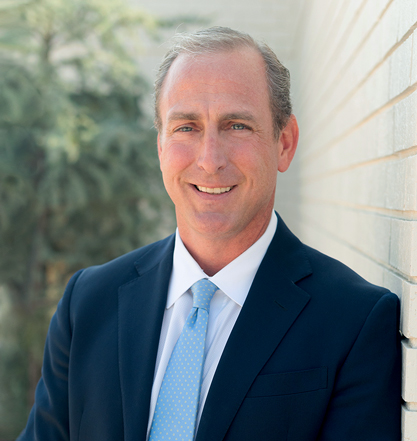
Joe S. Carson is the founding attorney and senior partner of Warhawk Legal. He earned his J.D. from Oklahoma City University School of Law in 2002. He holds an AV Preeminent rating from Martindale-Hubbell, has been selected to Super Lawyers, and was named “The Face of Injury Law” by 405 Magazine in 2021. He speaks English and Spanish, so families can talk through their case in the language they are most comfortable with.
To learn more about his background, visit Joe S. Carson’s attorney profile, or see our attorneys who support Oklahoma City families through wrongful death claims.
Who Can File a Wrongful Death Claim in Oklahoma?
In Oklahoma, the wrongful death claim is brought by the personal representative of the person who died (12 O.S. § 1053), on behalf of the family. If no personal representative has been appointed, or the person who died did not live in Oklahoma, the surviving spouse, or the next of kin if there is no spouse, may bring the claim instead (12 O.S. § 1054). People outside the family classes the statute names, such as unmarried partners and friends, have no claim of their own. For a longer walk-through, see our guide on who can file a wrongful death lawsuit in Oklahoma.
Section 1053 protects the surviving spouse, the children and the parents of the person who died, and the next of kin when there is no spouse or child. These family members do not file the claim themselves; the personal representative pursues it for all of them together, not for the estate's creditors. Siblings and grandparents share only as next of kin, which means only when there is no spouse or child. The statute has no category for unmarried partners or fiances. Which damages each family member receives, and how the shares are set, is explained in "How the Money Is Divided".
When more than one person could serve as administrator, Oklahoma law sets an order of priority (58 O.S. § 122): the surviving spouse, then children, parents, brothers and sisters, grandchildren, other next of kin, creditors, and then any competent person. If the person with priority declines or cannot serve, the court moves down the list. If the person who died left a will naming an executor, that person is usually the one who asks to be appointed. Whoever is appointed takes on a duty to every family member entitled to share in the claim, not only to the relative who started the probate case. The appointment itself is explained in "Probate, Appointment and the Estate".
Because Oklahoma law centralizes the right to sue in a single representative, individual family members do not file separate wrongful death lawsuits even when several of them are entitled to share in any recovery. The personal representative is the named plaintiff, and the lawsuit proceeds as one action on behalf of all eligible beneficiaries at once. This structure is meant to prevent a defendant from facing multiple overlapping suits over the same death and to ensure that any settlement or judgment is distributed in an orderly way among the people the statute protects. A spouse, adult child, or parent who wants to pursue a claim typically does so by working through or with the appointed representative, not by filing independently in their own name.
Section 1054 keeps a claim from being lost because nobody has been appointed. It allows the surviving spouse, or the next of kin if there is no spouse, to bring the wrongful death claim in two situations: when no personal representative has been appointed, or when the person who died did not live in Oklahoma (12 O.S. § 1054). It is a fallback rather than a free choice. In most Oklahoma City cases the family still has a personal representative appointed, because a defendant or insurer will want to see clear authority before any settlement is paid. If you are unsure which route fits your family, a lawyer can review it with you.
Not everyone who grieves a death has a claim under Oklahoma's statute. Section 1053 has no category for unmarried partners or fiances, however long the relationship lasted, unless the couple met the requirements of a common-law marriage, which Oklahoma recognizes. Friends, creditors and business associates have no claim. More distant relatives, such as siblings and grandparents, share only as next of kin when there is no spouse or child. Stepchildren who were never legally adopted are a harder question that a lawyer should review. If you were close to the person and are not sure where you stand, the specific situations are covered in "Family Situations That Are Not Straightforward".
One claim. When a person leaves a spouse and children, Oklahoma law does not have each relative file a separate lawsuit. The personal representative brings a single wrongful death action that covers the losses of everyone the statute protects. This is why the choice of personal representative matters: that one person stands for everyone entitled to recover, not only for themselves. How the shares are set is explained in "How the Money Is Divided".
Disagreements usually come up in two places: who should serve as personal representative, and how a recovery should be shared. The probate court decides contested appointments, using the order of priority described above. A personal representative owes duties to every family member who shares in the claim, so one who favors a single relative can face objections in court. Raising concerns early, before a settlement is finalized, gives everyone more room to resolve them. Division disputes are covered in "How the Money Is Divided".
If nobody has been appointed yet, a personal representative can be appointed through the probate court, as explained in "Probate, Appointment and the Estate".
Family Situations That Are Not Straightforward
Oklahoma’s statute names the spouse, children and parents, with other next of kin sharing only when there is no spouse or child (12 O.S. § 1053). Many families fit that pattern cleanly. Blended families, long-term unmarried couples and estranged relatives often do not. Below, each situation is answered from that rule. Where Oklahoma law does not settle the question, a lawyer should review the family’s documents before anyone assumes the answer.
An unmarried partner has no wrongful death claim in Oklahoma. Section 1053 has no category for unmarried partners or fiances, however long the couple lived together, shared finances or raised children together. A fiance who had already set a wedding date is in the same position. A domestic partnership registered with an employer or a city does not change this. The loss to a surviving partner is real, and that is painful to hear. There is one important exception to check: Oklahoma recognizes common-law marriage, so a couple who met its requirements may be treated as married, as explained under common-law marriage below. Children the couple had together can still have claims of their own as the children of the person who died.
A stepchild who was never legally adopted is, as a general rule, not treated as the child of the stepparent who died, and a stepparent who never adopted is generally not treated as a parent. A close relationship built over many years in the same household does not, on its own, take the place of a legal adoption. That can feel deeply unfair to families who lived as one unit for decades. Whether a stepchild or stepparent has any route to recovery depends on the family's legal history, such as whether an adoption was ever finalized. If you are unsure, bring whatever paperwork you have, and a lawyer can review the specific facts with you.
Generally, a legally adopted child is treated the same as a biological child once the adoption is final. An adopted child shares in the claim as a child of the person who died, and an adoptive parent is treated as that child's parent. Children from a prior marriage or relationship are generally treated as children of the parent who died, whether the earlier marriage ended in divorce or death, and they stand on the same footing as children from a later marriage. Questions arise when parental rights were terminated, an adoption was contested, or the paperwork is incomplete. In those situations a lawyer should look at the actual court records before anyone assumes who is included.
A child conceived before a parent's death but born afterward raises a timing question that the wrongful death statute does not spell out in plain words. In general, the law often treats such a child as a child of the parent who died, but how that applies to a particular wrongful death claim, and what proof of parentage will be needed, is something a lawyer should review. Families expecting a child when a parent dies should not assume the child is left out, and should tell their lawyer early so the child's interests are accounted for before any settlement is discussed. A separate question, a claim for the death of an unborn child, is answered in the FAQs.
Oklahoma recognizes common-law marriage. A couple who met its requirements, without a license or ceremony, can be treated as legally married, and the surviving partner can then stand as the surviving spouse in a wrongful death claim. In general, courts look at whether the couple agreed to be married, lived together and presented themselves to others as husband and wife or as spouses. Proving a common-law marriage after one partner has died can be harder than it sounds, because there is no certificate. Evidence often includes joint tax returns, shared leases or accounts, insurance forms naming a spouse, and testimony from people who knew the couple. A lawyer can review whether the evidence is strong enough before the claim is filed.
Yes, parents keep a claim when their child was an adult. Section 1053 names grief and loss of companionship damages for the children and parents of the person who died, and it does not limit that to minor children. A parent's grief over an adult son or daughter who had moved out, married or started a family is part of the claim. When the adult child left a spouse or children, those relatives receive the financial loss and consortium damages, while the parents still share in the grief and companionship award according to their own loss (12 O.S. § 1053). How the judge divides those awards is explained in "How the Money Is Divided".
Siblings and grandparents do not have grief and companionship claims of their own under § 1053, which names only the spouse, children and parents for those damages. They can share in a recovery only as next of kin, which happens when the person who died left no spouse and no child (12 O.S. § 1053). In that situation, the family's financial loss goes to the next of kin according to each person's loss, and the person's own pain and anguish and any punitive damages pass in the same shares as the person's property. Whether a particular brother, sister or grandparent qualifies depends on who else survives, so a lawyer should map out the whole family before anyone assumes a share.
In general, legal marital status at the time of death matters, not how the relationship was going. A spouse who was separated but not divorced is generally still a spouse for wrongful death purposes, with the claims § 1053 gives a surviving spouse. A former spouse whose divorce was final before the death generally is not. A divorce that was filed but not final is the hardest case, and the outcome can depend on the specific facts, so a lawyer should review it. The separation can still matter in another way: because the spouse's grief and consortium claims depend on the actual loss, insurers and defense lawyers may point to the separation when the value of that loss is discussed.
A parent who had little contact with the person who died may still be a parent under the law, and § 1053 names parents among those who recover for grief and loss of companionship. Legal parentage, not the closeness of the relationship, generally decides who is included. Estrangement still matters, though. Grief and companionship damages are shared by each person's loss, and the judge divides those awards (12 O.S. § 1053), so a parent who was absent for years may receive far less than one who was present every day. Other family members can raise the estrangement with the court. These disputes run separately from the case against the at-fault party, but they can slow the end of the case if they are not raised early.
When someone dies with no spouse and no children, the claim is still brought by the personal representative, and the family's financial loss goes to the next of kin according to each person's loss (12 O.S. § 1053). Parents keep their own grief and companionship claims. The person's own pain and anguish and any punitive damages pass to the next of kin in the same shares as the person's property. Siblings, grandparents or other relatives may have an interest. These cases can take longer, especially when there is no will, relatives live out of state, or it is unclear who counts as next of kin. Getting someone appointed is covered in "Probate, Appointment and the Estate".
The Wrongful Death Claim and the Survival Action
When someone dies because of another party’s negligence or misconduct, Oklahoma law can give the family two claims: the wrongful death claim (12 O.S. § 1053) and the survival action (12 O.S. § 1051). They usually arise from the same event and are often brought together, but they compensate different losses and follow different rules. Our article on the difference between wrongful death and survival actions in Oklahoma explains the distinction in more depth.
The wrongful death claim compensates the people left behind. Under 12 O.S. § 1053 it covers medical and burial expenses, the spouse's loss of consortium and grief, the family's financial loss, the grief and loss of companionship of the children and parents, and the mental pain and anguish of the person who died, along with punitive damages where the conduct justifies them. Most of these losses begin at the moment of death and continue afterward: a spouse's grief, a child's lost guidance, a family's lost income. That is the defining feature of this claim. It exists for the family, and the personal representative brings it on their behalf. Each category is described in "Types of Compensation a Wrongful Death Attorney in Oklahoma City Handles".
The survival action carries forward the injury claim the person would have had if they had lived. Under 12 O.S. § 1051, a person's own injury claim survives their death, and a lawsuit already pending at death continues. It covers losses that belonged to the person before death, such as earnings lost between the injury and death and damage to their property. Some losses, like medical bills and the person's own mental pain and anguish, are also listed in the wrongful death statute, so a lawyer decides where each item is best claimed. If a person spent several days in intensive care before dying, those days are where the survival action matters most.
Oklahoma's survival statute, 12 O.S. § 1051, keeps a person's injury claim alive after their death instead of letting it end. If the person had already filed a lawsuit before they died, that case continues. If they had not, the claim can still be brought. Because the claim belonged to the person who died, it is pursued through their estate, which in practice means the personal representative brings it, not individual relatives acting on their own. The survival claim has its own deadline, counted from the injury rather than from the death; that timing is explained in "Deadlines: How Long Families Have to Act".
Most families pursue both claims together because each one captures a piece of the full picture that the other leaves out. The survival action accounts for what happened to the person before death; the wrongful death claim accounts for what happened to the family afterward. Filing only one typically means abandoning compensation that's legally available. Consider a workplace accident where the victim is hospitalized for two weeks before dying. Between them, the two claims reach both the losses of those two weeks, such as treatment, lost income and suffering, and the years of lost financial support and companionship the family will go without. At Warhawk Legal, we evaluate both claims from the outset of any wrongful death matter, since the facts supporting one often come directly from evidence gathered for the other.
The two claims rest on different statutes and can have different deadlines, as explained in "Deadlines: How Long Families Have to Act".
Money from each claim can go to different family members in different shares, as explained in "How the Money Is Divided".
Punitive damages are meant to punish reckless or intentional conduct rather than repay a specific loss. In Oklahoma, the wrongful death statute itself lists punitive damages under 23 O.S. § 9.1 among the damages that can be recovered (12 O.S. § 1053). Any punitive award goes to the spouse and children, or the next of kin if there are none, in the same shares as the person's property. Punitive damages are never automatic; they depend on proof about how the defendant behaved. If the conduct behind a death involved recklessness or intentional harm, such as impaired driving, raise it with a lawyer early. The levels of conduct and their limits are explained in "What Can and Cannot Be Recovered in Oklahoma".
Probate, Appointment and the Estate
In most cases, yes, at least far enough to have someone appointed. The wrongful death claim is brought by the personal representative of the person who died (12 O.S. § 1053), so the appointment step usually comes before a lawsuit is filed or a settlement is signed. The spouse or next of kin can file without an appointment only in the limited situations explained in "Who Can File a Wrongful Death Claim in Oklahoma?".
This does not mean a long administration of every asset. For a wrongful death claim, the immediate goal is narrow: a court order naming someone with authority to pursue the claim. Any wider administration of the estate can move on its own track.
The terms get used loosely, but they describe a specific legal process. A person who wants to serve as personal representative files a petition in the probate division of the appropriate Oklahoma district court, asking the court to appoint them. The court requires notice to other heirs and interested parties, who have the chance to object or ask to be appointed instead. If no one contests the petition and the proposed representative meets the basic legal qualifications, the judge signs an order of appointment.
Because this appointment is a prerequisite to filing suit, it is worth starting the petition early rather than waiting until the legal team has finished investigating the underlying accident.
Once a court appoints a personal representative, it issues a document proving that authority. If the deceased left a will naming an executor, the court issues letters testamentary. If there is no will, or the named executor cannot or will not serve, the court issues letters of administration to the person appointed as administrator. Either document serves the same practical function: it is the paper proof that the person filing the wrongful death lawsuit actually has the legal standing to do so.
Defense attorneys and insurance carriers routinely ask for a copy of these letters early in a wrongful death claim, and for good reason. Without them, there is no confirmed legal authority behind the lawsuit, which creates an opening to challenge the case on procedural grounds rather than argue its merits. A defendant who can show the plaintiff lacks proper appointment may move to dismiss or at least delay the case until the issue is resolved. Getting the letters in hand before serving a defendant, or very shortly after filing, avoids giving the other side an easy procedural foothold.
When a person dies without a valid will, no executor has been named, so the court appoints an administrator instead and issues letters of administration. Oklahoma law sets an order of priority for who may be appointed (58 O.S. § 122), starting with the surviving spouse; the full order is in "Who Can File a Wrongful Death Claim in Oklahoma?".
Not having a will does not block a wrongful death claim. It means the court has to identify the heirs and decide who should be appointed, which can add a step compared with a case where a will already names an executor. Gathering family information early, such as who survives and where they live, helps the petition move faster.
Oklahoma offers simpler routes for smaller estates. As of October 2026, an affidavit can be used to collect personal property worth less than $50,000, and summary administration is available for estates of $200,000 or less. Where they fit, these routes can be faster and cheaper than a full probate.
There is a catch for wrongful death families. A small estate affidavit collects property; it does not appoint anyone. The claim still needs someone with authority to bring it and to accept a settlement on behalf of the family, so a family may still need an appointment even when the rest of the estate is small. Whether a simpler route works depends on the whole situation, and a lawyer can review it with you.
For families in Oklahoma City, appointment proceedings are generally filed in Oklahoma County District Court, which hears probate cases, or in the district court of the county where the person lived. In general terms, the process involves filing a petition for appointment, providing a certified copy of the death certificate, filing the original will if there is one, and giving notice to heirs and other interested people. The court may hold a hearing before issuing letters, especially if someone objects or there is a question about who has priority. Forms and local practices can change, so treat this as a general description rather than a checklist, and confirm the current requirements before filing.
How long appointment takes depends on whether anyone contests the petition, whether there is a will, and how busy the court is. An uncontested petition with a clear will and a family in agreement generally moves faster than one with disputes about who should serve or questions about heirs.
The appointment step does not have to stop everything else. The wrongful death deadline keeps running regardless of where the probate case stands, so it makes sense to pursue the appointment and the investigation at the same time. We work on both together, so families are not left waiting longer than necessary to file the claim.
Probate costs are generally paid from the estate's assets where there are any. Court filing fees, the cost of publishing required notices, and any bond the court requires of the personal representative are typically estate expenses. When the person left little or no property, the family member seeking appointment may need to advance some of these costs, with the expectation of being repaid later if the estate or a recovery produces funds. Amounts vary with the county and the complexity of the estate. Before assuming how probate costs will be handled, ask your lawyer directly and get the answer in writing, so there are no surprises when a recovery is divided.
Once appointed, the personal representative takes on a fiduciary duty to the people who have a legal interest in the wrongful death recovery, which under Oklahoma's statute can include the surviving spouse, children, and parents of the deceased, among others depending on the circumstances. That duty carries real obligations:
- Acting in good faith and avoiding any decision that benefits the representative at the expense of other beneficiaries
- Keeping other family members reasonably informed about major developments in the case, including settlement discussions
- Distributing any recovery according to the proportions set by law or court order, rather than by personal preference
- Providing an accounting of how settlement or verdict funds were allocated when requested
- Avoiding self-dealing, such as directing disproportionate compensation to themselves if they are also a beneficiary
These duties exist whether or not the representative is also the person most affected by the loss. A spouse or adult child appointed as representative does not lose their own claim to a share of the recovery, but they do take on a legal responsibility to the other family members named in the action. If a representative fails to meet these obligations, other interested parties can raise the issue with the probate court, and in serious cases a judge can remove a representative who has breached their duty. Because these obligations can create friction within a grieving family, we encourage clients to raise questions about distribution and communication early, before a settlement is on the table, rather than after disagreements have already taken hold.
How the Money Is Divided
Oklahoma does not split a wrongful death recovery evenly per person. Section 1053 assigns each type of damages to particular family members, and the judge divides the financial-loss and companionship awards according to each person’s loss. Extra rules apply when a child shares in the recovery, and costs and fees come out before the family is paid. Our article on how Oklahoma City accident settlements are paid out explains the payment process.
The personal representative brings the claim, but most of the money does not simply go into the estate. Oklahoma law (12 O.S. § 1053) assigns each type of damages to particular family members:
| Type of damages | Who receives it |
|---|---|
| Medical and burial expenses | Whoever paid them |
| Loss of consortium and the spouse's grief | The surviving spouse |
| Financial (pecuniary) loss | The spouse and children, or next of kin, by each person's loss |
| Grief and loss of companionship | The children and parents, by each person's loss |
| The person's own pain and anguish, and punitive damages | The spouse and children, or next of kin if there are none, in the same shares as the person's property |
Because shares follow each person's loss, a spouse who relied on the person's income and a young child who lost a parent's daily care may receive different amounts from an adult child living independently.
Under 12 O.S. § 1053, the judge divides the financial-loss and companionship awards among the family members entitled to them. The family's own views still matter. When relatives agree on a proposed split and can explain it by each person's loss, the court has a clear starting point. When they do not agree, see What happens when family members cannot agree on a split. Either way, the division is not left to the person who happens to be serving as personal representative. A lawyer can help the family put together a proposed division that is supported by the facts before it goes to the judge.
Even when the family agrees, a wrongful death settlement generally comes before a judge, because the judge divides the financial-loss and companionship awards among the family (12 O.S. § 1053). Approval is especially important when a child shares in the recovery. The judge's role is to confirm that the division is fair given each person's relationship and loss, not to second-guess every figure the family has worked out. If the judge is concerned that someone's interests, especially a child's, are not protected, the court can require changes before approving. Exactly how a hearing is handled varies from case to case, so your lawyer will explain what your court will expect.
A child cannot manage or receive a settlement directly, so Oklahoma adds safeguards. When a child's net share is more than $25,000, the money is deposited as the court orders and held until the child turns 18, unless a court orders otherwise (12 O.S. § 83, as of October 2026). The court reviews whether the amount set aside for the child is fair given the child's loss, and a guardian may be appointed to act for the child. This is not a formality to rush. A surviving parent is often coping with grief and money pressure at the same time, and the court process is there to make sure the child's interests are not lost in the push to finish.
Instead of holding a child's share until a single payment at 18, a family can ask the court to approve a structured settlement, which pays the money out over time on a set schedule. Structures are usually funded through an annuity and can be designed to release funds at milestones, such as finishing high school or reaching a later age, rather than all at once. A structure for a child generally needs the court's approval, and the terms should balance the child's present needs against keeping money for the future. Whether a structure, a court-ordered deposit or a mix of both is best depends on the child's age and needs, and your lawyer can walk through the options.
Under Oklahoma law, money is distributed to the family after legal expenses and costs are paid (12 O.S. § 1053). In practice, attorney fees under the contingency agreement, case costs, and valid liens are settled out of the recovery before the family's shares are paid. Liens can include health insurance reimbursement claims and government programs that paid for the person's final medical care. Medical and burial expenses go to whoever paid them. Only after these items are resolved is the remaining amount divided among the family as the judge directs. Liens can often be negotiated, which increases what the family keeps, and your lawyer should show you every deduction line by line before anything is signed.
When relatives cannot agree on how a recovery should be shared, the judge decides. Under 12 O.S. § 1053, the judge divides the financial-loss and companionship awards among the family, so a disagreement does not give any one relative a veto. Each person can present evidence about their relationship with the person who died, any financial dependence, and the nature of their loss, and the judge's order then controls the division. Families often try to settle the disagreement through discussion or mediation first. Disputes tend to be hardest in blended families or where a relative was estranged, and they can delay payment for everyone, so it helps to raise concerns early.
As a general matter, the parts of a wrongful death recovery that § 1053 assigns to family members, such as the spouse's grief and consortium, the family's financial loss and the children's and parents' companionship, compensate those people for their own losses, which is why they are treated differently from the person's ordinary property. Medical and burial expenses go to whoever paid them. The person's own pain and anguish and any punitive damages pass in the same shares as the person's property, and a survival claim belongs to the estate, so those parts may be treated differently. Whether a particular creditor can reach any part of a recovery depends on the facts, so ask a lawyer to review the estate's debts before money is divided.
Types of Compensation a Wrongful Death Attorney in Oklahoma City Handles
Oklahoma wrongful death law does not award a single lump sum for “the loss of a life.” Instead, it recognizes several distinct categories of harm, each tied to specific facts about the decedent and the people left behind. A wrongful death attorney in Oklahoma City has to document each category separately, because insurance adjusters and defense counsel will challenge any claim that is not backed by records, testimony, or clear calculation. Below is how each category works, what it is meant to cover, and who is legally entitled to recover it.
This category covers the medical care the decedent received between the injury and death, whether that span was minutes, days, or weeks. It can include ambulance transport, emergency room treatment, surgery, hospitalization, ICU care, and any related diagnostic testing. It is a specific expense rather than a personal loss to any one family member.
Under Oklahoma law, medical and burial expenses go to whoever paid them (12 O.S. § 1053). If the estate paid the hospital, the estate is repaid; if a family member paid, that person is repaid. Medical bills a health insurer or government program covered may be subject to a lien, as explained in "How the Money Is Divided".
This covers the direct costs of laying a loved one to rest: funeral home services, burial or cremation, a casket or urn, a headstone or marker, and related administrative costs such as obtaining death certificates. It does not cover unrelated estate expenses or ongoing costs like cemetery plot maintenance years later.
Under 12 O.S. § 1053, these costs go to whoever paid them, whether a family member or the estate, with the understanding that the family should not be left absorbing these expenses because of someone else's negligence.
This is often the largest component of a wrongful death claim. It accounts for the income and financial contributions the decedent would reasonably have provided to dependents had they lived a normal working life, including wages, benefits, and anticipated raises or career advancement. Calculating this requires looking at the decedent's age, occupation, earning history, and work-life expectancy.
Under 12 O.S. § 1053, the family's financial loss goes to the surviving spouse and children, or to the next of kin if there are none, according to each person's loss. How the amount is calculated is explained in "How the Family's Loss Is Valued".
Beyond the income the person would have spent supporting the family, they might have built up savings, property or other assets that the family would eventually have inherited. Where the evidence supports it, that lost future inheritance can be argued as part of the family's financial (pecuniary) loss under 12 O.S. § 1053.
It is a more general projection than lost wages, because it depends on reasonable assumptions about saving habits and accumulated wealth over a lifetime rather than documented earnings. Whether it fits a particular case, and how strongly it can be shown, is a question to raise with a lawyer. Any amount would go with the family's financial loss, to the spouse and children or the next of kin.
This covers the loss of the personal relationship the decedent shared with a surviving spouse or children: companionship, affection, guidance, and the day-to-day presence of a partner or parent. For a spouse, this includes the loss of marital companionship and partnership. For children and parents, it is the loss of the relationship itself.
Under 12 O.S. § 1053, the spouse recovers for loss of consortium, and the children and parents recover for grief and loss of companionship, each according to their own loss.
This addresses the emotional pain, sorrow, and psychological toll the death has caused the statutory beneficiaries, which may include a surviving spouse, children, or parents depending on the family structure. It is distinct from loss of companionship because it focuses on the emotional suffering of the survivor rather than the loss of the relationship itself.
How a family shows this loss is explained in "How the Family's Loss Is Valued".
Many people contribute meaningfully to a household in ways that never show up on a pay stub: childcare, cooking, cleaning, home repairs, yard work, driving children to school or activities, and caring for aging relatives. When a negligent act takes that person's life, the family often has to pay someone else to perform those tasks, or absorb the burden themselves.
The value of those services is part of the family's financial loss, which goes to the spouse and children, or the next of kin if there are none, according to each person's loss (12 O.S. § 1053).
If the person survived for any period between the injury and death, whether minutes, hours or weeks, Oklahoma law lists the mental pain and anguish they suffered among the damages in a wrongful death claim (12 O.S. § 1053). This award goes to the spouse and children, or the next of kin if there are none, in the same shares as the person's property. It is separate from the grief of the family.
Proving this type of damage requires specific evidence: medical records documenting the decedent's condition, statements from treating physicians or first responders about consciousness and distress, and in some cases witness testimony from people present at the scene or hospital. The longer and more documented the period of suffering, the more substantial this component of the claim tends to be. A person who died instantly presents a different evidentiary picture than someone who survived on a ventilator for several days before succumbing to injuries.
Punitive damages are possible only for reckless or intentional conduct, and when they apply and how they are limited is explained in "What Can and Cannot Be Recovered in Oklahoma".
When a working spouse or parent dies, the family often loses more than a paycheck. Retirement accounts, pension plans, and employer-matched contributions represent deferred income that the decedent would have continued accumulating over years or decades of employment. A 45-year-old with a vested pension and twenty years left in a career has a very different loss profile than someone nearing retirement age.
Calculating this loss typically involves reviewing the decedent's employment history, vesting schedule, salary trajectory, and the specific terms of the retirement plan. This loss is part of the family's financial loss, which goes to the spouse and children, or the next of kin, according to each person's loss (12 O.S. § 1053). How an economist projects it is explained in "How the Family's Loss Is Valued".
Many Oklahoma workers receive health insurance and life insurance coverage as part of their compensation package, often at a cost far below what an individual would pay on the open market. When that employee dies, the surviving spouse and children frequently lose that coverage entirely or face a steep increase in cost to maintain similar protection through COBRA or a private policy.
This loss includes the value of employer-subsidized premiums the family will no longer receive, plus any gap between what the family now has to pay for comparable coverage and what they were paying before. If the decedent also carried an employer-provided life insurance policy, the loss of that coverage, separate from any payout the policy itself generated, can factor into the overall claim as well. These amounts form part of the family's financial loss and go to the spouse and children, or the next of kin, according to each person's loss (12 O.S. § 1053).
A child's loss when a parent dies is not limited to money. The guidance, discipline, moral training and daily instruction a parent provides have real value, even though they are harder to measure than a paycheck. Under 12 O.S. § 1053, children recover for their grief and loss of companionship, and the value of a parent's care can also be part of the family's financial loss.
Courts and juries generally consider the age of the child, the closeness of the parent-child relationship, and the role the parent played in the child's upbringing when evaluating this type of claim. A young child who loses a parent who was the primary caregiver presents a different situation than an adult child who had an estranged relationship with the decedent. Documentation such as school involvement, coaching, religious upbringing, or other consistent parental involvement can help illustrate the depth of this loss.
Surviving family members, particularly spouses and children, often need professional mental health support to process the sudden loss of a loved one. The cost of grief counseling and related mental health treatment can be considered as part of the overall harm a family has experienced, though the specific amount and duration of support needed will vary from family to family and is generally supported by records from a treating counselor or therapist rather than a fixed formula.
When a death occurs away from home, such as during travel for work or in an accident on an out-of-state highway, families sometimes face additional costs to transport the body back to Oklahoma, travel to the location of death for identification or legal proceedings, or coordinate with out-of-state authorities. These expenses are separate from standard funeral and burial costs and can add up quickly.
Separately, administering the decedent's estate, including probate filing fees, executor or personal representative costs, and related administrative expenses, can represent a real financial burden on the family handling the loss. Keep receipts, invoices and court filings for these costs, and ask a lawyer which of them can be included in the claim.
What Can and Cannot Be Recovered in Oklahoma
Families pursuing a wrongful death claim in Oklahoma often have specific financial questions that go beyond the basic categories of damages: whether a cap limits what a jury can award, whether money the family already received (from life insurance or health coverage) gets subtracted from a settlement, and whether any of the recovery will be taxed. These questions matter because they affect how a family plans around a settlement or verdict, and the answers in Oklahoma differ in important ways from other types of personal injury claims.
There is no cap on the noneconomic damages a jury can award in an Oklahoma wrongful death case. Oklahoma law (23 O.S. § 61.3) caps noneconomic damages at $500,000 for injuries on or after September 1, 2025, but that cap does not apply to wrongful death claims, as of October 2026. Noneconomic damages are the losses that are not measured by bills or paychecks, such as grief and loss of companionship.
This is a common source of confusion, because the answer to whether there is a limit to how much compensation you can recover after a car accident in Oklahoma is different for an injured survivor than for a family after a death. Separate limits do apply to punitive damages and to claims against government bodies, as covered below.
Claims against a city, county or the state have their own dollar caps and a much shorter notice requirement, covered in "Deadlines: How Long Families Have to Act".
Punitive damages are available in an Oklahoma wrongful death case only when the evidence shows the defendant acted with reckless disregard for the rights of others, or intentionally and with malice. Oklahoma law (23 O.S. § 9.1) sorts them into tiers, as of October 2026:
| Conduct proven | Limit on punitive damages |
|---|---|
| Reckless disregard for the rights of others | Up to the greater of $100,000 or the actual damages awarded |
| Intentional and malicious conduct | Up to the greatest of $500,000, twice the actual damages, or the defendant's financial gain from the conduct |
| Intentional, malicious and life-threatening conduct, found beyond a reasonable doubt | No cap |
Punitive damages are never automatic; the family has to prove the conduct. The difference between compensatory and punitive damages is worth understanding on its own terms.
Generally, no. A life insurance payout comes from a policy the person or their employer paid for, not from the party responsible for the death, and as a general rule it is not treated as a payment that reduces what the at-fault party owes. A family that planned ahead with life insurance is not usually penalized for it. This is a general principle only. The type of policy and its terms can affect how it applies in a particular case, so bring the policy and any letters from the insurer to your lawyer. Filing a life insurance claim is covered in "Support and Resources for Families in Oklahoma City".
Not in the way most families expect, but there is a rule to know. For medical bills, Oklahoma law lets the jury see the amounts actually paid, rather than the full amounts billed (12 O.S. § 3009.1). So if a hospital billed one figure and an insurer paid a lower negotiated amount, the lower figure is the one that counts. Separately, a health insurer or government program that paid for the person's care may have a right to be repaid from the recovery. That is a lien, not a deduction from the award itself. How liens are paid and negotiated before the family receives its shares is explained in "How the Money Is Divided".
Most of a wrongful death recovery is not federal income. Damages received for physical injury or death are generally excluded from income (26 U.S.C. § 104(a)(2)), which typically covers the family's financial loss, grief and companionship, and funeral expenses. Punitive damages are the main exception: they are taxable, even when they come from a wrongful death claim. Because the line can depend on how a settlement is worded and divided, have a tax professional review the final papers before you sign. Our article on whether personal injury settlements are taxable in Oklahoma explains the same rule in more detail.
Oklahoma has no estate tax and no inheritance tax, so a wrongful death recovery is not reduced by either one at the state level. That is a relief for many families, who worry that a recovery will shrink once it passes to them.
Federal estate tax is a separate question. It applies only to estates above a high federal exemption, which affects very few families, but if the person who died had significant assets, ask an estate planning or tax professional to review it. Which parts of a recovery pass with the person's property and which go directly to family members is explained in "How the Money Is Divided".
Common Fatal Injuries in Wrongful Death Cases
Wrongful death claims often turn on the specific injury that caused a loved one’s death. Knowing how an injury happened helps the family and their lawyer understand what went wrong and which medical records will matter. Below are injuries that commonly lead to a fatal outcome.
Traumatic Brain Injuries (TBI)
A traumatic brain injury (TBI) happens when a sudden blow, jolt, or penetrating object disrupts normal brain function. In fatal cases, this often means a closed head injury from a car or truck collision, a fall from height, or a severe blow during a workplace accident. The violence of the impact can cause the brain to strike the inside of the skull, tearing blood vessels and nerve tissue even when there's no visible wound on the outside.
Death from TBI doesn't always happen instantly. Swelling inside the skull, known as intracranial pressure, can build over hours or days and cut off blood flow to the brain. Families sometimes watch a loved one seem stable after an accident, only to decline rapidly once this pressure builds. Medical records showing the timeline of this deterioration are often central to proving how the fatal injury unfolded.
Spinal Cord Injuries
A spinal cord injury occurs when a fractured, dislocated, or crushed vertebra damages the bundle of nerves running through the spine. High-speed collisions, falls, and heavy equipment accidents are common causes. The severity and location of the damage determine the outcome. An injury to the upper spine, in the neck region, is far more likely to be fatal than one lower in the back because it can interfere with the nerves controlling breathing and heart function.
When a spinal cord injury proves fatal, it's frequently because the victim's body loses the ability to maintain basic functions like respiration without mechanical support. In other cases, complications such as blood clots or infections set in during treatment. Establishing exactly where and how the spine was damaged usually requires imaging studies and testimony from treating physicians.
Blunt Force Trauma
Blunt force trauma refers to injury caused by impact against the body that doesn't break the skin or penetrate deep tissue, though it can still cause catastrophic internal damage. This is the mechanism behind many fatal car crashes, truck crashes and workplace accidents. The force of a steering wheel, dashboard, or heavy falling object can fracture bones, rupture organs, and cause internal bleeding without any obvious external wound.
Because blunt force trauma can look deceptively minor at first glance, it's one of the injury types most often misjudged in the immediate aftermath of an accident. A person might walk away from a crash scene only to collapse hours later from internal injuries that weren't apparent until they worsened.
Internal Bleeding
Internal bleeding happens when blood vessels or organs are damaged and blood escapes into the body's cavities instead of staying contained in the circulatory system. It's a frequent, and frequently underestimated, cause of death following car accidents, falls, and physical trauma of almost any kind. Organs like the liver and spleen are particularly vulnerable because they're highly vascular and sit in positions where they absorb much of the force from a frontal or side impact.
The danger with internal bleeding is that symptoms aren't always obvious right away. A victim may seem alert and coherent while losing blood internally, and by the time signs like dropping blood pressure or abdominal swelling appear, the situation can already be critical. This is why timely diagnosis and treatment matter so much, and why delays in emergency care sometimes become a factor in a wrongful death claim.
Crushed Organs or Chest Trauma
Crush injuries occur when a part of the body is compressed between two surfaces or objects, something we see in trucking accidents, industrial and construction site incidents, and some of the more severe multi-vehicle collisions on Oklahoma highways. When this compression affects the chest, it can fracture ribs, collapse a lung, or cause what's known as flail chest, where a segment of the rib cage separates from the rest of the chest wall and moves independently with each breath.
Chest trauma is particularly dangerous because the chest cavity houses the heart and lungs. Severe compression can bruise or rupture the heart muscle, puncture lung tissue, or cause the chest to fill with blood or air, making it impossible for the lungs to expand properly. These injuries often require immediate surgical intervention, and the speed and quality of that response frequently becomes relevant when investigating a wrongful death.
Burns and Smoke Inhalation
Burn injuries severe enough to cause death typically come from vehicle fires, explosions, electrical accidents, or workplace incidents involving chemicals or industrial equipment. Burns are generally classified by depth, with the most severe destroying not just skin but underlying muscle, fat, and sometimes bone. A fatal burn injury may result directly from the trauma to the body or from the complications that follow, including infection and organ failure as the body struggles to cope with the damage.
Smoke inhalation is a separate but closely related danger, especially in vehicle fires and structure fires. Breathing in superheated air and toxic combustion byproducts can damage the airway and lungs within seconds, and carbon monoxide exposure can cause asphyxiation even when a victim is never touched by flame. In many fatal fire cases, it's the smoke, not the burns themselves, that proves lethal.
Drowning
Drowning happens when water enters the airway and prevents normal breathing, cutting off oxygen to the brain and body. Without rapid rescue and resuscitation, the lack of oxygen leads to brain injury and death within minutes. Fatal drownings can happen in home and apartment pools, hotel pools, lakes and during boating trips, and young children are especially at risk because a drowning is often silent.
Drowning deaths are not always immediate. A person pulled from the water and revived can still die hours or days later from damage to the lungs, and medical records connecting the original incident to the later decline are essential in these claims. Who may be responsible for a pool or water death is covered under Drowning and Swimming Pool Deaths in Types of Wrongful Death Cases in Oklahoma City.
Asphyxiation and Suffocation
Asphyxiation happens when the body is deprived of oxygen long enough to damage the brain and stop the heart. Apart from drowning and smoke, covered above, common causes include choking, strangulation, being trapped or pinned in a position that prevents breathing, and toxic or oxygen-poor air in an enclosed space such as a tank, trench or grain bin. Young children can also be harmed by cords, sleep products or other items that create a strangulation or suffocation risk.
These deaths often turn on the medical examiner's findings about how the oxygen loss happened and how quickly it led to death. Those findings help show whether the hazard was one someone should have prevented.
Multiple Organ Failure and Sepsis
Sepsis is the body's extreme and often fatal response to an infection, and it can trigger a cascade of organ failure that ends in death long after the original injury occurred. A victim might survive a serious car accident or a fall, only to develop a wound infection, pneumonia, or a urinary tract infection during recovery that spirals into sepsis weeks later. Nursing home neglect cases commonly involve this pattern, where untreated bedsores or unsanitary conditions lead to infections that hospitals struggle to control.
Proving a wrongful death claim built on sepsis or organ failure requires connecting the dots between the original negligent act and the eventual cause of death listed on the certificate. That often means pulling hospital records, treating physician notes, and sometimes retaining a medical expert to explain how the initial injury or neglect set the infection in motion.
Complications and Delayed Death After the Injury
Death does not always follow an injury right away. A person may live for days, weeks or months in a hospital or rehabilitation facility before a complication such as a blood clot, brain swelling, pneumonia or an infection proves fatal. A delayed death can still be a wrongful death when the medical records connect the final complication back to the original injury, and treating doctors' notes often show that link.
A delay does raise a timing question, because the family's claim and the person's own injury claim can run on different clocks. That question is answered in Deadlines: How Long Families Have to Act.
Poisoning, Overdose and Adverse Drug Reactions
Fatal poisoning happens when a toxic substance enters the body in an amount it cannot handle. Common sources include carbon monoxide from a faulty furnace, water heater or generator, chemical exposure at a worksite, and household chemicals stored or labeled improperly. Overdoses and adverse drug reactions can follow a wrong prescription, a dispensing or dosing error, a dangerous drug interaction or a medication whose risks were not disclosed.
Early symptoms such as headache, confusion, nausea or drowsiness can be subtle and mistaken for illness. Toxicology testing, pharmacy and medical records and, in carbon monoxide cases, inspection records for the appliance usually show what the person was exposed to and when.
Electrocution
Electrocution happens when electric current passes through the body, disrupting the heart's rhythm, stopping breathing or causing deep internal burns. It can occur on job sites through exposed wiring, contact with overhead power lines or equipment that was not shut off before repairs, and at home through faulty wiring or damaged appliances. Pools, hot tubs and nearby electrical equipment that is not properly grounded present another hazard, because water carries current to anyone in it.
Some electrocution deaths are immediate; others follow hours later from heart rhythm problems or internal burns that were not obvious at first. Medical records, the condition of the equipment and maintenance or inspection records usually show how the current reached the person.
Heat and Cold Exposure
Extreme heat and cold can kill when the body can no longer regulate its own temperature. Heatstroke deaths often involve children left in hot vehicles, outdoor workers without enough water, shade or rest during Oklahoma summers, and older or disabled residents left without working air conditioning. Cold exposure deaths can follow a heating failure in a home or care facility, or a vulnerable person left outside or without adequate heat or supervision during winter weather.
These deaths are often preventable, and they frequently turn on whether the person responsible for the vehicle, workplace or building knew about the temperature risk. Weather records, maintenance logs and staffing records help show what happened and when.
Oklahoma City Areas Where We Handle Wrongful Death Cases
Warhawk Legal represents families throughout the Oklahoma City metro area, working across multiple courthouses and jurisdictions as each case requires. Below is a general overview of where we practice, not a ranking of any area by risk.
Oklahoma City and Oklahoma County
Families in Oklahoma City and across Oklahoma County can meet with Warhawk Legal at our office at 3721 North Classen Boulevard, or we can come to their home or the hospital. Civil and probate cases arising in Oklahoma City are heard in Oklahoma County District Court, so that is where most local wrongful death claims, and the estate that goes with them, are handled. Consultations are free, and there is no fee unless we recover for the family.
Edmond
Edmond families who have lost a loved one can work with Warhawk Legal from the first conversation through resolution, whether that means a negotiated settlement or a trial. Oklahoma's wrongful death law is the same in Edmond as anywhere else in the state, and we can meet families at our Oklahoma City office, at home or in the hospital. More information is on our page for families looking for an Edmond wrongful death lawyer.
Moore
We represent Moore families after vehicle collisions, workplace incidents, deaths on unsafe property and other fatal incidents across the south metro. Moore cases may be filed in a different county court than Oklahoma City cases, and we handle those details so the family does not have to. You can read more on our page for a Moore wrongful death attorney.
Norman
Norman sits in Cleveland County, so a wrongful death claim arising there may follow a different court system than an Oklahoma County case. We handle the procedural differences, including where the case is filed and local court practices, so families do not have to learn an unfamiliar system while grieving. Learn more on our page for a Norman wrongful death attorney.
Other metro cities: Midwest City, Del City, Yukon, Mustang, Bethany and Choctaw
We also represent families in Midwest City, Del City, Yukon, Mustang, Bethany and Choctaw. The court that hears each case depends on where the death happened and where the parties are, but Oklahoma's wrongful death law is the same throughout the metro. Our approach stays the same from city to city: find every party who may be responsible, document the family's losses carefully and keep the family informed at every step.
How Many Fatal Accidents Occur in Oklahoma City per Year?
There is no official count of all wrongful deaths in Oklahoma City. Fatal incidents happen on roads, at work, in hospitals and care facilities and on private property, and no agency combines them into a single citywide figure, so we do not give one.
Traffic deaths are counted more consistently. The National Highway Traffic Safety Administration (NHTSA) counted 645 traffic deaths across Oklahoma in 2024. That figure covers the whole state, not only Oklahoma City, and behind each number is a family facing the same questions this page tries to answer.
How Can a Wrongful Death Attorney in Oklahoma City Protect Your Rights and Prevent Legal Issues Down the Road?
A wrongful death attorney protects the family by taking the legal work off their shoulders: tracking every deadline, preserving evidence before it is lost, identifying everyone who may be responsible and handling every conversation with insurers. That lets the personal representative and the rest of the family focus on each other while the claim is built correctly from the start. Our article on why families file wrongful death lawsuits after deadly crashes explains what families hope to achieve and the early mistakes that can weaken a claim.
Each step, from the first call to a settlement or verdict, is explained in The Oklahoma City Wrongful Death Claim Process, Start to Finish. What Warhawk Legal brings to that process is covered in Advantages of Working with Warhawk Legal Wrongful Death Lawyers in Oklahoma City.
What Should Families Do Immediately Following a Wrongful Death?
In the first hours and days after a fatal accident, you are not expected to have a plan. The practical steps below exist to protect your family’s interests without asking you to make hard legal decisions before you are ready.
-
01
There is nothing you have to decide today
Grief does not leave room for legal strategy, and no responsible attorney will ask you to produce one in the first days after a loss. There is no rule requiring you to choose a lawyer, respond to an insurance adjuster, or decide how to pursue a claim within a specific number of days after the death itself. The legal decisions that do carry deadlines are explained in Deadlines: How Long Families Have to Act, and a lawyer can tell you which ones apply to your family. Take the time you need to handle the funeral, notify relatives, and simply absorb what has happened before you turn to anything legal.
-
02
Who to notify, and who will contact you
Some notifications are yours to make; others will come to you whether you are ready or not. On your end, that typically means immediate family, an employer if the deceased was working, and any agency tied to benefits the deceased was receiving, such as Social Security or a pension administrator. On the other end, expect contact from the insurance company for any at-fault driver or business, the deceased's own auto or health insurer, hospital or ambulance billing departments, and in some cases a claims adjuster who calls within days of the incident. That speed is not a coincidence. It is common practice for insurers to reach out early, before a family has spoken with an attorney, while memories are raw and no one has had a chance to review the full picture.
-
03
The autopsy and the death certificate
Questions about who orders an autopsy, what the medical examiner's findings mean for a claim, and how to request copies of the death certificate are addressed separately in The Autopsy, the Medical Examiner and the Death Certificate.
-
04
Do not sign anything or give a statement yet
Before you sign a release, cash a check, or give a recorded statement to any insurance company, see Insurance and Settlement for what those documents actually commit you to.
-
05
Keep the vehicle, device, medication and paperwork as they are
Physical evidence tends to disappear fast, sometimes through routine business practices and sometimes through simple cleanup after a tragedy. A damaged vehicle may be repaired, sold for salvage, or released from an impound lot within weeks. A defective product or medical device may be returned to the manufacturer or discarded by a hospital following its own protocols. Medication bottles get thrown away during a home cleanout. Maintenance logs, repair orders, and employment records can be routinely purged on a schedule that has nothing to do with your case.
If any of these were involved in the death, do not repair, discard, return, or alter them until you have had a chance to talk with an attorney about preserving them. This includes:
- The vehicle or vehicles involved in a crash, including any parts that were replaced or removed.
- Medical devices, safety equipment, or machinery connected to the death.
- Prescription bottles, packaging, and any medication the deceased was taking.
- Maintenance records, inspection reports, work orders, and employment files tied to the incident.
- Photos or video taken at the scene, even if they seem incomplete or low quality.
If a repair shop, hospital or employer already has the evidence, Investigation and Evidence explains how a lawyer asks them to keep it unchanged.
-
06
Keep every receipt from the funeral onward
Medical and burial expenses and the family's financial losses can be part of a wrongful death claim, so documentation matters as much as the facts of the incident. Save every receipt, invoice and statement connected to the death and its aftermath, including:
- Funeral home, burial and cremation costs.
- Hospital, ambulance and medical bills for care before the person passed.
- Pay stubs, tax returns and benefit statements that show what the person earned and provided for the family.
- Any other bill the family paid because of the death.
A shoebox or a single email folder works fine. The goal is simply not to lose anything; which costs can be claimed is explained in Types of Compensation a Wrongful Death Attorney in Oklahoma City Handles.
-
07
Why speaking to a lawyer early is about deadlines, not litigation
Talking to an attorney soon after a death does not mean you are committing to a lawsuit. It means someone can tell you which deadlines apply to your family before any of them pass unnoticed. Some are shorter than families expect: a claim involving a city, county or state agency starts with a written notice that is due well before the general wrongful death deadline, and insurance policies can have their own notice requirements. Evidence can also be repaired, overwritten or thrown away within weeks. Every deadline is set out in Deadlines: How Long Families Have to Act. None of this requires deciding today whether to pursue a claim. It only makes sure that decision is still yours when you are ready.
What Not to Do After a Wrongful Death
The first weeks after losing a family member to someone else’s negligence are chaotic. Funeral arrangements, grief, and practical demands pile up while insurance adjusters and opposing attorneys move quickly to limit their exposure. Several common missteps can weaken or destroy an otherwise strong wrongful death claim before a family even realizes a claim exists. Knowing what to avoid is as important as knowing what to do.
An insurance company or employer offering fast money after a death is not doing the family a favor. These early offers are often well below the actual value of the claim, and accepting one can cut off the right to pursue additional compensation later, even if the payment was presented as a goodwill gesture or an advance on funeral costs.
Insurers calculate these offers before they know the full extent of lost income, medical bills from a final hospitalization, or the long-term financial impact on surviving dependents. A family that accepts a quick check often has no way to go back and ask for more once the true scope of the loss becomes clear. Any settlement offer, however it's framed, should be reviewed by an attorney before a family agrees to anything or cashes a check.
Some insurers or employers offer to pay funeral expenses in exchange for a signed release or waiver. That release frequently extends far beyond funeral costs and can waive the family's right to pursue the full wrongful death claim, including compensation for lost income, loss of companionship, and other damages recognized under Oklahoma law.
Funeral cost reimbursement should never come bundled with a legal release. If a company insists on a signature before covering burial or cremation expenses, that is a signal to involve an attorney immediately rather than sign under financial pressure. A properly handled claim can address funeral and burial costs as part of the overall damages, without the family giving up broader rights to get there.
In Oklahoma, the personal representative of the person who died usually brings the wrongful death claim on behalf of the family (12 O.S. § 1053). If the estate is closed through probate before the claim is filed or resolved, questions can arise about who has authority to pursue the claim or receive a settlement or verdict, and the estate may have to be reopened at added cost and delay.
Families sometimes close an estate quickly to distribute belongings or settle debts without realizing it can interfere with the claim. Before taking that step, talk with the lawyer handling the wrongful death claim so the two processes stay coordinated. How the estate is opened and the personal representative appointed is explained in Probate, Appointment and the Estate.
Defense attorneys and insurance adjusters routinely review the social media accounts of surviving family members looking for anything that can be used to dispute the claim. A memorial post describing the circumstances of the death, a comment blaming a specific party, or even photos suggesting the family is coping well can all be taken out of context and used to argue against the value of the claim.
This does not mean families cannot grieve publicly or honor their loved one online. It means avoiding specific commentary about how the death happened, who was at fault, or details about any potential lawsuit. Private messages are not necessarily private once litigation begins, since they can become discoverable material. The safest approach is to keep any public or private discussion of the incident itself off social platforms entirely and direct that information to the attorney handling the claim.
When the death involved possible criminal conduct, such as a DUI or reckless homicide, families often assume they have to wait for the criminal case to conclude before taking legal action. They do not: Oklahoma's wrongful death filing deadlines don't pause for a criminal proceeding, so advice should be sought right away; see When There Is Also a Criminal Case for how the two processes interact.
The Autopsy, the Medical Examiner and the Death Certificate
Before a wrongful death claim can move forward, there is usually a parallel process happening in the background involving the medical examiner’s office. Families often do not understand how much that process shapes the civil case until questions come up about what killed their loved one, who signed off on it, and whether the paperwork can be challenged. The autopsy and the resulting death certificate are not just formalities. They become evidence, and their findings can be questioned.
In Oklahoma, the Office of the Chief Medical Examiner (OCME) decides whether an autopsy is performed, and it does not need the family's permission (as of October 2026). Deaths that are sudden, violent or unexplained, including most deaths from crashes, workplace incidents and other accidents, are usually reported to the OCME, so an autopsy has often already been done by the time a family speaks with a lawyer.
The OCME is at 921 NE 23rd Street, Oklahoma City, OK 73105, and can be reached at (405) 239-7141. The funeral home or hospital usually coordinates with the office, but families can contact it directly with questions about their loved one.
The final decision belongs to the OCME, but the family is not shut out. Families can give the office information about their loved one's health and what happened, ask questions about the examination and request copies of the report when it is complete. Objections, including religious ones, are honored whenever possible, as explained below.
The family also decides whether to arrange its own private autopsy, at its own cost, if it has doubts about the official findings or the OCME does not perform one. That choice is covered under An independent autopsy, and when it is worth it.
Sometimes a family wants an autopsy and learns the OCME will not perform one, often because the cause of death already appears clear from the medical records. The family can ask the office to explain its decision and share any information that might change it, but the decision remains the office's to make.
If the OCME still declines, the family may arrange a private autopsy through a qualified pathologist at its own cost. Because this usually has to happen before burial or cremation, families considering it should speak with a lawyer quickly about whether a private autopsy makes sense in their situation.
Some families object to an autopsy for religious or personal reasons, such as a belief that the body should remain intact or that burial should happen quickly. The OCME honors family objections, including religious ones, whenever possible. It is not always possible, because the office's decision does not depend on family permission, but raising the objection early gives the office the best chance to take it into account.
Families with an objection should tell the office as soon as they can, directly or through the funeral home or hospital that reported the death. Early contact also helps the office plan around the family's wishes for a prompt burial.
An independent autopsy is a separate examination arranged privately by the family at its own cost, usually performed by a forensic pathologist retained outside the medical examiner's office. It is not something every wrongful death case needs, but it can matter a great deal in specific situations:
- The cause of death given by the medical examiner conflicts with the family's understanding of the medical history or the circumstances leading up to the death.
- A hospital, nursing home, or care facility is the likely defendant, and there is reason to believe the facility's own records understate what happened.
- The medical examiner's manner of death classification is listed as undetermined, natural, or accident, and the family believes negligence or a third party's conduct played a role.
- Toxicology or trauma findings are disputed, and a second opinion from a qualified pathologist could clarify or challenge the state's conclusions.
Because an independent autopsy must generally be arranged quickly, often before burial or cremation, families who suspect they may need one should raise the question with an attorney as soon as possible. Waiting until after the body has been released and buried removes the option entirely in most cases.
A full autopsy report, especially one that includes toxicology testing, can take weeks or months to finalize, and toxicology is often the slowest part. The OCME can tell the family where their loved one's report stands.
The wrongful death claim does not wait for that report. The legal deadlines keep running, and evidence such as vehicle data, video footage and witness memories can be lost long before the report is complete. A lawyer usually starts investigating right away using the incident report, hospital records and witness accounts, and folds the final autopsy report into the case when it arrives. How the deadlines run is explained in Deadlines: How Long Families Have to Act, and how evidence is preserved in Investigation and Evidence.
A death certificate lists two distinct findings that serve different purposes in a wrongful death claim. The cause of death is the specific medical reason the person died, such as blunt force trauma, internal hemorrhage, or cardiac arrest. The manner of death is a broader legal classification: natural, accident, homicide, suicide, or undetermined.
These two findings interact with a civil claim in different ways. The cause of death often supports the medical and factual narrative of how the injury occurred and connects directly to the at-fault party's conduct. The manner of death, by contrast, is a classification made for public health and law enforcement purposes, and it does not by itself decide the outcome of a civil case. A death classified as an accident can still support a wrongful death claim based on negligence, since the manner of death speaks to intent and circumstance, not to who is legally responsible. A manner listed as undetermined can sometimes be used by an insurance company or opposing counsel to argue that causation is unclear, which is one reason families and their attorneys pay close attention to how a death is classified and whether that classification is supported by the underlying findings.
| Certificate Element | What It Describes | Typical Role in a Wrongful Death Claim |
|---|---|---|
| Cause of death | The specific medical mechanism that ended life, such as trauma or organ failure | Supports the factual and medical link between the incident and the death |
| Manner of death | Legal classification: natural, accident, homicide, suicide, or undetermined | Informs but does not control liability; can be contested if it affects causation arguments |
Death certificates in Oklahoma are issued by the Oklahoma State Department of Health, Vital Records. Errors happen, from a misspelled name or wrong date to a disputed cause or manner of death. Simple clerical mistakes can usually be corrected by a request to Vital Records with supporting documents.
Changing the medical findings is harder. A change to the cause or manner of death usually involves the doctor or medical examiner who certified the death and medical evidence supporting the change. Because a mistaken cause or manner of death can affect a wrongful death claim or an insurance payout, families should ask a lawyer to review the certificate before requesting a substantive change. How to order certified copies is covered in Support and Resources for Families in Oklahoma City.
Toxicology testing performed during an autopsy can detect the presence of alcohol, prescription medications, or illegal substances in the decedent's system at the time of death. These results are often included in the final autopsy report and, by extension, may become part of the public record or be obtainable through a records request or during litigation.
Insurance companies reviewing a wrongful death or related claim frequently scrutinize toxicology results closely, and they are often looking for anything that can reduce or eliminate their obligation to pay. Even when a detected substance had no real connection to the cause of death, an insurer may still attempt to argue that it contributed to the incident, that the decedent was partially at fault, or that a policy exclusion applies. This tactic can surface in auto accident cases, workplace deaths, and other scenarios where comparative fault rules might reduce a financial recovery.
It is important to understand that the mere presence of a substance in toxicology results does not automatically establish fault or cause. Medical context matters, including the amount detected, how it relates to impairment, and whether it had any plausible connection to how the death occurred. Families facing this kind of argument from an insurer often benefit from having the toxicology findings reviewed by someone who understands both the medical significance of the results and how insurers typically attempt to use them during claim negotiations or litigation. How the share of fault of the person who died affects a claim is explained in Liability and Fault.
Types of Wrongful Death Cases in Oklahoma City
Every wrongful death claim starts with the same question: who had a legal duty to keep your loved one safe, and who failed in that duty? The answer looks different depending on how the fatal incident happened. Below are common types of fatal incidents in Oklahoma City, along with the parties who may bear legal responsibility in each.
In a fatal car crash, the driver who caused the collision is usually the first party examined, but responsibility does not always stop there. Depending on the facts, it may extend to the driver's employer if the driver was working at the time, the owner of the vehicle, a government body responsible for a road defect or missing signage, or a vehicle or parts manufacturer if a defect contributed to the crash. More than one party can share fault, and how shared fault affects the family's recovery is explained in Liability and Fault. Our page on fatal car accidents covers these cases in more detail.
Fatal crashes involving semi-trucks and other commercial vehicles usually involve more potential defendants than a passenger car crash. The truck driver may be responsible, but so may the trucking company that employed or dispatched the driver, a company that loaded the cargo, a maintenance contractor if a mechanical failure played a role, or the manufacturer of defective brakes, tires or coupling equipment. Federal safety rules govern drivers' hours, vehicle maintenance and carrier conduct, and violations of those rules often help show who was at fault. Trucking companies and their insurers often respond within hours of a crash, which is why early action matters. Learn more about fatal semi-truck accidents.
When a pedestrian is killed in a crash, the driver who struck them is often the primary party at fault, but liability can also reach a municipality or state agency if a poorly designed crosswalk, malfunctioning signal, or missing signage contributed to the incident. In some cases, a property owner or business may share responsibility if inadequate lighting or obstructed sightlines near a walkway played a role. Pedestrian accident cases frequently involve disputes over right-of-way and shared fault, making a thorough scene investigation and witness account collection important early steps.
A driver who fails to yield, passes too closely, or does not see a cyclist is commonly the responsible party in a fatal bicycle crash, but liability can also extend to a city or county agency if poorly maintained or absent bike lane infrastructure contributed to the danger. Bicycle or equipment manufacturers may bear responsibility in rarer cases involving defective brakes or frame failures. Because cyclists have far less physical protection than someone in a vehicle, these crashes often result in catastrophic injuries or death even at relatively low speeds, which can complicate insurance negotiations when adjusters try to minimize the severity of the impact.
Fatal motorcycle crashes often involve another driver who failed to see the motorcyclist, misjudged their speed, or violated their right-of-way. Liability can also fall on a government entity if a road hazard, such as a pothole or debris left on the roadway, contributed to the crash, or on a manufacturer if a defective part failed. Motorcyclists face a persistent bias problem in claims handling, with insurers sometimes assuming the rider was speeding or acting recklessly without evidence. Rebutting that assumption with crash reconstruction and physical evidence is often a necessary part of building a fair claim.
Fatal crashes involving rideshare or delivery drivers raise a layered insurance question that does not come up in a typical car accident claim. Liability may rest with the rideshare or delivery driver personally, with the company itself depending on whether the driver was logged into the app, waiting for a ride request, or actively transporting a passenger or package, or with a third-party driver who caused the crash. Insurance coverage can shift dramatically based on which of these phases applies at the moment of the crash, and rideshare companies often dispute which policy should apply. Sorting out this coverage question early is critical, since it determines which insurer families will ultimately be negotiating with.
Fatal aviation and boating accidents involve a different set of potential defendants than roadway crashes. A pilot or boat operator may be directly responsible, but liability can also extend to the aircraft or vessel owner, a charter or rental company, a maintenance provider if improper service or inspection contributed to a mechanical failure, or a manufacturer if a defective part or design flaw played a role. These cases often require specialized investigation, including review of maintenance logs, weather data, and in aviation cases, the findings of federal investigators.
A medical malpractice wrongful death claim arises when a healthcare provider falls below the accepted standard of care and that failure causes a patient's death. The parties who may be responsible include the treating doctor, nurses and other staff, the hospital, clinic or surgical center that employed them, and sometimes the facility itself for its own policies, staffing or supervision. Several providers can share responsibility for a single death, such as an emergency physician, a specialist and the hospital.
These claims take longer to investigate because the medical records must be reviewed by a qualified expert before responsibility is clear. That review is explained in If the Death Happened in a Hospital or Care Facility, and the malpractice deadline in Deadlines: How Long Families Have to Act.
Medication errors kill patients in ways that are often preventable and easy to trace once the records are pulled. A fatal error can happen when a pharmacist fills the wrong prescription, dispenses an incorrect dosage, misses a documented drug interaction, or fails to warn a patient about a known risk tied to combining certain medications.
These claims differ from broader medical malpractice cases because liability often rests with a pharmacy chain, an individual pharmacist, or a hospital's internal dispensing system rather than a treating physician. Investigating a fatal medication error typically involves pulling pharmacy fill records, prescription histories, and internal quality control logs to show exactly where the breakdown occurred.
Not every fatal medication case stems from human error at the point of dispensing. Sometimes the drug itself is the problem. Defective pharmaceutical claims target the manufacturer rather than the pharmacy or prescribing doctor, and they typically fall under product liability law rather than medical malpractice law.
These cases usually involve one of a few theories: a drug that was improperly manufactured, a drug with a design that makes it unreasonably dangerous even when used as intended, or a manufacturer's failure to adequately warn patients and doctors about known side effects. FDA recalls, black box warning updates, and internal company safety data often become central pieces of evidence. Because pharmaceutical manufacturers typically have substantial legal resources, these claims often involve extensive discovery and, in some instances, coordination with broader multi-district litigation involving the same drug.
Wrongful death claims involving childbirth generally fall into two categories: the death of the mother and the death of the infant. Maternal deaths can result from undiagnosed preeclampsia, uncontrolled postpartum hemorrhage, or a failure to recognize and respond to signs of infection after delivery. Infant deaths often trace back to a failure to monitor fetal heart rate during labor, a delayed decision to perform a cesarean section, or mismanagement of a known high-risk pregnancy.
These cases require careful review of labor and delivery records, nursing notes, and fetal monitoring strips, since the timeline of decisions made in the hours (sometimes minutes) before delivery is usually where liability is established. Because both the obstetrician and the hospital's labor and delivery staff may share responsibility, these claims often involve more than one defendant.
Families who place a loved one in a nursing home or assisted living facility expect basic care: food, water, supervision, medication given correctly and protection from preventable harm. When a facility fails to provide that care and a resident dies as a result, the family may have a wrongful death claim. The parties who may be responsible include the facility, the company that owns or operates it, and sometimes individual staff members or outside medical providers.
Because neglect usually builds over time rather than happening in one incident, these claims often rely on staffing records, care plans, inspection reports and internal incident reports showing what the facility knew and when. Arbitration agreements signed at admission are addressed in If the Death Happened in a Hospital or Care Facility.
When a worker dies on the job, families often assume workers' compensation is the only option. It is generally the only remedy against the employer, but it does not protect other companies. A wrongful death claim may still be brought against a third party whose negligence contributed to the death, such as an equipment manufacturer, a general contractor or subcontractor, a property or site owner, or another company working on the same site. Oil field and industrial deaths in particular often involve several contractors and vendors, so finding every responsible party means looking into how the site was run and who controlled the work. Workers' compensation benefits and the narrow exception for intentional injury are explained in If the Death Happened at Work.
Construction projects usually involve a property owner, a general contractor and several subcontractors, and more than one of them may be responsible for a fatal accident depending on who controlled the equipment or work area involved. Other possible defendants include equipment rental companies, crane and scaffolding providers and manufacturers of defective tools or machinery. The worker's own employer is generally covered by workers' compensation, but the other companies on site are not shielded by it. Safety inspection findings, site safety logs, subcontract agreements and equipment maintenance records often show who was responsible for the condition that caused the death. Read more about construction accidents.
Oklahoma's energy industry creates a distinct category of fatal accidents. Deaths at drilling sites, well sites, pipelines and processing plants can involve the well operator, the drilling contractor, service companies hired for tasks like trucking or welding, the site owner and the manufacturers of the equipment involved. These incidents can also harm contractors and nearby residents who had no role in the operation.
Because several companies often share one worksite, responsibility can rest with more than one of them, and the contracts between them may show who controlled the work that failed. Safety logs, maintenance records and training records help trace that responsibility across operators, contractors and suppliers. Read more about our oil and gas litigation work.
A wrongful death claim can arise when a dangerous product causes a fatal injury, even when the person used it as intended. The parties who may be responsible include the company that designed the product, the manufacturer of the product or a faulty component, and the distributors and sellers who put it on the market. Products that commonly lead to these claims include:
- Vehicle components such as tires, brakes and airbags
- Industrial and consumer machinery without proper guards or shutoffs
- Household products such as space heaters, appliances and furniture
- Medical devices
Product claims usually require engineering experts, product testing and the manufacturer's own records, which is why the product itself should be kept unchanged. The kinds of defects involved are described under Product and Premises Causes.
Property owners and managers have a legal duty to keep their premises reasonably safe for the people they invite or expect there. When a fall, structural collapse, falling object or similar hazard causes a death, the parties who may be responsible include the property owner, a management company, a tenant business that controlled the area and contractors hired to maintain or repair it. Apartment complexes, stores, restaurants and office buildings are common settings.
Responsibility often depends on whether the owner knew or should have known about the hazard and had time to fix it, and on why the person was on the property. Maintenance records, prior complaints and inspection reports often answer those questions. Learn more about premises liability.
When a person is killed in an assault, shooting, or other violent act on someone else's property, the property owner may share responsibility if inadequate security contributed to the attack. Apartment complexes, bars, nightclubs, hotels, and parking garages located in areas with known criminal activity are expected to take reasonable precautions, such as working security cameras, adequate lighting, functioning locks, and, in some cases, security personnel.
A negligent security claim typically hinges on whether prior incidents at the same location (or in the immediate area) put the owner on notice that additional safety measures were necessary. Police reports, prior complaints to management, and incident logs from the property often become central evidence in establishing that the owner ignored a known risk rather than being caught off guard by an isolated event.
Fatal drownings at apartment complexes, hotels, community pools and private homes often trace back to conditions someone controlled: missing or broken fencing, unlocked gates, no lifeguard where one was promised, and drains or equipment that were not maintained. The parties who may be responsible include the property owner, the management company, a pool maintenance contractor and, when a drain cover or other equipment failed, its manufacturer. Homeowners can also be responsible when a child reaches an unfenced pool.
These claims often involve pool maintenance logs, staffing records and whether the pool met the safety codes in place at the time. Because young children are especially vulnerable, cases involving pools without adequate barriers or supervision call for a prompt investigation.
Deaths caused by building fires, gas explosions and carbon monoxide poisoning often trace back to someone's failure to maintain basic safety systems. The parties who may be responsible include landlords and property managers, contractors who installed or repaired gas lines, appliances or wiring, gas and utility companies, and manufacturers of defective heaters, appliances or detectors.
Because carbon monoxide has no smell or color, victims often have no warning, which makes working detectors especially important in rental housing. Investigating a fire or carbon monoxide death usually requires the fire marshal's report, utility records and sometimes a forensic engineer to find out whether a code violation or a defective product caused the death.
When a dog attack is fatal, the dog's owner is usually the first party responsible. Depending on the facts, responsibility can also extend to a person who was keeping or caring for the dog, or to a landlord or property manager who knew a dangerous dog was on the property and did nothing. Oklahoma has its own rules for dog attack cases, and a lawyer can explain how they apply to the family's situation.
Fatal attacks often involve young children or older adults. These cases need a prompt look at the dog's history, including prior complaints, animal control records and veterinary records, because that evidence can disappear once the animal is removed. Learn more from our Oklahoma City dog bite attorney page.
When a loved one dies from a shooting, stabbing, beating or other violent crime, the person who committed it can be held responsible in a civil wrongful death claim, whether a criminal case is pending, ends in acquittal or is never filed. How the civil and criminal cases interact is explained in When There Is Also a Criminal Case.
Others may share responsibility. A property owner who ignored a known security problem may be liable, as described under Negligent Security above, and a bar that kept serving a noticeably intoxicated person may be responsible under rules explained in Liability and Fault. Those businesses' insurance can matter a great deal when the person who committed the act has no assets. Because video and incident reports can be overwritten within days, early action is important.
A death in a jail, prison or other detention facility can support a wrongful death claim, but these cases carry legal layers a typical negligence case does not. The parties who may be responsible include the city, county or state agency that runs the facility, the individual officers or staff involved, and private companies hired to run the facility or provide medical care to the people held there.
Claims against a government body start with a written notice that is due much sooner than the general wrongful death deadline (see Deadlines: How Long Families Have to Act), and government bodies have their own liability rules, explained in Liability and Fault. A federal civil rights claim may also be possible in some cases. Because jail records and video may be kept only for a limited time, families should have a lawyer review the situation promptly.
Common Causes of Fatal Incidents in Oklahoma City
Fatal incidents rarely happen for just one reason. The groups below describe what commonly goes wrong on the road, in medical care, at work, with products and property, and in intentional or custodial deaths. Who may be responsible for each type of case is covered in Types of Wrongful Death Cases in Oklahoma City, and our article on common causes of wrongful death in Oklahoma City goes into more detail.
Traffic and Roadway Causes
Most fatal crashes come down to a driver’s error or choice, sometimes combined with a vehicle or road problem.
A driver who looks at a phone, adjusts a navigation screen or reaches for something loses the seconds needed to react to a sudden stop or turn. Even a two or three second lapse at highway speed can turn a near miss into a fatal crash; read more about distracted driving accidents.
Alcohol and drugs slow reaction time, impair judgment of speed and distance and make it harder to stay in a lane. Impaired drivers often drift across the centerline, run signals or strike stopped traffic; read more about drunk driving accidents.
Excessive speed shortens the distance a driver has to stop or swerve and greatly increases the force of any impact. Driving too fast for traffic or weather is behind many speeding accidents that end in a death.
Merging without checking a blind spot or without signaling gives other drivers no warning to adjust their speed or position. These maneuvers often trigger sideswipe collisions that can push a vehicle into oncoming traffic or off the roadway entirely.
A driver turning left misjudges the speed or distance of oncoming traffic and turns into its path. These left-turn crashes are often severe because the oncoming vehicle strikes the side of the turning car directly.
Proceeding through an intersection, merging onto a highway, or pulling out of a parking lot without yielding to traffic that has the right of way creates broadside and angle collisions. These incidents frequently occur at intersections without protected turn signals or in areas with limited visibility.
A driver runs a red light or stop sign and enters cross traffic that has no reason to expect them. The resulting broadside crashes are among the most severe at intersections.
Tailgating, weaving, brake-checking and confronting other drivers turn ordinary traffic into a deliberate risk. Road rage can end with a driver forcing another vehicle off the road or into a collision; read more about aggressive driving accidents.
Street racing puts vehicles at extreme speeds on public roads, with drivers focused on each other instead of the traffic and people around them. A racing driver who loses control or runs a signal leaves others almost no time to react.
Some fatal crashes involve a driver whose license was suspended, revoked or never issued, or who drove without insurance. A missing policy can limit the money available to the family, as explained in Insurance and Settlement.
Potholes, missing or hidden signs, broken signals, poor lighting and poorly marked work zones can cause a crash even when drivers follow the rules. Debris or a sudden drop-off at the road's edge can also cause a driver to lose control.
Someone opens a parked car door into the path of a cyclist, motorcyclist or pedestrian without checking for traffic. With nowhere to go, the rider can be thrown into traffic or onto the pavement.
Medical and Care Causes
Many fatal incidents happen in hospitals, surgical centers and care facilities, where a patient trusted the staff with their life. The expert review these claims need is explained in If the Death Happened in a Hospital or Care Facility.
A serious but treatable condition, such as a heart attack, stroke, sepsis or cancer, is missed, blamed on something minor or not followed up until it is too late to treat. Common failures include not ordering the right tests and not acting on abnormal results.
A surgeon operates on the wrong site, damages an artery or organ, or leaves an instrument or sponge inside the patient. Poor planning, poor communication within the surgical team and skipped safety checklists are often behind these errors.
A patient receives the wrong drug, the wrong dose, or a drug that dangerously interacts with another medication or a known allergy. High-risk drugs such as blood thinners, insulin, opioids and chemotherapy leave little room for error.
A patient receives too much or too little anesthetic, a breathing tube is placed wrongly, or oxygen levels and vital signs are not watched during surgery. Because the margin for error is narrow, a death during an otherwise routine procedure often points to an anesthesia failure.
A patient's condition worsens without anyone noticing, such as breathing problems after surgery, a developing infection or a fall-risk patient left alone. Missed vital sign checks and ignored monitoring orders are common findings.
A seriously ill patient is sent to the waiting room, waits too long for treatment of chest pain or stroke symptoms, or is discharged before being stable. Poor handoffs between shifts can also leave critical findings unaddressed.
Too few nurses, aides or technicians are assigned to safely watch the patients or residents in their care. Delayed checks, missed medications and slow responses to call lights are the usual signs.
A resident loses weight, develops a pressure sore or falls repeatedly while staff fail to act or alert a doctor. Urinary infections, bedsores and wound infections that are caught late can turn into sepsis and death.
Workplace and Industrial Causes
Fatal work incidents tend to fall into a handful of recognizable patterns across construction, energy, manufacturing and warehousing. Our article on what jobs put workers at the most risk for wrongful death looks at the industries involved.
A worker falls from a roof, scaffold, ladder or elevated platform because guardrails, harnesses or anchor points were missing, damaged or not used. Holes and floor openings left uncovered are another common cause.
A worker is hit by a vehicle, falling object or swinging load, pinned between equipment and a wall, or buried when trench walls collapse. Missing spotters, backup alarms and trench protection are common factors.
A worker contacts moving machine parts because a guard was removed, a safety interlock was bypassed or the equipment was poorly maintained. Guards are often taken off to speed up production and never replaced.
Equipment is not fully shut off and locked out before repairs, or it is turned back on while someone is still working on it. The result can be electrocution or a crushing injury, especially when only one of several energy sources was isolated.
Workers enter tanks, grain bins, sewers or vaults where toxic gas builds up or oxygen runs low without warning. Without air testing, ventilation and a rescue plan, coworkers who try to help can be overcome too.
A new, temporary or contract worker is put on a hazardous task without proper training, or a dangerous job goes ahead without a qualified supervisor. Language barriers can also keep a worker from understanding safety instructions.
Fall protection, respirators, gas monitors or emergency stops are missing, broken, out of date or deliberately bypassed. Workers are then exposed to exactly the hazard the equipment was meant to control.
Product and Premises Causes
Some deaths trace back to a product that was unsafe when it left the manufacturer, or a property that was not kept safe for the people using it.
A design defect means the product is unsafe even when made exactly as intended, while a manufacturing defect means a particular unit was made wrong. Heaters, vehicle parts, machinery and household products are common examples.
A product lacks adequate instructions or warnings about a danger that is not obvious, including foreseeable misuse or risks discovered after sale. Machinery, chemicals, medications and appliances are frequent examples.
A recalled product stays in a home, rental property or the secondhand market because the owner never learned of the recall or ignored it. The hazard that prompted the recall then causes the death it was meant to prevent.
Broken stairs, missing handrails, structural problems, water near electrical equipment and poor lighting are left unrepaired. A fatal fall or collapse follows when a known hazard is never fixed.
Locks, lighting, cameras or guards are missing or broken at a property where violent crime was foreseeable. An assault or shooting then happens where reasonable precautions might have prevented it.
Smoke detectors are missing or dead, exits are blocked, or sprinklers and fire suppression systems are disabled or unmaintained. When a fire starts, people do not get a warning or cannot get out in time.
Intentional and Custodial Causes
Some deaths result from deliberate acts or from failures by the people responsible for someone held in custody. How a criminal case and a civil claim proceed side by side is explained in When There Is Also a Criminal Case.
A person is killed in a shooting, stabbing, beating or other violent attack. Domestic violence, robberies and fights that escalate are common circumstances.
A person dies during an arrest, traffic stop or other police encounter because of force beyond what the situation called for. Restraint methods that restrict breathing are one recurring factor.
Staff ignore signs of a medical emergency, withhold prescribed medication or delay a trip to the hospital for someone held in a jail or prison. Withdrawal, untreated injuries and mental health crises are common circumstances.
What Are the Laws Related to Wrongful Death in Oklahoma?
Oklahoma treats wrongful death as a distinct type of civil claim, but it borrows heavily from standard negligence law. Understanding the statute itself, what separates a wrongful death from a tragic accident with no legal remedy, and how the civil burden of proof works will shape how your case is built and what you need to prove to recover compensation.
Oklahoma's wrongful death statute is 12 O.S. § 1053. It gives the family a claim when a death is caused by another person's or company's wrongful act or neglect, and it is brought by the personal representative of the person who died. Who that is, and when a spouse or next of kin can file instead, is explained under "Who Can File a Wrongful Death Claim in Oklahoma?"
The statute also sets a condition: a wrongful death claim exists only if the person who died could have sued for the injury had they lived (§ 1053). Wrongful death is not a separate theory of fault. It attaches to an existing legal wrong, such as negligence, a defective product, medical malpractice or an intentional act, and asks the court to recognize that the same conduct caused a death rather than an injury. How a recovery is shared among relatives is explained under "How the Money Is Divided."
A death becomes legally "wrongful" when it results from another party's negligence, recklessness, or intentional conduct rather than from an unavoidable accident or inherent risk. The distinction turns on whether the at-fault party owed a duty of care, breached that duty, and whether that breach directly caused the death.
Not every fatal incident meets this standard. A driver who suffers a sudden, unforeseeable medical event behind the wheel may not be liable the way a driver who was texting or driving drunk would be. A property owner who maintained reasonable safety standards may not be liable for a fall that occurred despite those precautions, while an owner who ignored a known hazard likely would be. The practical question in every case is whether a reasonable person or company, acting with ordinary care, would have prevented the death. Answering that question requires reconstructing what happened, often through accident reconstruction, maintenance records, employment files, or expert testimony, and comparing the at-fault party's actual conduct against the standard of care that applied to the situation. This is the core work of proving negligence in a wrongful death claim, and it is frequently the most contested part of the entire case.
Wrongful death claims are decided under the preponderance of the evidence standard, meaning the family must show it is more likely than not (essentially, a greater than 50% probability) that the defendant's conduct caused the death. This is a considerably lower bar than the standard used in criminal court.
Criminal prosecutions require the state to prove guilt beyond a reasonable doubt, a standard intended to prevent wrongful conviction and loss of liberty. Because the two systems serve different purposes, with criminal courts around punishment and civil courts around compensation, they operate independently and can reach different outcomes on the same set of facts. What that means when there were no charges, or an acquittal, is covered in When There Is Also a Criminal Case.
Deadlines: How Long Families Have to Act
Every wrongful death case in Oklahoma runs on a clock, and in many cases there’s more than one clock ticking at once. Missing a filing deadline, even by a day, can end a family’s right to compensation regardless of how clear the negligence was. The rules below cover the general timeframes that apply to most Oklahoma wrongful death claims, but the specific facts of a death, including who caused it and how, can shift these deadlines. Our related posts go into more depth on the rules that limit Oklahoma wrongful death claims and on exceptions to Oklahoma’s personal injury statute of limitations.
Oklahoma law (12 O.S. § 1053) gives the family two years to file a wrongful death lawsuit, as of October 2026. Most courts count those two years from the date of death. Two years sounds like a long time when a family is still grieving, but it moves quickly once investigation, record-gathering and negotiations with insurance carriers are factored in. Waiting to consult an attorney until the deadline is close removes options that were available earlier, including the ability to preserve evidence before it disappears.
Most Oklahoma courts count the two-year period from the date the person died, not the date of the underlying injury or accident. This matters because many wrongful deaths follow a traumatic event: the collision, the fall, the malpractice, or the assault may have happened well before death occurred. That is a different starting point from the deadline for the person's own injury claim, which runs from the injury. Families sometimes assume the clock started on the date of the accident and believe they have run out of time when they have not, or assume they have more time on every claim than they do.
A survival action is the person's own injury claim, which survives their death (12 O.S. § 1051). Because it is the same claim the injured person could have brought had they lived, it follows the two-year injury deadline counted from the date of the injury, not the date of death (12 O.S. § 95(A)(3)), as of October 2026.
This creates a real risk. If someone is injured, lives for a long period, and then dies, the survival claim's two years may already be running out, or may have run out, before the wrongful death clock even starts. A family that focuses only on the wrongful death claim can lose the person's own claim without realizing it. Checking both dates at the first meeting with a lawyer is the simplest protection.
When a person survives an injury for a long time before dying from related complications, the injury date matters to the wrongful death claim too. Under 12 O.S. § 1053, a wrongful death claim exists only if the person could have sued for the injury had they lived. If their own injury claim had already expired before they died, the family's wrongful death claim fails as well, even though the death itself is recent.
In these cases it is critical to evaluate both deadlines early and decide which claims remain open. Medical records linking the original injury to the eventual death also become more important, and harder to assemble, the longer the gap between the two.
Claims against a government body, such as a city, a county or a state agency, follow the Governmental Tort Claims Act and a much shorter timeline. Oklahoma law requires written notice of the claim within one year of the loss (51 O.S. § 156). If the government does not approve the claim within 90 days, it is treated as denied, and the family then has 180 days to file suit (§ 157), as of October 2026.
The same Act limits what can be recovered: $250,000 per person, $375,000 for claims against the state or a city of more than 150,000 people, and $2,000,000 per occurrence (51 O.S. § 154), as of October 2026. Notice requirements are strict. A claim can be lost if the notice is incomplete, sent to the wrong office or sent late, even while two years have not passed.
When a death follows a healthcare provider's negligence, such as a surgical error, a missed diagnosis or a medication mistake, Oklahoma law (76 O.S. § 18) allows two years from when the family knew or should have known of the death or injury, as of October 2026. Because the date the family "should have known" can be disputed, it is safest to treat the clock as running from the date of death.
These cases also need a medical expert to review the records before suit is filed, and that review can take weeks or months. Why it is needed is explained under "If the Death Happened in a Hospital or Care Facility." Families should not wait until close to the two-year mark to begin.
Oklahoma law has some narrow rules that can pause or extend a filing deadline in particular situations, including some involving children. Whether one applies, how long it lasts and which claim it affects depend on the facts, and these rules are narrower than many people assume.
A family should not rely on an exception without a lawyer confirming that it fits their situation. Miscalculating a deadline because of a misunderstood exception has the same result as missing the deadline outright, so the safest course is to plan around the standard two-year deadline and the shorter government notice period.
If the statutory deadline has expired, Oklahoma courts will almost always dismiss the wrongful death claim regardless of how strong the underlying evidence is. Grief, not knowing the law, or still gathering information are not reasons a court will accept for filing late.
There may be narrow exceptions in limited circumstances, but they are fact-specific and rarely apply. A family should not assume one fits their situation without a careful review of the case timeline, the date of death and any notice requirement that applied to a government defendant.
Families who believe a deadline may have already passed still benefit from having the file reviewed. An attorney familiar with Oklahoma court procedure can confirm the actual date the clock started, check whether a separate notice requirement applied, and determine whether any recognized exception might preserve the claim. In some cases the answer is that the window has genuinely closed. In others, the family discovers the deadline was calculated incorrectly, or that a related claim, such as a survival action for the decedent's own pre-death injuries, remains available on a different timeline.
Liability and Fault
Liability comes down to proving that someone owed the person who died a duty of care, broke that duty, and that the breach caused the death. The family, through the personal representative, has to show this more likely than not.
In practice, this means building a factual record: police reports, 911 recordings, witness statements, medical examiner findings, surveillance or dashcam footage, and often an accident reconstruction expert who can show how the collision or incident unfolded. Insurers move quickly after a death to settle on their own version of events, so the family's side needs to move quickly too. How that evidence is found and preserved is explained under "Investigation and Evidence."
Yes. Many fatal accidents involve more than one negligent party, and identifying all of them matters because it expands the insurance coverage available to the family. A fatal trucking crash, for example, might implicate the driver, the trucking company that employed him, a maintenance contractor that failed to inspect the brakes, and the manufacturer of a defective part. A fatal fall on commercial property might involve the property owner, a management company, and a third-party maintenance or security contractor.
When more than one party contributes to a death, Oklahoma law allows families to pursue each one and apportion fault among them. This is one of the reasons a thorough investigation matters so much: naming only the obvious defendant, such as the driver who struck the vehicle, can leave a responsible party out of the case if a trucking company's hiring practices or a property owner's neglected maintenance also played a role.
Rideshare and delivery companies can sometimes be held liable, but the analysis is more complicated than with a typical employer because most of these drivers are classified as independent contractors rather than employees. That classification is often the company's first line of defense when a death occurs.
What usually determines liability is the driver's status at the time of the crash. Rideshare coverage can depend on what the driver was doing at the time, such as whether the app was on and whether a trip was underway. Delivery companies present their own layer of complexity, since many drivers operate under contracts with third-party logistics companies rather than directly with the retailer or carrier whose packages they're delivering. Sorting out which entity's insurance applies, and whether the company can be held directly liable for negligent hiring or inadequate screening of its drivers, requires pulling trip logs, employment or contractor agreements, and insurance declarations specific to the platform involved. These cases overlap heavily with the issues we handle in delivery truck accidents and commercial driving cases generally, where the question of who controlled the driver's conduct often decides who pays.
Vicarious liability, sometimes called respondeat superior, holds an employer responsible for the negligent acts of an employee committed within the scope of their job. If a company driver runs a red light while making a delivery and causes a fatal collision, the employer can be held liable even though the employer didn't personally do anything wrong, simply because the employee was acting within the course of their employment.
This doctrine does not automatically extend to independent contractors, which is why companies often structure relationships that way. But there are exceptions. An employer can still be liable if it was negligent in hiring, training, supervising, or retaining a worker who it knew or should have known was dangerous, or if the work involved a non-delegable duty that can't be shifted onto a contractor. Determining which category applies to a given death requires reviewing the actual working relationship, not just the label in a contract.
Government bodies can sometimes be sued over a death, for example where a poorly maintained road, a missing guardrail, inadequate signage or a defective traffic signal contributed to it. These claims are brought under Oklahoma's Governmental Tort Claims Act, which allows some claims against the state, cities, counties and other public bodies but keeps immunity for certain government decisions. That means not every dangerous public condition leads to liability, even when it clearly played a part.
This category also includes crashes caused by a government driver, such as a city fleet car or a transit bus. Our guide to car accidents with an Oklahoma City government vehicle covers those cases. The short notice deadline and the limits on what can be recovered are explained under "Deadlines: How Long Families Have to Act."
Oklahoma recognizes that a bar, restaurant or other establishment can be held responsible when it keeps serving a noticeably intoxicated person who then causes a fatal crash (Brigance v. Velvet Dove Restaurant, 1986 OK 41). The key question is whether the establishment knew or reasonably should have known the patron was intoxicated and kept serving anyway.
Proving this type of claim usually relies on evidence most families wouldn't think to look for on their own: receipts or tabs showing how much alcohol was served and over what period, surveillance footage from the bar, staff statements, and sometimes the patron's blood alcohol content compared against how much alcohol the establishment's records show was sold to them. These cases often run alongside a claim against the driver, since both the driver and the bar can share responsibility for the same death.
Oklahoma's comparative fault law (23 O.S. § 13) applies to wrongful death claims. If the person who died was partly at fault, the family's recovery is reduced by that share of fault. The claim is barred only if the person's share is greater than the combined fault of the defendants. At 50% the family still recovers half; at 51% the claim is barred. Our guide to comparative negligence laws in Oklahoma explains the rule in more detail.
This matters in wrongful death cases because the person who died cannot give their own account. A driver who was speeding, a pedestrian outside a crosswalk or a worker who skipped a safety step can be described as a cause even when the other side's negligence was far greater. The answer is the same evidence used to prove liability: showing what happened and how much of the fault belongs to each party.
The difference between 50% and 51% is the line between a partial recovery and none. The table shows how the same jury award is affected by the share of fault assigned to the person who died, assuming one defendant is responsible for the rest.
| Fault assigned to the person who died | Effect on the claim | What the family recovers |
|---|---|---|
| 0% | No reduction | The full award |
| 20% | Reduced by 20% | 80% of the award |
| 50% | Reduced by half; the claim survives | Half of the award |
| 51% | Greater than the defendant's share; the claim is barred | Nothing |
Because so much turns on that threshold, the defense will often push to move the person's share of fault toward or past the line. A careful investigation of the scene, the witnesses and the physical evidence is often what keeps a case on the right side of it.
Defendants and their insurers rarely deny that an accident happened. Instead, they focus on shifting blame onto the deceased to reduce or eliminate what they owe. Common arguments include:
- Failure to use available safety equipment, such as fall protection on a job site, when the defense claims it would have changed the outcome.
- Violation of a traffic law or workplace safety rule by the deceased, such as speeding, failing to yield, or ignoring a posted warning.
- Impairment from alcohol, drugs, or fatigue at the time of the incident.
- Assumption of risk, arguing the deceased knowingly entered a dangerous situation without a reasonable justification.
- Comparative conduct of a third party the defense tries to pin on the deceased rather than their own client.
Under Oklahoma's comparative fault rule, every percentage point of fault moved onto the person who died reduces what the family recovers, which is why these arguments come up so often. A more detailed look at these arguments, and how families and their attorneys respond, is in our discussion of common defenses in Oklahoma City wrongful death lawsuits.
When the person responsible for a death also dies, in the same incident or later, the family's claim does not disappear. In general, it is pursued against that person's estate and any insurance policy that covered them, rather than against them personally.
That can mean taking part in a probate case for the at-fault person's estate, which has its own procedures and time limits separate from the wrongful death claim. Missing a step there can make recovery harder even when the claim itself is strong. Because civil and probate rules overlap in these cases, the family should ask a lawyer to review the timeline promptly.
A valid claim is only as useful as the ability to collect. When the at-fault person has no liability insurance and no meaningful assets, the family looks for other responsible parties and other policies, such as:
- An employer, if the at-fault driver was working at the time.
- A vehicle owner who let an unsafe driver use the vehicle.
- A business whose negligence contributed to the conditions that caused the death.
- Commercial policies held by trucking companies, rideshare platforms and other businesses.
Uninsured or underinsured motorist coverage on the deceased person's own policy may also apply after a crash; that is explained under "Insurance and Settlement."
If the Death Happened at Work
When a worker dies on the job in Oklahoma, the case usually splits into two separate legal tracks: a workers’ compensation death benefit claim, and in some situations, a wrongful death lawsuit against a party other than the employer. These tracks follow different rules, different proof standards, and very different compensation ceilings. Knowing which one applies to your family’s situation, and whether both can run at the same time, often determines whether you recover a modest statutory benefit or full compensation for what you actually lost.
Oklahoma's workers' compensation system is built on a trade-off. Employees, and by extension their surviving dependents, give up the right to sue their employer directly in civil court in exchange for guaranteed benefits that don't require proving fault. This is known as the exclusive remedy rule. In practice, it means that if your spouse, parent, or adult child died while performing job duties, you generally cannot file a wrongful death lawsuit against their employer, even when the employer's own carelessness, understaffing, or disregard of a known hazard contributed to the death. Oklahoma law (85A O.S. § 5) makes workers' compensation the employer's exclusive remedy, with a narrow exception for intentional injury explained below. Claims against other companies, such as contractors, manufacturers and site owners, are not blocked.
Oklahoma's workers' compensation law (85A O.S. § 47) pays death benefits to the worker's dependents, as of October 2026. A surviving spouse receives 70% of the worker's average weekly wage plus a $100,000 lump sum. The worker's children share 30% of the average weekly wage. Funeral costs are covered up to $10,000.
These benefits are paid by the employer's workers' compensation insurer, or by the employer if it is self-insured, and the family does not have to prove the employer did anything wrong. Whether a particular relative qualifies as a dependent, and for how long benefits continue, depends on the family's circumstances, so it is worth having a lawyer review the claim.
Workers' compensation death benefits are fixed by statute and designed to replace a portion of lost income, not to account for the full weight of what a family has lost. They typically exclude compensation for the deceased worker's pain and suffering before death, a surviving spouse's loss of companionship, a child's loss of parental guidance, and any punitive damages meant to punish especially reckless conduct. A wrongful death claim against a liable third party, by contrast, can reach all of these categories. This gap is the reason it's worth examining every workplace death for a possible third-party claim, even after a workers' compensation death benefit claim has already been filed or approved.
The exclusive remedy rule shields the employer. It does not shield everyone else connected to the worksite. If a party other than the deceased worker's direct employer, someone with no employment relationship to the worker, contributed to the fatal incident through negligence, the family may be able to pursue a wrongful death claim against that party while the workers' compensation claim proceeds on its own track. These dual-track cases come up frequently on construction sites, oilfield locations, warehouses, and other worksites where several companies and crews work alongside each other.
On a multi-employer worksite, a general contractor, a subcontractor from a different company, or the owner of the property can potentially be held liable in a wrongful death claim even though none of them employed the deceased worker directly. Common scenarios include a general contractor who failed to enforce basic safety rules across the entire site, a subcontractor whose crew created a hazard, such as an unmarked trench, an unsecured load, or a disabled safety system, that killed a worker employed by a different company, or a property owner who knew about a dangerous condition and never disclosed it to anyone working there. Sorting out who counts as the deceased worker's actual employer, and who instead was simply another company present on the same job site, is often the first and most important step in identifying a viable third-party defendant. This distinction can turn on contracts, payroll records, and who directed and controlled the worker's day-to-day tasks, so it usually requires a careful review of the entire project structure rather than a quick assumption based on who signed the paycheck.
Not every fatal workplace incident traces back to another company's crew or a property owner's negligence. Some trace back to a piece of equipment that failed, a machine that lacked an adequate safety guard, or a tool that was defectively designed or manufactured. In those situations, the equipment manufacturer may be a potential defendant in a product liability claim that runs alongside, or instead of, a workers' compensation death benefit claim. Similarly, an outside company hired to inspect, service, or maintain equipment on site, separate from the deceased worker's employer, may bear responsibility if its inspection or repair work was performed negligently and that failure contributed to the fatal incident. Because these claims often depend on technical evidence about how a machine was designed, built, or serviced, they typically call for early preservation of the equipment involved and a careful look at maintenance and inspection records before that evidence is lost, discarded, or repaired away.
Oklahoma law requires most employers to carry workers' compensation coverage, but not every employer complies, and not every working relationship falls inside the system. Oklahoma's employer opt-out law was struck down (Vasquez v. Dillard's, 2016 OK 89), so an employer cannot rely on that opt-out to step outside the system.
When an employer did not carry coverage it should have had, the family's options can be different from the usual workers' compensation path, and a direct claim against the employer may be possible. Whether that is so depends on the facts of the employment relationship and the employer's coverage at the time of the death, so this is a question for a lawyer to review rather than assume.
Oklahoma law carves out a narrow exception to the exclusive remedy rule when an employer's conduct goes beyond negligence into intentional wrongdoing. Under Wells v. Oklahoma Roofing & Sheet Metal, 2019 OK 45, if the employer knew the injury was substantially certain to result, the family may be able to pursue a civil claim against that employer rather than being limited to workers' compensation death benefits. This is a demanding legal standard. Carelessness, poor training, or even repeated safety violations generally are not enough on their own; the evidence has to show the employer acted with a level of deliberateness that courts treat differently from ordinary negligence. Because this exception is applied narrowly and the facts matter enormously, an early and thorough investigation into what the employer knew and when it knew it is critical to determining whether this path is realistically available in a given case.
When a family pursues a third-party civil claim alongside workers' compensation death benefits, the workers' compensation insurer or employer may assert a lien against any civil settlement or verdict. In general terms, this lien reflects the benefits already paid out and is designed to prevent a double recovery for the same loss. If the civil case succeeds, part of that recovery may need to go toward satisfying the lien before the family receives the remaining proceeds. How the lien is calculated, what part of a settlement it reaches and whether it can be reduced depend on the facts of the case, so families should not assume a settlement figure represents their final, in-pocket recovery without first accounting for this offset. Factoring in a potential lien early, rather than after a settlement is reached, helps set realistic expectations and informs negotiation strategy with the third party.
An OSHA citation or investigation finding can be useful supporting evidence in a related civil claim, but it does not by itself create a right to sue or guarantee a particular outcome. OSHA's role is to enforce federal workplace safety standards and penalize violations; it does not adjudicate personal injury or wrongful death liability. That said, a documented safety violation, a finding that equipment was improperly maintained, or evidence that an employer ignored a known hazard can help establish that a party fell short of an applicable safety standard, which is often a central question in a negligence-based civil claim against a non-employer third party. How much weight such a finding carries, and whether it is even admissible, depends on factors like the nature of the citation, the party being sued, and the procedural posture of the case. Treating an OSHA finding as one piece of a larger evidentiary picture, rather than as proof of civil liability on its own, gives a more accurate sense of how it fits into the broader case strategy.
If the Death Happened in a Hospital or Care Facility
A death inside a hospital, nursing home, or assisted living facility raises a different set of questions than a car crash or a workplace accident. The defendant is often an institution with its own legal team, its own records system, and sometimes a contract the family signed years before anyone imagined a wrongful death claim. These cases move slower, require medical expertise before a lawsuit can even be filed, and often hinge on documents the facility controls. Understanding what to expect before you start matters as much as understanding your rights.
Not every death in a medical setting means someone did something wrong. Illness progresses, bodies fail, and even excellent care sometimes ends in death. The legal question is not whether the outcome was bad, it is whether the facility or its staff deviated from the accepted standard of care and whether that deviation caused or contributed to the death.
Some patterns point toward negligence rather than an unavoidable complication:
- A pressure ulcer that develops and worsens despite documented turning and repositioning protocols suggests the protocol was not followed, not that it failed.
- A medication error involving the wrong dose, wrong drug, or a known dangerous interaction is different from a patient having an unpredictable reaction to properly prescribed treatment.
- A fall that occurs after staff were told a resident needed supervision or a bed alarm, and none was provided, points to a breakdown in care rather than an unavoidable accident.
- A delayed response to a documented change in condition, such as a drop in oxygen levels or a spike in temperature that sat unaddressed for hours, often indicates a staffing or monitoring failure.
Distinguishing these situations requires more than a review of what happened. It requires knowing what the applicable standard of care called for in that specific situation, which is why these claims almost always need a qualified medical professional's input before a firm conclusion is possible.
Medical negligence and nursing home neglect claims cannot be judged from the family's account alone. A qualified expert in the relevant field, such as geriatric medicine, nursing, emergency care or another specialty tied to the facts, needs to review the full chart and decide whether the care fell below what a reasonably careful provider would have done.
Oklahoma's affidavit-of-merit requirement was struck down (John v. Saint Francis Hospital, 2017 OK 81), but an expert review before filing is still standard practice. Without it, a lawyer cannot responsibly say whether there is a case. Matching the right expert to the facts and getting a written opinion takes time, which is one reason these claims move more slowly than a typical crash case. The malpractice filing deadline is explained under "Deadlines: How Long Families Have to Act."
Families frequently receive a partial chart when they first request records, sometimes without realizing anything is missing. A complete review typically needs more than the discharge summary or the attending physician's notes. It should include nursing notes and flow sheets, medication administration records, physician orders, vital sign logs, care plans, incident or event reports, and any internal communications about the resident's condition in the days or weeks before death.
Incident reports and internal quality review documents are the pieces most often left out of an initial records request, sometimes because facilities treat them as internal or privileged. Whether those documents are discoverable depends on how they were created and who they were shared with, which is a legal question worth raising early rather than assuming the first batch of records tells the full story. Shift change notes and staffing sheets covering the relevant time period are also frequently absent from an initial production and often have to be specifically requested or compelled.
Many nursing homes include an arbitration agreement in the admission paperwork, separate from the consent-to-treatment forms. If it applies, it can require a dispute to be decided privately by an arbitrator instead of a jury.
Oklahoma law limits these agreements. The Nursing Home Care Act voids waivers of a resident's right to sue (63 O.S. § 1-1939). And the Oklahoma Supreme Court has held that wrongful death beneficiaries are not bound by the resident's arbitration agreement (Boler v. Security Health Care, 2014 OK 80), because the family's claim is their own. Even so, the admission packet should be reviewed closely rather than assuming an arbitration clause controls, or does not control, any part of the case.
In general terms, an arbitration agreement or other binding contract signed at admission is only enforceable against the resident if the person who signed had legal authority to act on the resident's behalf at that time. This typically means a valid power of attorney, legal guardianship, or similar documented authority covering healthcare or financial decisions.
A family member signing admission paperwork out of necessity, without that formal authority in place, does not automatically bind the resident to every term in the packet. Courts examine the scope of whatever authority existed and whether it extended to waiving the resident's right to a jury trial. This question mainly affects the resident's own claim, since the family's wrongful death claim is treated separately, as explained above. It is fact-specific and document-specific, and it should be reviewed in every case rather than assumed one way or the other.
Facilities are required to maintain staffing records, and many are subject to periodic state and federal inspections that generate reports on deficiencies, citations, and corrective action plans. These records can reveal whether a facility was understaffed on the date in question, whether similar problems had been flagged before, and whether management knew about a pattern of issues and failed to fix it.
Prior citations for the same type of failure, such as repeated findings related to pressure ulcer prevention, medication errors, or fall risk management, strengthen a claim considerably because they undercut any argument that the incident was an isolated mistake. Pulling this history early, before records can be reorganized or explanations prepared, is one of the advantages of involving counsel as soon as a concern arises rather than waiting.
Hospice and end-of-life care involve a deliberate shift away from aggressive treatment toward comfort, which means a death under hospice care is, in itself, an expected and planned outcome rather than evidence of wrongdoing. Families sometimes assume that because a loved one was already dying, nothing can be questioned. That is not always accurate.
What remains actionable, generally speaking, includes failures to follow the agreed-upon care plan, inadequate pain and symptom management that falls below accepted hospice standards, neglect in basic care such as hygiene and nutrition that is unrelated to the terminal diagnosis, and failures to communicate changes in condition to family or to adjust care accordingly. The fact that someone was terminally ill does not excuse a separate failure in how that final period of care was managed, and each situation needs to be evaluated on its own facts rather than assumed to fall outside the realm of a valid claim.
When There Is Also a Criminal Case
When a death results from conduct that is also a crime, such as DUI manslaughter, reckless driving, or an assault, families often find themselves navigating two separate legal processes at once: a criminal prosecution brought by the State of Oklahoma, and a civil wrongful death claim brought by the family. These two cases run on different tracks, answer to different standards of proof, and often move on different timelines. Families frequently assume that the outcome of one determines the outcome of the other. It doesn’t work that way, and understanding the distinction early can prevent costly delays or missed deadlines.
A criminal conviction holds the defendant accountable to the State of Oklahoma, not to the surviving family. Fines paid to the court, jail time, probation terms, and other criminal penalties do not put money in a family's pocket to cover funeral costs, lost income, or the loss of a loved one's companionship. The only way to convert legal responsibility into financial compensation for the family is through a civil wrongful death claim. A conviction can support that civil case, but it is not a substitute for it.
Prosecutors decline to file charges, or later drop them, for reasons that have nothing to do with whether the family has a valid civil claim. Insufficient evidence to prove criminal intent beyond a reasonable doubt, limited prosecutorial resources, witness or victim cooperation issues, and charging decisions driven by plea negotiations in unrelated matters all factor into whether a criminal case moves forward. None of that forecloses a wrongful death claim based on negligence or recklessness. A decision not to prosecute says very little about whether a family can recover compensation in civil court.
A civil claim is decided under a lower standard of proof than a criminal case, explained under "What Are the Laws Related to Wrongful Death in Oklahoma?", so it can succeed even when the criminal case ends in acquittal, dismissal or no charges at all.
Generally, families should not wait for a criminal case to resolve before getting advice on the civil claim. A family should not assume the civil deadline pauses while a prosecution moves through the courts, and missing it can bar the family's claim regardless of what happens in criminal court. There are, however, strategic considerations that affect timing:
- Deadlines: The civil deadlines explained under "Deadlines: How Long Families Have to Act" keep running no matter how slowly the criminal case moves.
- Evidence preservation: Physical evidence, witness memories, and surveillance footage can degrade or disappear while everyone waits for the criminal process to play out.
- The defendant's Fifth Amendment rights: While criminal charges are pending, a defendant may refuse to answer questions in a civil deposition to avoid self-incrimination, which can slow discovery in the civil case.
- Insurance company behavior: Insurers sometimes delay settlement discussions until the criminal matter concludes, using the pending case as a reason to withhold movement on the civil claim.
Because these factors pull in different directions, the right approach depends on the specific facts of each case. Warhawk Legal evaluates these timing decisions individually, weighing the civil deadline against the practical benefits of letting certain criminal proceedings develop first.
A criminal conviction can often be used in the civil case, and it can carry real weight, since it was reached under a stricter standard than the civil case requires. A guilty plea can also matter, though the weight it carries may differ, because pleas are sometimes entered for reasons unrelated to the facts, such as avoiding a harsher sentence.
How a conviction or plea comes into a civil case is governed by technical evidence rules, and how much weight a judge or jury gives it varies. A lawyer can explain how the criminal result is likely to affect the family's civil claim once the criminal case has an outcome.
Criminal restitution is money a judge orders a convicted defendant to pay as part of the sentence, meant to repay specific, documented losses tied to the crime, such as funeral expenses. In practice it usually covers only a small part of what a family loses. It generally does not reach grief, loss of companionship or the long-term loss of the person's financial support, which the civil wrongful death claim addresses.
Restitution can also be limited by what the defendant is able to pay, and it may be paid slowly over time. It is best treated as a possible supplement to a civil recovery, not a replacement for one. How restitution and a civil recovery interact in a particular case is a question to raise with a lawyer.
Oklahoma's Crime Victims Compensation program, run by the Oklahoma District Attorneys Council, offers limited financial help to victims of violent crime and to the families of people killed by a crime. Families must apply within one year, or up to two years for good cause, and the program can pay funeral costs up to $7,500, as of October 2026.
The program is separate from criminal restitution and from a civil wrongful death claim, and the amounts available are modest. It is best treated as help with immediate, documented costs, not as a substitute for the civil claim. Keeping funeral invoices and other receipts makes the application easier.
In a criminal case tied to a death, the district attorney's office represents the State of Oklahoma, not the family. The prosecutor's job is to prove the crime. Prosecutors' offices often have a victim advocate who can keep the family informed about court dates, plea discussions and sentencing, and explain what is happening in plain language.
The family's civil wrongful death attorney has a different role: recovering compensation for the family rather than seeking punishment. A civil attorney can often obtain police reports, reconstruction findings and other materials from the criminal investigation that also support the civil claim. Staying in touch with both the victim advocate and the civil attorney helps the family avoid gaps in information. Speaking with insurers while a criminal charge is pending is covered under "Insurance and Settlement."
It is possible, because the criminal case and the civil case are separate proceedings with different purposes. Whether it actually happens depends on how each case unfolds.
Many criminal cases end in a plea rather than a trial, which can mean family members never testify in the criminal court. Many civil cases settle before trial as well, although depositions are common in civil cases even when they settle; what a deposition involves is explained under "Court Questions Families Ask."
The focus of the testimony also differs. In the criminal case it is usually about what happened. In the civil case it more often centers on the relationship with the person who died and the effect of the loss on the family. A lawyer prepares family members separately for each.
Whose Death It Was Changes the Case
Two wrongful death cases with identical negligence can look completely different once you get to proving damages. Oklahoma law lets a family recover for pecuniary loss, loss of companionship, grief, and other categories, but what actually supports those categories depends on who died, what role they played in the family, and what records exist to document that role. A case built around a working parent relies on pay stubs and tax returns. A case built around a child relies almost entirely on testimony and relationship evidence because there is no earnings history to point to. Knowing which evidence matters for your specific situation, and building it early, is part of how we prepare these cases at Warhawk Legal.
When a child dies, there is no wage history, no career trajectory, and no retirement account to calculate. Oklahoma law recognizes this, and claims involving a child's death center on loss of companionship, society, and parental grief rather than projected income. The evidence that supports these claims is almost entirely testimonial: statements from parents, siblings, teachers, and coaches describing the relationship, the child's personality, and daily routines that are now gone. Funeral and burial expenses are documented with receipts. Some families also present evidence of the child's demonstrated talents or interests, not to calculate lost wages, but to help a jury understand who this person was and what was lost.
A teenager or young adult presents a different evidentiary challenge: there may be little or no earnings history, but there is often a documented direction. Report cards, college acceptance letters, trade apprenticeships, military enlistment paperwork, or an existing job offer can all speak to where that person's life was headed. Economic experts sometimes use this kind of evidence, along with statistical earnings data for similar education and career paths, to estimate future contributions the family would have received. Testimony from parents, mentors, and employers about work ethic and plans rounds out a picture that pay stubs alone could never tell.
When the deceased was raising young children, the case has to document two things: what that parent earned, and what that parent did that no paycheck reflects. Pay stubs and tax returns establish income. But evidence of parenting role, coaching a team, handling homework, managing medical appointments, bedtime routines, discipline, and daily caregiving, comes from the surviving parent, relatives, teachers, and pediatric or school records showing consistent involvement. Courts and juries weigh this kind of guidance and nurture alongside financial support, so documenting it with specific examples rather than general statements makes a meaningful difference.
A stay-at-home parent may have no personal income at all, but that does not mean the financial loss is small. Under 12 O.S. § 1053, the family's financial loss can include the value of household services the person provided, things like childcare, cooking, cleaning, transportation, and home management. These services are typically valued using a replacement-cost approach: an economist or vocational expert calculates what it would cost in the local market to hire out the specific tasks that parent performed, based on hours worked and the going rate for comparable services such as childcare providers, housekeepers, or tutors. Detailed testimony about a typical week, how many children were cared for, what the household routine looked like, and how much the surviving spouse now has to pay for or personally absorb, is what gives this calculation substance.
Retirement does not end a family's loss, it just changes what the evidence looks like. With no wages to calculate, these cases focus on loss of companionship and consortium between spouses, and the relationship between the deceased and adult children or grandchildren. Life expectancy tables and the person's documented health prior to death help establish how many more years of companionship the family reasonably expected. Testimony about daily involvement, shared routines, caregiving support given to a spouse, or time spent with grandchildren helps quantify what was lost even though no income was involved.
When an elderly relative dies while living in a nursing home or assisted living facility, the case often involves two overlapping questions: whether the facility's own negligence contributed to the death, explained under "If the Death Happened in a Hospital or Care Facility", and what the family's relationship with that person was worth. Medical and care records, incident reports, staffing logs, and visitation history become central evidence, both to show what happened and to document that the relationship was active and meaningful despite the person being in care. Families sometimes assume that placement in a facility weakens a companionship claim. It does not automatically do so, but it does mean visitation records, phone logs, and witness testimony about ongoing involvement carry more weight than they would for a relative who lived independently.
Cases involving a high-earning spouse or professional require the most detailed financial documentation. Tax returns, W-2s or business financial statements, bonus structures, benefits packages, and documented career trajectory all go into calculating pecuniary loss. Vocational and economic experts often project future earnings based on this documentation, adjusted for expected career growth, retirement age, and industry trends. Testimony from business partners, colleagues, or clients can support these projections when the deceased's role was not purely reflected in a salary figure.
When the deceased ran their own business, worked as an independent contractor, or held an ownership stake in a company, calculating lost financial support is harder than pulling numbers off a W-2. Insurance adjusters and defense attorneys routinely push back on self-employment income because it is easier to dispute than a steady paycheck.
Building a credible claim usually requires:
- Multiple years of tax returns and Schedule C or K-1 filings to establish an income pattern rather than a single good or bad year
- Business bank statements and bookkeeping records showing draws, distributions, and reinvestment
- A business valuation if the decedent held equity, since the loss may include both personal income and a drop in the company's value or goodwill tied to that person's reputation and client relationships
- Testimony from an accountant, business partner, or economic expert who can project what the decedent would likely have earned had they lived, factoring in growth trends, contracts in progress, or planned expansion
A surviving spouse or family running the business after the death also needs to document how operations changed, whether a replacement manager had to be hired, and whether revenue declined as a direct result of losing the owner's labor or client relationships. Without that documentation, insurers tend to undervalue self-employment income on the assumption that it is inflated or inconsistent.
Oklahoma families come from many backgrounds, and it is common for a decedent to have sent regular financial support to parents, children, or other dependents living outside the United States. That support counts toward the financial loss suffered by those dependents, but proving it takes more deliberate documentation than a domestic household expense.
Useful evidence in these cases includes wire transfer receipts, remittance service records, bank statements showing recurring international transfers, and any written communication confirming the purpose and regularity of the support. Affidavits from the recipients, translated where necessary, can help establish the relationship and the dependency.
Whether a relative living abroad can share in the recovery is decided by the same rules that apply to every family member, explained under "Who Can File a Wrongful Death Claim in Oklahoma?" A lawyer needs to confirm how those rules apply before assuming a relative overseas qualifies. Currency conversion, international banking delays and verifying identity documents from another country add practical steps, but none of that should reduce the value of support that was genuinely being provided.
A pre-existing illness does not eliminate a wrongful death claim, but it almost always becomes a focal point for the defense. Insurance companies and defense lawyers will look for any medical history they can use to argue that the illness, not the defendant's negligence, caused or substantially contributed to the death, or that the decedent's life expectancy and future earnings were already limited.
The central question is whether the defendant's conduct caused or hastened the death. How a prior illness affects the claim is a medical and legal question for each case, and it usually comes up in several ways:
| Pre-existing condition issue | Why it matters to the claim |
|---|---|
| Life expectancy | May be used to argue reduced future income or companionship damages compared to a healthy person of the same age |
| Causation dispute | Defense may claim the illness, not the incident, was the actual cause of death, requiring medical expert testimony to counter |
| Medical record scrutiny | Full treatment history often gets subpoenaed, making it important to anticipate what records will surface |
| Aggravation claims | Even if the illness existed beforehand, proof that the incident accelerated death or worsened suffering can preserve damages |
Medical records, treating physician statements, and sometimes an independent medical expert are necessary to separate what the illness would have caused on its own from what the defendant's conduct actually took away. Families should expect the defense to request complete medical histories going back years, and an attorney familiar with these disputes can push back on requests that go further than the claim actually requires.
How the Family’s Loss Is Valued
Oklahoma wrongful death damages break into two categories that get proven in completely different ways. Economic losses are the earnings, benefits, and household contributions the deceased would have provided, and they get built from financial records and expert projections. Non-economic losses cover the grief, guidance, and companionship the family will never get back, and they get proven through the people who knew the deceased best. Insurance adjusters attack both categories for different reasons, so the way each one is documented and presented often matters as much as the underlying facts of the case. Our guide to how families calculate lost wages in a wrongful death case covers the earnings side in more detail.
A forensic economist projects what the deceased would have earned and contributed over a normal working life, then reduces that total to a present-day lump sum. The calculation typically starts with actual earnings history pulled from tax returns and pay records, then applies work-life expectancy tables that estimate how many more years the person would likely have worked based on age, health, and occupation.
From there the economist layers in fringe benefits the family lost access to, including employer-paid health insurance and retirement contributions, along with any documented raises or promotions the deceased was on track to receive. How household services are valued when the person had no wage income is explained under "Whose Death It Was Changes the Case." The final number gets discounted to present value using an assumed rate that accounts for inflation against investment return, since a lump sum paid today is worth more than the same amount spread out over decades. A thin or generic earnings model is one of the first things a defense expert will try to dismantle, which is why the underlying financial records and assumptions need to hold up under scrutiny.
Before a jury sees a final lost-earnings figure, an economist usually deducts the person's own personal consumption, meaning the portion of their income they would have spent on themselves rather than contributed to the household. The reasoning is straightforward: that money would never have reached the family regardless of the death, so it cannot be counted as a loss to them.
The size of this deduction depends on household composition. A married person with children typically has a lower personal consumption rate than a single person with no dependents, since more of a married parent's income flows toward shared household expenses. Defense experts tend to push for a higher consumption percentage to shrink the net loss, while the family's economist argues for a figure grounded in the specific household's actual spending patterns and financial records rather than a generic industry average. This is one of the more technical fights in a wrongful death case, and it can swing the final economic damages figure by a meaningful margin.
Because the person who died cannot testify to what the relationship meant, this category of damages gets built entirely from the people left behind and the records that document the family's life together. Spouses, children, parents, and siblings describe specific routines, shared responsibilities, and the day-to-day presence that is now gone, rather than speaking only in abstract terms about loss.
Supporting evidence often includes:
- Written statements or testimony from family members, close friends, teachers, and coworkers who observed the relationship firsthand
- Photographs, videos, text messages, and cards that show the texture of the family's daily life
- Counseling or therapy records documenting the psychological impact of the loss on surviving family members
- Evidence of the deceased's role in the household, such as caregiving duties, mentorship of children, or support provided to aging parents
Oklahoma law (12 O.S. § 1053) lists the spouse's loss of consortium and grief, and the grief and loss of companionship of the children and parents, as separate items rather than a single measure of sadness. A jury hearing specific, concrete testimony about what was lost, such as a parent who coached a child's team every weekend or a spouse who handled every medical appointment for an aging in-law, tends to value that loss differently than a jury hearing only general statements about missing someone.
Two wrongful death cases can involve nearly identical facts, the same type of accident, similar ages, and comparable liability, yet settle for very different amounts. Part of the difference comes from the economic side: a deceased person's actual earnings history, career trajectory, and the number and ages of dependents all shape the lost-earnings projection in ways that vary from household to household even when the underlying incident looks similar on paper.
The other part of the difference comes from how well the non-economic loss is documented and presented. A family that gathers detailed testimony, photographs, and records of the deceased's role in the household builds a far more persuasive picture of what was lost than a family that offers only general statements. Insurance carriers also weigh venue, the strength of liability evidence, and the credibility of the witnesses who will testify about the relationship. Because these variables differ in every case, the same category of loss can be valued very differently depending on how thoroughly it is supported and presented.
Investigation and Evidence
A wrongful death claim depends on the evidence collected in the days and weeks after the fatal incident. Oklahoma law gives families the right to seek compensation, but proving negligence requires more than a grieving family’s account of what happened. It requires documentation, data, and testimony that can withstand scrutiny from defense attorneys and insurance companies. The investigation phase is where cases are actually won, long before a courtroom is involved.
The investigation begins the moment an attorney is retained, not after a lawsuit is filed. Physical evidence degrades or disappears fast: vehicles get repaired or sold for scrap, debris gets cleared from roadways, and surveillance footage records over itself on a loop. Waiting weeks or months to start gathering evidence can mean the difference between a strong case and one with critical gaps.
At the outset, an attorney typically works through several tasks in parallel: securing the accident or incident location through photographs and measurements, locating and inspecting any vehicles or equipment involved before they are repaired, identifying witnesses while their memories are still fresh, and requesting medical records and the autopsy or medical examiner's report. Each of these tasks has its own timeline, and some cannot wait even a few days.
A preservation letter, sometimes called a spoliation letter or litigation hold notice, is a formal written demand sent to a defendant, their insurer, an employer, or a property owner, requiring them to preserve specific evidence relevant to the death. This can include surveillance video, vehicle maintenance logs, driver qualification files, electronic control module (black box) data, cell phone records, and internal incident reports. The letter puts the recipient on notice that destroying or losing that evidence could expose them to legal sanctions.
Timing matters because much of this evidence is deleted on a schedule the company controls (see How surveillance footage is lost on a schedule), so preservation letters should go out within days, not weeks.
Not all evidence carries equal weight, and the most critical pieces depend heavily on how the death occurred. A fatal trucking collision calls for different documentation than a fatal premises liability case or a fatal dog attack. The table below outlines common categories of evidence and why each one matters in building a wrongful death claim.
| Evidence Type | Why It Matters | Typical Source |
|---|---|---|
| Police or incident report | Provides an official record of initial findings, parties involved, and any citations issued | Responding law enforcement agency |
| Autopsy or medical examiner report | Establishes cause and manner of death, which directly affects liability and damages | Office of the Chief Medical Examiner |
| Vehicle event data recorder (black box) | Captures speed, braking, and throttle data in the seconds before a crash | Vehicle manufacturer or forensic extraction |
| Maintenance and inspection records | Shows whether equipment failure or neglected maintenance contributed to the death | Employer, property owner, or vehicle owner |
| Scene photographs and measurements | Documents skid marks, debris fields, lighting, and road conditions before they change | Investigator or reconstruction expert |
| Toxicology results | Establishes whether impairment played a role in the fatal incident | Medical examiner or law enforcement |
In many cases, no single piece of evidence tells the whole story on its own. The strongest wrongful death claims combine several of these sources to build a timeline that holds together under challenge.
A police report is the starting point for most wrongful death investigations, but it is not the final word on fault. The report typically includes a diagram of the scene, statements taken from drivers and witnesses at the time, and the responding officer's narrative of what they believe occurred. It may also note citations issued, which can be relevant to establishing negligence.
That said, police reports have real limitations. Officers are trained in traffic enforcement, not accident reconstruction, and their conclusions about fault do not decide the civil case. Reports are also sometimes compiled based on incomplete information, particularly when a fatal injury occurs and the deceased cannot give a statement. Attorneys treat the police report as a useful map of where to look, not as a substitute for independent verification of what actually happened.
Accident reconstruction combines physical evidence with specialized analysis to recreate the sequence of events leading to a death. It's typically handled by a qualified reconstruction expert working alongside the legal team. The process generally follows a sequence like this:
- Document the scene with photographs, drone imagery, and precise measurements of skid marks, debris fields, and final vehicle positions.
- Extract and analyze electronic data from vehicles involved, including speed, braking, and steering input in the seconds before impact.
- Inspect the vehicles or equipment directly for mechanical failure, damage patterns, and points of impact.
- Cross-reference witness statements and any available video against the physical evidence to identify consistencies and contradictions.
- Build a timeline and, where useful, a computer-generated simulation showing how the fatal incident unfolded.
This kind of reconstruction is often what separates a case that settles fairly from one that gets undervalued by an insurance adjuster working from an incomplete picture.
Eyewitness accounts are valuable, but they are also unreliable in predictable ways. Stress, vantage point, distance, lighting, and the simple passage of time all affect how accurately someone remembers a fatal event. It's common for two witnesses standing only a few feet apart to describe the same moment differently, particularly when it comes to speed, timing, or who had the right of way.
When statements conflict, attorneys don't just pick the version that favors the client. The approach is to weigh each account against the physical and electronic evidence already gathered, since skid marks, debris location, and vehicle data don't change their story under pressure the way memory can. Depositions are often used to pin down inconsistencies, and in some cases a witness's account shifts once they're shown physical evidence that contradicts their initial recollection. Conflicting eyewitness testimony is rarely a dead end; it's usually a signal that more corroborating evidence is needed before the case goes further.
Digital evidence has become one of the most decisive factors in modern wrongful death investigations. Dashcams, both in the vehicles directly involved and in nearby traffic, can capture the fatal moment with far more objectivity than any witness recollection. Business and municipal traffic surveillance cameras near intersections, parking lots, and commercial properties frequently record incidents even when no one realizes footage exists until an attorney requests it.
Cell phone records can establish whether a driver was texting, talking, or otherwise distracted at the time of the fatal incident, and location data can corroborate or contradict a timeline. Social media activity sometimes becomes relevant too, whether it's a time-stamped post placing someone at a location, or statements made after the fact that bear on liability. Because this type of evidence is often held by third parties, including phone carriers, social media companies, and private businesses, accessing it typically requires formal subpoenas and careful attention to chain of custody so it holds up as admissible evidence later in the case.
Many businesses, apartment complexes and trucking terminals run their security cameras on an automatic overwrite cycle. Footage that nobody flags for keeping can be recorded over, sometimes within days. A gas station camera that captured the moments before a fatal collision, or a loading dock camera that recorded how a piece of equipment was being used, can be gone before a family even knows it existed.
The practical step is to identify every camera that may have captured the incident, including cameras on nearby businesses and homes, as early as possible. Once a camera is identified, the preservation letter described above is what puts its owner on notice. Waiting until a lawsuit is filed is often too late.
Roads get repaved, debris gets cleared, and damaged vehicles get sent to salvage or repair shops within days of a fatal crash. Industrial equipment involved in a workplace death is frequently returned to operation, or disassembled for inspection by the employer's own safety team, before an outside attorney ever learns the equipment exists. Once that happens, physical evidence such as skid marks, fluid leaks, worn brake components, or a malfunctioning safety guard can be permanently altered or destroyed.
An early, independent inspection, often involving an accident reconstructionist or engineer, can document conditions that photographs taken by police or insurance adjusters may not capture in enough detail. Getting access to a vehicle or machine before it is repaired usually requires a prompt legal demand, since the party in possession has no independent incentive to preserve evidence that might show fault.
When the at-fault party is a business rather than an individual, the evidence picture gets bigger and more document-heavy. A trucking company, for example, may be required to keep driver qualification files, hours-of-service logs, vehicle maintenance records, and drug and alcohol testing results for a set period under federal motor carrier regulations. Other companies maintain internal incident reports, employee training files, prior complaint records, and maintenance logs for equipment or premises.
These records can reveal patterns, such as a history of similar complaints or skipped maintenance, that a single eyewitness account never could. Obtaining them usually requires formal discovery requests once litigation begins, though some records can be requested informally or through regulatory filings beforehand. Familiarity with how trucking and commercial defendants structure and store this documentation helps identify what to request and where gaps in a company's record-keeping may themselves become evidence.
The person with the clearest first-hand account of how the fatal incident occurred is no longer able to describe it, which is the central evidentiary problem in every wrongful death case. There is no plaintiff available to explain what the other driver did, what warning signs were missing, or what happened in the seconds before the injury occurred.
In place of that testimony, a case typically relies on a combination of sources: eyewitness statements gathered while memories are still fresh, physical evidence from the scene and any vehicles or equipment involved, data pulled from an event data recorder where available, photographs and video, and expert analysis that reconstructs the sequence of events from the physical and documentary record. Because no single source can fully substitute for first-hand testimony, these pieces of evidence usually need to be assembled together to tell a coherent and persuasive story of what happened.
A wrongful death claim is not limited to proving how the death occurred. It also requires showing the value of what was lost, which means documenting who the person was in financial and personal terms. Employment records, pay stubs, tax filings, and documentation of benefits can help establish lost income and the trajectory the person's earnings might have followed. Health records before the incident can help establish life expectancy and the person's physical condition, which can be relevant to calculating future losses.
These records are often held by employers, former employers, insurers, and medical providers, and gathering them typically requires signed authorizations from the family or estate representative. Because some of these records are retained only for a limited period, requesting them promptly can help avoid gaps in the financial picture presented later in the case.
The people who knew the person who died are often the only source for the day-to-day contributions that never appear in a record: caregiving, household routines, raising children, or support for aging relatives. Their accounts are gathered through interviews, written statements and, later, deposition or trial testimony.
Because family members are grieving while trying to recall specific details, it helps to write down memories, routines and examples early, while they are clear. How this testimony is used to show the family's loss is explained under "How the Family's Loss Is Valued."
Much of the evidence in a wrongful death case, such as scene data, maintenance records or medical history, does not explain itself to a jury. Experts translate it. An accident reconstructionist can explain what the physical evidence shows about speed, point of impact and sequence of events. A medical expert can explain the cause of death and whether it fits the incident. An economist can turn employment and earnings records into a calculation of financial loss.
Because the person who died cannot testify, expert analysis often becomes one of the most persuasive ways to show what happened. Choosing the right expert witnesses, and bringing them in early enough to examine evidence before it changes, is one of the more consequential decisions in building the claim.
Insurance and Settlement
A wrongful death attorney negotiates from a position built on documentation, not emotion: medical records, the death certificate, economic loss calculations, and liability evidence assembled before any settlement discussion begins. Insurance adjusters are trained to evaluate claims using internal formulas and comparable case data, and a claim that arrives with gaps in proof almost always gets valued at the low end of that range.
In practice, this means an attorney will typically compile a demand package that lays out liability clearly, quantifies the financial losses the surviving family has suffered (lost income, loss of household services, funeral and burial costs), and addresses the noneconomic losses such as loss of companionship and guidance that Oklahoma law recognizes in wrongful death cases. The attorney then responds to the insurer's initial counteroffer with specific rebuttals rather than a general request for more money, forcing the adjuster to justify any lowball position in writing. Settlement negotiation in a fatal case also requires patience: insurers often slow-walk high-value claims, and a firm that is prepared to file suit and proceed toward trial carries more leverage at the negotiating table than one signaling it wants a quick resolution.
A denial is not the end of the claim, but it does change the path forward. When an insurer denies a wrongful death claim outright, it typically cites one of a handful of reasons: a dispute over who caused the fatal incident, an argument that the policy does not cover the circumstances, or a claim that the request was filed too late or with insufficient proof.
Insurers use a range of tactics to justify denials or minimize payouts, and families should be skeptical of a denial letter that seems to rest on a technicality rather than a genuine coverage question. Once a claim is denied, the family's options generally include requesting a detailed written explanation of the denial, gathering additional evidence to directly rebut the stated reason, and if necessary, filing a lawsuit against the at-fault party rather than continuing to negotiate with an insurer that has already shown it does not intend to pay fairly. An attorney who has reviewed denial letters before can often spot which reasons are legitimate coverage disputes and which are negotiating tactics designed to see whether the family will simply give up.
You do not have to give the at-fault party's insurer a recorded statement, and you can speak with an attorney first. Your own policy may require some cooperation, so ask a lawyer before speaking with your own insurer as well. Adjusters often request a recorded statement early, framing it as a routine step in processing the claim. In reality, the recording becomes part of the insurer's file and can be used later to find inconsistencies, narrow the scope of what happened, or suggest that the family is uncertain about key facts.
Common statements that create problems later include speculating about how the fatal incident occurred, apologizing or using language that sounds like an admission of fault, downplaying the financial or emotional impact of the loss, and guessing at details rather than stating only what is known for certain. Adjusters are not adversaries in the sense of being openly hostile, but their job includes controlling claim costs, and a casual conversation can be used against the claim months later during settlement talks or litigation.
Insurance companies frequently ask surviving family members to sign a broad medical records release, sometimes called a blanket authorization, that grants access to the decedent's entire medical history rather than only the records relevant to the fatal incident. This request is rarely about verifying the claim; it is usually about searching for a pre-existing condition, unrelated prior injury, or mental health history that the insurer can use to argue the death, or its financial impact, was not solely the result of the defendant's conduct.
A narrowly tailored authorization limited to relevant records and a defined time period protects the family from this kind of fishing expedition while still giving the insurer what it needs to evaluate the claim in good faith. When an insurer uses records requests to stall or to search for unrelated history, that conduct is worth documenting; how unfair claims handling is addressed is covered under bad faith below.
No matter how strong the liability case or how significant the family's losses, a settlement in a wrongful death claim cannot exceed the insurance coverage actually available to pay it, unless the family pursues the at-fault party's personal assets directly. This is one of the most misunderstood aspects of a fatal injury claim: policy limits function as a hard ceiling in most cases, and understanding how those limits interact with the value of the claim is essential before accepting any settlement offer.
When the at-fault party carries only a minimum liability policy, the family may recover far less than the true value of their loss unless additional coverage can be identified elsewhere, which is why confirming all applicable policy limits early in the case matters as much as proving fault.
A fatal crash or incident can trigger coverage from more than one insurance policy, and identifying every potential source of recovery is one of the more detail-intensive parts of building a wrongful death claim. The table below outlines common categories of coverage that may apply, though not every category will be relevant to every case.
| Potential Coverage Source | When It May Apply |
|---|---|
| At-fault individual's auto liability policy | Standard coverage in most fatal vehicle collisions caused by another driver |
| Commercial or employer liability policy | The at-fault party was working, driving a company vehicle, or acting within the scope of employment |
| Umbrella or excess liability policy | The at-fault party or a business holds additional coverage above a primary policy's limits |
| Premises or property insurance | The fatal incident occurred due to a hazardous condition on someone's property |
| Product liability coverage | A defective vehicle part, equipment failure, or dangerous product contributed to the death |
Locating these policies often requires formal discovery requests, review of business records, and in some cases, investigation into whether a company carries coverage beyond what is immediately disclosed. Families rarely know in advance how many policies might be in play, which is part of why early investigation matters before any settlement conversation begins.
When the at-fault driver has no insurance or carries a policy too small to cover the family's losses, the deceased person's own auto policy may provide a path to additional compensation through uninsured or underinsured motorist coverage. This coverage is often overlooked because families assume compensation can only come from the other driver's insurer, but a policy the victim held before the crash can sometimes fill a significant gap.
These claims carry their own procedural requirements, including notice requirements set by the policy itself, which a lawyer should review early. Because the rules governing uninsured and underinsured motorist claims differ from a standard third-party liability claim, families dealing with a fatal crash caused by an uninsured or underinsured driver benefit from a careful review of the decedent's own policy terms before assuming no further recovery is possible.
An insurance company is expected to handle a claim honestly and fairly. Bad faith is not simply a disagreement over what a case is worth. It is about the insurer's conduct: unreasonably denying a valid claim, delaying payment without a legitimate reason, failing to investigate, misrepresenting policy terms, or refusing to explain how an offer was reached.
Warning signs include:
- Long, unexplained delays in responding to letters or documents
- Repeated requests for information already provided
- An offer far below documented funeral costs, medical bills and lost support, with no explanation
- Shifting or inconsistent reasons for denying or undervaluing the claim
- Pressure to settle before the family understands the full loss
Whether the family has a separate claim against an insurer depends on whose policy it is and what happened, so a lawyer should review it. Keeping dated records of every call, letter, offer and denial makes that review possible. Our guide to insurance bad faith explains more.
The Oklahoma City Wrongful Death Claim Process, Start to Finish
Most Oklahoma City wrongful death claims move through the same stages, though some overlap and not every case reaches every stage. Each step below is kept short and points to the section of this page that explains it in full.
-
01
Free consultation, with no obligation
The first step is a conversation, not a commitment. The family explains what happened, asks its questions and gets a plain read on whether a claim exists, with no fee and no obligation to go further. Warhawk Legal takes these calls 24/7 and can meet at home or at the hospital.
-
02
Confirming who can file, and getting someone appointed
Oklahoma law (12 O.S. § 1053) gives the claim to the personal representative of the person who died, so an early step is confirming who that is, or getting someone appointed. Who qualifies, and when a spouse or next of kin may file instead, is explained in Who Can File a Wrongful Death Claim in Oklahoma? The court steps are covered in Probate, Appointment and the Estate. The investigation usually starts at the same time rather than waiting for the appointment.
-
03
Investigation and evidence preservation
While the appointment is under way, the investigation begins. Reports, records, video footage, the vehicle or equipment involved and witness accounts are gathered, and preservation letters go out before evidence is lost or overwritten. What is collected, and why speed matters, is explained in Investigation and Evidence.
-
04
Expert review, where the case requires it
Not every claim needs outside experts, but many do, such as an accident reconstructionist, a medical expert or an economist. Their work often has to be done before the claim can be valued or filed. In a death after medical care, an expert review of the records before filing is standard practice; see If the Death Happened in a Hospital or Care Facility. How experts are used in general is covered in Investigation and Evidence.
-
05
Identifying every available policy and defendant
A fatal crash or incident often involves more than one responsible party and more than one policy, for example a driver's policy, the employer's commercial coverage and an umbrella policy. Policy declarations, ownership records and contracts are reviewed so that no source of payment is missed. How coverage limits a recovery, and how policies are found, is explained in Insurance and Settlement.
-
06
Demand package and negotiation
Once the evidence and the family's losses are documented, a demand package goes to the insurer or defense lawyer setting out who was at fault and what the family lost. Negotiation rarely ends with one exchange. The categories of loss are listed in Types of Compensation a Wrongful Death Attorney in Oklahoma City Handles, and how insurers negotiate is covered in Insurance and Settlement.
-
07
Filing suit, if the insurer will not pay fairly
If the insurer will not pay fairly or disputes fault, the personal representative files a lawsuit. Filing does not mean the case will go to trial; many cases settle after filing. The lawsuit must be filed within the time limits explained in Deadlines: How Long Families Have to Act, whatever stage negotiations have reached. Which court hears the case is covered in Court Questions Families Ask.
-
08
Discovery and depositions
After filing, both sides exchange written questions, documents and records, and witnesses give sworn testimony in depositions. This is usually the longest stage, and it can take longer when several companies or insurers are involved. What a deposition involves, and who is deposed, is explained in Court Questions Families Ask.
-
09
Mediation
Many Oklahoma wrongful death cases go to mediation before trial. A neutral mediator, who does not decide the case, meets with both sides, often in separate rooms, and carries offers back and forth. Mediation usually happens after most discovery is done, when both sides have a realistic view of the evidence. It is not binding: if no agreement is reached, the case continues toward trial.
-
10
Trial or settlement
If mediation does not resolve the case, it moves toward trial, though settlement talks can continue until a jury is seated. Settling means the family accepts an agreed amount and gives up the claim; at trial, a jury decides fault and damages. The personal representative makes that decision with the lawyer's advice, weighing how clear fault is, the coverage available and what a trial would ask of the family. Many cases settle, and preparing every case as if it will be tried strengthens the family's position.
-
11
Division among the family, liens and payment
After a settlement or verdict, legal expenses, costs and liens are paid first, and the rest is divided among the family under 12 O.S. § 1053, with the judge dividing the financial-loss and companionship awards. A child's share may be held under court order. The full rules are explained in How the Money Is Divided.
How long each stage typically takes
No two wrongful death cases move at the same pace, and the timeline below reflects general ranges rather than a guarantee for any specific claim. Case complexity, the number of defendants, insurance company responsiveness, and court scheduling all affect how long each phase actually takes.
| Stage | Typical range | What affects the timeline |
|---|---|---|
| Investigation and filing | 1 to 6 months | Gathering records, identifying all liable parties, and confirming probate or estate appointment |
| Discovery and depositions | 6 to 18 months | Number of parties, volume of records, availability of expert witnesses |
| Mediation | 1 day to a few weeks for follow-up offers | Whether both sides come prepared to negotiate in good faith |
| Trial preparation and trial | Several months to over a year, if settlement isn’t reached | Court docket congestion, pretrial motions, and witness scheduling |
| Lien resolution and disbursement | Weeks to a few months after settlement or verdict | Number and complexity of medical or insurance liens |
These are general ranges, not a prediction of how long any particular case will take.
Court Questions Families Ask
For a death in Oklahoma City, a wrongful death lawsuit is usually filed in Oklahoma County District Court, which hears civil and probate cases for the city. The right county can also depend on where the incident happened and where the defendants live or do business, so a lawyer confirms the court before filing. Wrongful death is a civil claim under Oklahoma statute (12 O.S. § 1053), separate from any criminal case, and the lawsuit is brought by the person entitled to file; see Who Can File a Wrongful Death Claim in Oklahoma?
A wrongful death case can end up in federal court instead of state court when it meets the general requirements for federal diversity jurisdiction: the parties are citizens of different states, and the amount in dispute exceeds the federal minimum. This happens most often in cases involving out-of-state trucking companies, national corporations, or manufacturers headquartered outside Oklahoma.
The table below outlines the general distinction between the two court systems. This is not a substitute for a case-specific jurisdictional analysis, which depends on the parties involved and the facts of the incident.
| Court | General Basis for Jurisdiction | Common Scenario |
|---|---|---|
| Oklahoma District Court | Claim arises under Oklahoma wrongful death statute; parties often share state residency | Car accident between two Oklahoma residents |
| Federal District Court | Diversity of citizenship between parties plus sufficient amount in controversy, or a federal question is involved | Trucking accident involving an out-of-state carrier or manufacturer |
Defendants in cases involving interstate companies will sometimes attempt to remove a case from state court to federal court if diversity jurisdiction applies. Whether that benefits the family's case depends on the specific defendants, the facts, and how federal procedural rules compare to Oklahoma's rules for that particular claim. Cases involving commercial trucking or multi-party corporate defendants raise this question more frequently than single-vehicle or premises liability claims.
Most family members will not need to appear in court for every hearing, but some court appearances are typically unavoidable as the case progresses. The personal representative, the person legally authorized to act on behalf of the estate, usually must appear for key proceedings such as a deposition, mediation, or trial if the case does not settle beforehand.
Other surviving family members named as beneficiaries, such as a spouse, children, or parents, may be asked to testify if they have firsthand knowledge relevant to damages, like the nature of the relationship with the deceased or the financial and emotional impact of the loss. Not every beneficiary is required to testify or attend hearings; it depends on what information each person can offer and whether the defense requests it.
- Routine motion hearings: Typically handled by attorneys alone, with no client appearance required.
- Mediation or settlement conferences: The personal representative is usually expected to attend, since settlement authority often rests with that person.
- Trial: If the case goes to trial, the personal representative and any family members called as witnesses will need to appear and testify.
Cases settle before trial far more often than they go before a jury, so many families never set foot in a courtroom. Still, families should plan for the possibility of testifying, particularly in contested cases where liability or damages are disputed.
A deposition is sworn, out-of-court testimony given under oath, recorded by a court reporter and often videotaped, where attorneys for each side ask questions in advance of trial. The person being deposed, called the deponent, answers questions from opposing counsel while their own attorney can object to improper questions and prepare them beforehand for what to expect.
In a wrongful death case, several people may be deposed, not just the plaintiff:
- The personal representative, who speaks to the circumstances of the death, the family's relationship with the deceased, and the damages claimed on behalf of the estate.
- Surviving family members, particularly those with direct knowledge of the deceased's income, caregiving role, or the emotional and financial impact of the loss.
- Eyewitnesses to the accident or incident that caused the death.
- Defendants and corporate representatives, especially in cases involving a company, where a representative with knowledge of policies, training, or safety procedures may be required to testify.
- Expert witnesses, such as medical professionals, accident reconstructionists, or economists who can speak to cause of death, liability, or the value of lost future income.
Depositions typically take place in an attorney's office rather than a courtroom, and they can last anywhere from an hour to a full day depending on the complexity of the case and the deponent's role. Preparation matters: a deponent's answers become part of the formal record and can be used later at trial, so it helps to review the facts of the case beforehand with legal counsel rather than walking in unprepared.
Lawyer Selection and Representation
How to Evaluate a Wrongful Death Attorney in Oklahoma City
Many personal injury lawyers say they handle wrongful death cases, but a fatal case asks more of a lawyer than an ordinary injury claim: probate steps, expert work and, sometimes, a trial. Before the personal representative signs a representation agreement, it helps to ask specific questions rather than rely on advertising. A lawyer who promises a dollar figure before seeing the records is overselling; one who explains what still needs to be investigated is giving the family something useful. The questions below are a good place to start.
-
01
Fatal case experience specifically
Ask how many wrongful death cases the attorney has handled, not personal injury cases in general. In a fatal case the most important witness cannot testify, so the record has to be built from reconstruction, records and witnesses. Fatal cases also involve losses that do not arise in injury claims, such as the family's grief and loss of companionship, which have to be documented differently.
-
02
Whether they have tried a death case to verdict
Settlement experience and trial experience are not the same, and insurers know the difference. Ask whether the attorney has tried a wrongful death case to a jury verdict, not only negotiated settlements. A lawyer the other side believes will go to trial is usually in a stronger position to settle fairly without one.
-
03
Whether they handle the probate and appointment steps
Most Oklahoma wrongful death claims are brought by a court-appointed personal representative, so the probate step often comes first and is a common source of delay. Ask whether the firm handles the appointment itself or refers it to another lawyer. Keeping both under one roof usually means fewer handoffs and one point of contact for the family.
-
04
Access to economists, life care planners and medical experts
Showing the full loss in a wrongful death case usually takes outside experts: an economist for lost earnings and household services, medical or forensic experts for the cause of death, and sometimes an accident reconstructionist or industry safety expert. Ask whether the firm already works with these professionals and whether it pays their fees while the case is pending.
-
05
Communication and who handles your file
Ask who will manage the case day to day. At some firms the lawyer at the consultation hands the file to someone the family rarely speaks with again. Ask who your contact will be, how quickly calls are returned, and whether the lead attorney personally attends depositions, mediation and trial.
-
06
Fee terms in writing
Get the fee agreement in writing and read it before signing. It should state the contingency percentage, whether it changes if a lawsuit is filed, and how case costs are handled if there is no recovery. How fees and expenses work is explained under Attorney fees and case expenses, and who advances them, below.
-
07
Local court familiarity
Wrongful death lawsuits for deaths in Oklahoma City usually proceed in Oklahoma County District Court, and the case often involves the probate docket as well as the civil docket. Each court has its own scheduling practices and expectations. A lawyer who regularly appears there can usually move the appointment and the lawsuit along with fewer procedural delays.
A wrongful death attorney's job goes well beyond writing a demand letter. In a typical case, the responsibilities include:
- Investigating the circumstances of the death, including gathering police reports, medical records, employment records, and witness statements
- Identifying every potentially liable party, which in multi-vehicle or workplace fatalities may include more than one company or individual
- Retaining and coordinating expert witnesses when the cause of death or the value of future lost income is disputed
- Handling all communication with insurance adjusters so grieving family members aren't pressured into early, lowball settlement offers
- Filing the lawsuit within Oklahoma's statute of limitations and meeting every subsequent procedural deadline
- Negotiating settlement or trying the case before a jury if the insurer or defendant won't offer fair value
- Making sure any recovery is divided among the family as Oklahoma law and the court require
That last point is often overlooked. A recovery is not simply handed to whichever relative signed the agreement; it is divided under 12 O.S. § 1053, as explained in How the Money Is Divided.
Under Oklahoma law, a wrongful death claim is brought by the personal representative of the deceased's estate, not by individual family members acting on their own. That means the attorney's client, in a formal sense, is the personal representative acting for the family, even though the recovery is intended to benefit the surviving spouse, children, parents, or other statutory beneficiaries.
In practice, this usually works smoothly. The personal representative, often a spouse or adult child, communicates with the attorney, makes decisions about settlement offers, and keeps other relatives informed. The attorney has a duty to pursue the claim in a way that serves all the beneficiaries fairly, not just the representative personally, but there is still one client relationship and one line of communication running through the case.
Because a wrongful death claim is a single legal action tied to the estate, family members generally can't each hire a separate attorney to pursue their own competing version of the same claim. If relatives disagree about who should serve as personal representative, or about how the case should be handled, that disagreement typically has to be resolved in probate court rather than through parallel lawsuits.
This can create friction, particularly in blended families or when there's tension over how a settlement will eventually be divided. If you're facing this kind of disagreement, it helps to raise it directly with the attorney early, before the representative is appointed or the suit is filed, so everyone understands how decisions will be made and how disputes over distribution will be handled once a recovery is secured. How a disputed split is resolved is explained in How the Money Is Divided.
Warhawk Legal represents wrongful death families on a contingency fee basis: the fee is a percentage of what is recovered, and nothing is owed if there is no recovery. The percentage is set out in the written agreement; ask whether it changes if a lawsuit is filed, and get the answer in writing before signing. Our guide to what it costs to hire a personal injury attorney in Oklahoma City explains the terms in more detail.
Case expenses are separate from the fee: filing fees, records, expert fees, deposition transcripts and similar costs. In many contingency arrangements the firm advances these and is repaid from the recovery rather than billing the family as costs arise. Ask whether expenses are deducted before or after the percentage is calculated, since that affects the amount the family receives.
Families sometimes hire one lawyer early and later decide to change, often because of poor communication or a lack of progress. Clients in Oklahoma generally have the right to switch lawyers mid-case, and the question becomes what the first lawyer is owed.
In most situations the first lawyer is paid for the reasonable value of the work already done, not the full contingency fee. That amount is usually worked out between the two lawyers and paid from the final recovery, often through a lien, rather than billed to the family. Switching usually costs the family nothing upfront, though it affects how the fee is divided when the case resolves.
Finding a Wrongful Death Attorney Near You
A wrongful death attorney near you should be someone who regularly appears in Oklahoma County District Court and can meet the family in person, at the office, at home or at the hospital. Before that first meeting, it helps to know which questions to ask; our guide on what to ask during a consultation with a personal injury lawyer covers them.
How Can I Find a Reliable Wrongful Death Attorney Near Me?
Start with a lawyer who handles wrongful death claims specifically, is licensed in Oklahoma and has an office you can visit. A few practical checks narrow the search quickly:
- Look for a free consultation and a contingency fee, so the family owes nothing unless there is a recovery.
- Read independent reviews, but weigh them against a direct conversation about your situation.
- Notice how quickly the office returns calls before you sign anything; slow communication at intake rarely improves later.
The specific questions to ask about experience, trials, probate and fees are set out in Lawyer Selection and Representation.
Is My Case Strong Enough to Contact a Wrongful Death Attorney?
If someone else’s negligence, recklessness, or intentional conduct played any role in your loved one’s death, it’s worth having the case evaluated, even if you’re unsure whether the facts are strong enough to proceed. Families often assume a case isn’t viable because the at-fault party wasn’t criminally charged, or because the death occurred weeks or months after an initial injury. Neither of those facts rules out a civil wrongful death claim.
During a free consultation, an attorney will typically look at whether there’s evidence of a duty of care, a breach of that duty, and a direct link between the breach and the death. They’ll also consider whether there are identifiable damages, medical bills, funeral costs, lost income, loss of companionship, that a court could reasonably award. You don’t need to have this analysis figured out yourself before calling. Bringing whatever documentation you have, even if incomplete, lets the attorney make that assessment accurately rather than guessing based on a phone description alone.
What Should I Bring to My First Meeting with an Oklahoma City Wrongful Death Lawyer?
You don’t need a complete file to schedule a consultation, and most families don’t have one this early. But bringing whatever documents you’ve already gathered lets your attorney give you a more precise read on timeline, strategy, and next steps instead of a general overview.
-
01
The death certificate, if you have it
The death certificate confirms the date, place and stated cause of death, which helps the lawyer identify deadlines and possible responsible parties. If it has not been issued yet, that is normal this soon after a loss; the lawyer can begin the review and obtain it later.
-
02
The will, or anything about the estate
If the person who died left a will naming an executor, bring a copy. It helps the lawyer confirm who has, or needs to obtain, the authority to bring the claim. If there is no will, a claim is still possible; the lawyer will explain how someone is appointed.
-
03
Any probate paperwork already filed
If a probate case has already been opened, by your family or another relative, bring the case number and any papers you have. This shows whether a personal representative has been appointed and lets the lawyer coordinate the estate and the wrongful death claim from the start.
-
04
The crash, incident or police report number
If police or an agency investigated, the report number lets the lawyer request the full report quickly. Even the agency's name and the approximate date is a starting point. Reports often list witnesses, citations and early findings on fault, which matter most in the first weeks while other evidence can still be preserved.
-
05
Medical records, bills and hospital paperwork
If the person received treatment before death, at the scene, in an ambulance or in the hospital, those records help establish the timeline and the cause of death. Bills and itemized statements matter too, because medical expenses before death are part of the claim. If you do not have them, the lawyer can request them.
-
06
The autopsy or medical examiner report, if issued
If an autopsy was performed, the report is often the clearest official record of the cause and manner of death. Not every death involves one. If you are not sure whether one was done, the lawyer can find out from the medical examiner's office.
-
07
Funeral and burial invoices
Receipts for funeral services, burial or cremation and related costs document a direct financial loss. Burial expenses are part of an Oklahoma wrongful death claim (12 O.S. § 1053), so keep every receipt, including smaller ones such as flowers or obituary notices.
-
08
Insurance policies and any letters received
Bring any policies that may apply, such as auto, homeowners, workers' compensation or life insurance, along with letters, claim numbers and voicemails from insurers. Adjusters sometimes call families quickly after a death, and early correspondence shows how the insurer plans to approach the claim.
-
09
Anything an insurer, employer or facility asked you to sign
If an insurer, employer, hospital or facility has asked you to sign a release, waiver or settlement paper, bring it unsigned so the lawyer can review it first. Why signing early can limit the family's options is explained in What Not to Do After a Wrongful Death.
-
10
Proof of the person's income and benefits
Pay stubs, tax returns, employment contracts and benefit statements show what the person earned and what support the family has lost, including health insurance and retirement benefits. If the person was self-employed, business records and bank statements can serve the same purpose.
-
11
Names and contact details of other family members
Bring a list of the spouse, children, parents and anyone else who may have an interest in the claim, with current phone numbers and addresses. The lawyer needs to identify every family member early so the case is set up correctly. If relatives disagree or live out of state, say so at the first meeting.
-
12
A written account in your own words
Before memories fade, write down what you know: the date, time and place; what police, witnesses or medical staff told you; and any conversations with insurers. It does not need to be polished; a plain timeline or bullet points is enough. Add new details later with the date you recalled them, and bring a copy to the meeting.
Support and Resources for Families in Oklahoma City
Grief does not pause for paperwork, but the practical steps that follow a wrongful death rarely wait either. Families in Oklahoma City often have to manage a death certificate, a police report, and sometimes a probate filing within the same week they are trying to plan a funeral. The resources below cover the people and offices families most often need to contact, separate from the legal claim itself.
Grief support and bereavement counseling
Grief support is available to families in Oklahoma City through several routes, and the right fit depends on the family's needs. A hospice that cared for the person, a hospital social worker, a family doctor or a faith community can usually refer the family to a counselor or support group in the metro area.
When a death was sudden, from a crash, an incident at work or violence, it is worth asking a counselor specifically about experience with traumatic grief, since grief after a sudden death often differs from grief after a long illness. Families with children can also look at the program described under Support for children who have lost a parent.
Support for children who have lost a parent
Children grieve differently from adults, and their understanding of a parent's death changes as they grow, so support often needs to be revisited over time. Calm Waters Center for Children and Families, an Oklahoma City nonprofit, offers grief support for children and families, including settings where children meet others who have had a similar loss.
A school counselor is often the first point of contact, since schools notice changes in behavior, attendance and schoolwork. A pediatrician can help tell when sleep problems, regression or other grief reactions call for more help. When choosing a program, ask whether it is age-specific, since a six-year-old and a sixteen-year-old need different things.
The Oklahoma Office of the Chief Medical Examiner
The Oklahoma Office of the Chief Medical Examiner (OCME) is at 921 NE 23rd Street, Oklahoma City, OK 73105, and can be reached at (405) 239-7141. The family or its lawyer can contact the office to ask what records exist for the person who died and how to request them. Who decides on an autopsy, the family's say in it and what the findings mean for a claim are explained in The Autopsy, the Medical Examiner and the Death Certificate.
Oklahoma County probate court
Probate cases for Oklahoma City are heard in Oklahoma County District Court, the same court that hears most civil cases for the city. This is where an estate is opened and a personal representative is appointed when one is needed before the wrongful death claim can be filed. Forms and filing details are available from the Oklahoma County Court Clerk, and the lawyer handling the claim usually coordinates this step. What appointment involves is explained in Probate, Appointment and the Estate.
How to get certified death certificates
Certified death certificates in Oklahoma are issued by the Oklahoma State Department of Health, Vital Records. Insurers, banks and the probate court usually require a certified copy rather than a photocopy, and families often need several over the course of a claim, so it saves time to order more than one at the outset.
The funeral home often places the first order as part of its services. For later copies, contact Vital Records for its current eligibility rules, fees and ordering options, and have the person's full legal name, date of death and county of death ready. What the cause and manner of death on the certificate mean for a claim is explained in The Autopsy, the Medical Examiner and the Death Certificate.
How to request a crash or incident report
The crash or incident report is one of the first documents a lawyer will want, because it records the responding officer's early findings. Which office to ask depends on which agency responded:
- Oklahoma City Police Department: reports come from the OCPD Records Unit, 700 Colcord Drive.
- Oklahoma Highway Patrol: collision reports are requested from Service Oklahoma.
Have the date, location, names of those involved and any report number from the scene. Reports are usually not ready right away. Our guide on how to get an accident report from Oklahoma City Police walks through the steps, and a lawyer's office can follow up with records staff for the family.
Social Security survivor benefits
Social Security survivor benefits are separate from a wrongful death claim, and families often pursue both at once. Survivor benefits are applied for directly through Social Security, which decides eligibility based on the survivor's relationship to the person who died and that person's work record.
Social Security also pays a one-time $255 death payment to a surviving spouse who lived with the person, or to an eligible child, as of October 2026.
Employer benefits, pensions and life insurance claims
If the person who died was employed, the surviving spouse, children or named beneficiaries may have claims to group life insurance, pension or retirement survivor benefits, and 401(k) or similar accounts. Each has its own paperwork and contact: the employer's HR department, the insurance carrier, or the plan administrator or custodian. Most will ask for a certified death certificate and proof of the claimant's relationship.
Life insurance and retirement accounts usually pay according to the beneficiary form on file, not the will, so an outdated form can complicate a claim. Keeping one file of death certificates, policy numbers and contacts makes each claim move faster. If the death happened at work, see If the Death Happened at Work, and whether life insurance reduces the claim is covered in What Can and Cannot Be Recovered in Oklahoma.
Oklahoma City Wrongful Death FAQs
A claim may still be possible. Uninsured motorist coverage on the person's own auto policy may pay when the driver is never identified, depending on the policy terms; see Insurance and Settlement. If the driver is identified later, a claim against them can still be brought within the two-year deadline in 12 O.S. § 1053.
It continues. Under Oklahoma law (12 O.S. § 1051), a person's own injury claim survives their death, and a lawsuit pending at death carries on. It covers the person's own losses before death and can run alongside the family's wrongful death claim; see The Wrongful Death Claim and the Survival Action.
Usually, yes. Where a claim is filed depends mainly on where the death happened and where the defendants are, not where the family lives. If the person who died did not live in Oklahoma, the surviving spouse, or the next of kin if there is no spouse, may bring the claim (12 O.S. § 1054). Most of the work can be done by phone and video, so the family does not need to travel for every step.
Often, yes, but it depends on the facts. These claims are usually paid by the at-fault relative's insurance, such as an auto or homeowners policy, rather than by the relative personally. When the person responsible is also a family member who would share in the recovery, dividing the money becomes more complicated, so a lawyer should review the situation early.
Sometimes. A claim may exist when someone else's negligence contributed to the death, such as a prescriber who over-prescribed opioids or a pharmacy that filled a dangerous combination of medications. The family must show that a specific party owed a duty of care, breached it and caused the death, which usually takes medical records, toxicology results and expert review. A lawyer should look at the records before the family rules a claim in or out.
Yes. Oklahoma law (12 O.S. § 1053(F)) allows a wrongful death claim for an unborn child, and the child does not need to have reached viability, as of October 2026. The mother cannot be sued unless she committed a crime that caused the death. These cases depend heavily on the medical records, so a lawyer should review them early.
A wrongful death lawsuit filed in Oklahoma County District Court generally becomes public record, so the petition, motions and most court orders can be seen on the case docket. A settlement agreement is often kept private, although a settlement that needs court approval, such as one that includes a child's share, leaves some record in the court file. If a case settles before any lawsuit is filed, there may be little public record beyond the incident report.
It can. Medicaid and Supplemental Security Income (SSI) have strict income and asset limits, and a lump sum paid directly to a family member who receives them can affect eligibility. Arrangements such as a special needs trust or a structured settlement may protect those benefits. This should be raised before the settlement is finalized, not after.
Talk to an Oklahoma City Wrongful Death Lawyer – Free Consultation
If your family has lost someone because of another person’s or company’s conduct, the first conversation with a wrongful death lawyer costs nothing and commits you to nothing. Warhawk Legal will listen to what happened, explain how Oklahoma law applies and tell you plainly whether there is a claim.
Our office is at 3721 North Classen Boulevard, Oklahoma City, OK 73118, and you can call (405) 397-1717 at any hour. If coming to the office is hard right now, we can meet you at home or at the hospital. You can also contact us online.
Reviewed by Joe S. Carson, Oklahoma bar, J.D. 2002. Last updated October 2026.